
To advance Dramatherapy’s presence within the Theatre and Performance Arts landscape, bringing together the understandings and processes of psychotherapy, theatre and performance.
Lizzie Palmer: A Dress Rehearsal for the Performance of Life (TSI Dundee)
Our aims
1. Purpose / Aim
MISSION : To celebrate and strengthen the relationship between Dramatherapy and the performance arts by bringing together the knowledge, values and processes of Dramatherapy, theatre and performance, while fostering dialogue and collaboration across these fields. AIMS: Develop partnerships with relevant organisations, training institutions and professional bodies to encourage interdisciplinary working.
Support BADth members to explore theatre and performance-based practice by facilitating discussion groups, workshops, supervision opportunities and peer learning.
Champion ethical, reflective and trauma-informed approaches to theatre and performance practice.
Encourage research into the therapeutic applications of theatre and performance, supporting members to disseminate findings and examples of good practice.
Develop resources that showcase innovative practice within theatre and performance arts to inspire practitioners and students.
Advocate for theatre and performance arts as an important component of Dramatherapy education, professional identity and public engagement.
2. The How: action and milestones
Hold at least three online networking events each year.
Develop links with relevant performance arts organisations and networks.
Create a committee resource file containing articles, case studies and recommended reading.
Support members in sharing examples of practice through webinars or newsletters.
Review opportunities for collaborative research projects.
Review the integration of performing arts skills in Dramatherapy training.
3. The What: deliverables
Updates for the BADth committee webpage.
Annual programme of networking events.
Online resource library.
Guidance or position statement on theatre and performance in Dramatherapy, and vice versa.
Conference presentations or workshops.
New partnerships with external organisations.
4. Measuring impact
Quantitative
Number of committee members actively participating.
Number of networking events delivered.
Attendance at events.
Number of collaborative partnerships established.
Resources produced and downloaded.
Conference presentations delivered.
Qualitative
Member feedback.
Increased awareness of theatre and performance within BADth.
Evidence of collaborative projects emerging.
Examples of members applying learning within their practice.
Greater visibility of Dramatherapy within performance arts sectors.
Who can join this committee
- Associate Member
- Career Break Member
- Full Practicing Member
- Honorary Member
- International Member
- Newly Qualified Member
- Non-Practicing Member
- Retired Member
- Returning to Practice Member
- Student Member
- Support Worker Member
Annual reports
Previous annual reports from Dramatherapy and Performance Arts Committee going back to 2007/08. The most recent is open; earlier years are below.
The reports are for members. Log in to read them.
The team

Olga Kaleta
Co-Convenor
Olga is a Bristol-based Dramatherapist and performance artist with over five years' experience working in mental health services, and more than ten years of practice in the arts with children, young people and vulnerable adults. She graduated from the University of Derby in 2025, specialising in work with children and young people living away from their birth parents. Olga is deeply committed to supporting adolescents impacted by relational, developmental and systemic trauma. Alongside her therapeutic work, Olga maintains an active multidisciplinary performance practice, working across circus, physical theatre, and live art as a performer, director and facilitator. Her practice is grounded in a strong commitment to access and inclusion within arts and therapeutic contexts, sustaining meaningful connections between theatre and Dramatherapy, and supporting their potential for social transformation.
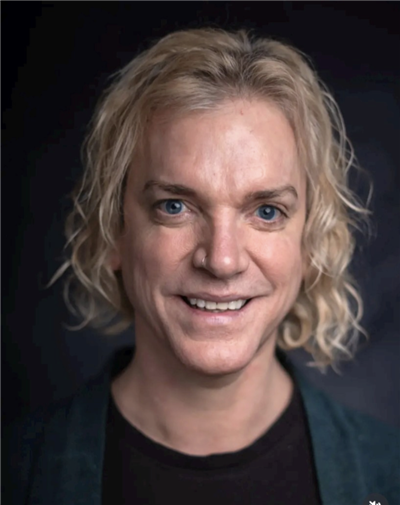
Shane Lammond Lynch
Co-Convenor
Shane is a Derby-based Dramatherapist who graduated from the University of Derby in 2025. They bring over 30 years of professional experience across theatre, health and social care, and have developed and delivered nationally funded workshops and therapeutic theatre projects.
Shane works as a Dramatherapist in schools, community and private settings, and as a Production Dramatherapist and Artist Wellbeing Practitioner across theatre and recorded media.
Alongside this, they maintain a strong professional practice as a drag folk storyteller, multidisciplinary psychophysical theatre maker, workshop facilitator and occasional guest lecturer. Their work brings together storytelling, folklore, performance and therapeutic practice, exploring questions of identity, belonging and the stories we tell about ourselves and one another.
Shane is dedicated to sustaining and strengthening the connection between Dramatherapy and performance arts, creating spaces where therapeutic practice, creativity and performance can inform and enrich one another.

Abigail Nelson
Member
Abigail is passionate about the intersection of performance arts, wellbeing and dramatherapy. She runs a private dramatherapy practice, regular arts and wellbeing workshops, and is an artist wellbeing practitioner (production dramatherapist). On the committee, she hopes to empower and promote the role of production dramatherapist by helping to create guidelines, undertaking research on wellbeing in the arts, and creating spaces for dramatherapists and arts professionals to connect and learn from each other.
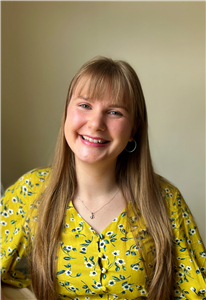
Ella Davis
Ella is a compassionate, curious practitioner who believes deeply in the power of the arts to support wellbeing. She provides Dramatherapy and creative health interventions across Leeds and Bradford, working in schools, adoption support services, community hubs and mental health settings.
With a background in Applied Theatre and Performance, Ella brings her experience as a performer, theatre maker and artist into her therapeutic work. She has worked across primary and secondary schools, specialist and mainstream education, psychiatric care, supported living services and diverse community settings.
Trained in the Sesame Approach and graduating in 2024, Ella’s practice is proudly trauma informed, neuro affirming and rooted in accessibility. Inclusion sits at the heart of her practice, informed by both her professional expertise and lived experience of disability and neurodivergence. Outside of work, Ella enjoys art making, singing, movement practices and the outdoors!
Join this committee
BADth members can apply to join. Log in to write a few lines about yourself and send your request to the committee.
Autobiographical Therapeutic Performance (NYU Steinhardt Theatre and Health Lab)
News and articles
Everything written for or about this committee, newest first: news, the E-News archive, The Prompt, CPD, the Journal.
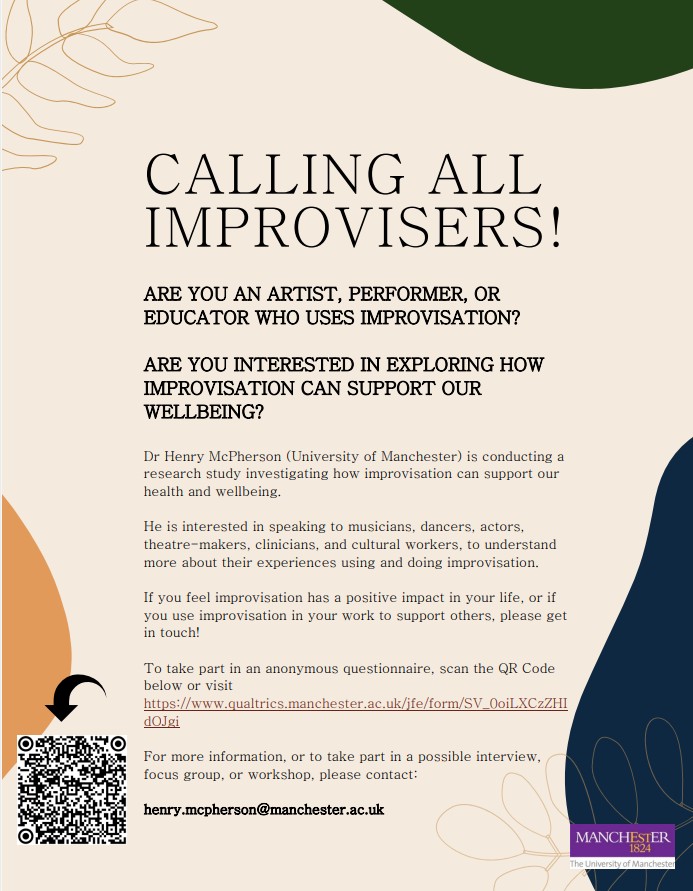 NewsCalling all improvisers: research on improvisation and wellbeingNewsThe Theatre and Performance Arts in Health Committee is now the Dramatherapy and Performance Arts Committee
 NewsCall for Submissions: Creative Health Research Round-Up 2026NewsFree LGBTQ+ Arts Group for older people with Saatchi Gallery (London) and Age UKJournalBook review: Storytelling in Participatory Arts with Young People: The Gaps in the Story
Some articles here are for BADth members. Log in to see them.
The Data tab is for BADth members.
The list of current jobs is for BADth members.
Employing a dramatherapist in theatre and the arts
For theatre companies, arts organisations, drama schools, creative health programmes and festivals taking on a dramatherapist: as the wellbeing practitioner for a company, as a therapist in a participatory arts programme, or as the clinical lead for creative health work. It draws on the sector’s own rates, Agenda for Change by the day for comparison, and the 17 arts-sector adverts on this site. The office will help with a job description, conditions of employment and advertising: contact the office.
Who you are employing
Dramatherapists come from the theatre, and many still work in it: as directors and facilitators of community and applied theatre, as the person a company brings in when a production touches trauma or a cast needs holding, as the therapist in a creative health programme commissioned by the NHS or a local authority, and as practitioners in the participatory arts. The line that matters is between arts practice, which anyone may do, and therapy, which is a regulated clinical activity: a dramatherapist can do both, and knows which is which. If your project offers therapy, or works with people in distress, the practitioner should be an HCPC-registered dramatherapist and the work should have the governance therapy needs.
What the arts advertise. Of the 17 arts-sector adverts on this site, most are project posts and fellowships from creative health bodies: the National Centre for Creative Health, the Culture, Health and Wellbeing Alliance, The Artist Wellbeing Company, Chance Arts and Suffolk Artlink. Eight gave no salary that could be set against a band, three were not on an NHS-type scale, and four were at Band 6 equivalent; most are fixed term or freelance. The needs named are trauma, foster care and SEND.
Artist wellbeing. Companies increasingly contract a wellbeing practitioner for a production, a tour or a drama school: someone who runs check-ins and debriefs, holds the room when the material is hard, and refers on. That is work a dramatherapist is made for, and it is therapy-adjacent: say in the contract what it is and is not, and who holds the duty of care.
Pay
Arts organisations pay by the day, the project or the session, usually on Arts Council or trust funding. Benchmark the day rate against Agenda for Change by the day: a Band 6 dramatherapist costs the NHS £177 to £213 a day in salary alone, and a freelance day rate has to add holiday, pension, insurance, supervision, admin and the days that do not sell, so a freelance dramatherapist’s day rate should be well above that figure (BADth’s guidelines for rates set it out). Equity and the Independent Theatre Council publish minimum rates for performers and creative practitioners; a therapist’s rate is not below a practitioner’s.
| Agenda for Change | A year | An hour | A day (7.5 hours) |
|---|---|---|---|
| Band 5 | £32,073 to £39,043 | £18.95 to £23.06 | £142 to £173 |
| Band 6 | £39,959 to £48,117 | £23.61 to £28.43 | £177 to £213 |
| Band 7 | £49,387 to £56,515 | £29.18 to £33.39 | £219 to £250 |
| Band 8a | £57,528 to £64,750 | £33.98 to £38.25 | £255 to £287 |
Agenda for Change England, Wales and Northern Ireland, 2026/27. The hour and the day are worked out on NHS terms: a 37.5-hour week, 27 days of annual leave and 8 bank holidays, about 1,693 hours a year. Set any other sector’s offer beside the hourly figure, because the year, the week and the leave all differ.
Project funding is fixed term: say so, and plan the ending. A company paying for artist wellbeing should pay for the therapist’s supervision too; it is part of the cost of doing the work safely.
The roles in theatre and the arts, with job descriptions, person specifications and job plans
Three of the six roles fit this sector; the shared template is reshaped for a company or an arts organisation rather than a clinical service. Open a role, press Copy text or Download for Word, and replace anything in [square brackets]. The career framework gives the level; the band is BADth’s guide, matched to the posts employers advertise.
Trainee Dramatherapist (student on placement in an arts organisation) — Unpaid placement, or Band 5 if a paid trainee post
A training post for someone studying for the Master's in Dramatherapy, who gains supervised clinical experience while completing the course.
- Pay: Unpaid placement, or Band 5 if a paid trainee post
- Career framework level: Qualifying as a dramatherapist
- Registration: Studying on an HCPC-approved, BADth-accredited Master's course. Not yet registered.
Arts organisations are role-emerging placements: the student needs a named dramatherapist supervisor (usually long-arm from the university), a named lead in the organisation, and a clear agreement about what is therapy and what is arts practice. Arts placements are outside NHS England’s placement tariff pilot unless the programme is NHS-commissioned.
Good news: placement funding is coming to dramatherapy in England. NHS England is running a Practice Education Placement Funding Pilot for small professions. As of October 2026 it includes art, drama and music therapy placements. BADth welcomes this as a significant and positive step for the profession.
Who it is for: NHS placement providers in England. As we understand it, the pilot covers NHS placements in England only, so it does not apply to placements in other settings or in Scotland, Wales or Northern Ireland.
Find out more: NHS England is holding a webinar, Practice Education Opportunities: Understanding the Placement Funding Pilot for Small Professions, on Wednesday 25 November 2026 from 12:30 to 13:30. It covers the purpose and funding arrangements of the pilot, the roles of providers, practice educators, supervisors, universities and learners, and how to set up or improve placements. The NHS England Small Professions Programme Team can send the registration link. NHS England has also asked for short case studies of good placement practice, up to 250 words, by 2 November 2026.
Job description
Job title: Trainee Dramatherapist (student on placement in an arts organisation) [add the service or specialism]
Rate: Unpaid placement, or Band 5 if a paid trainee post
Hours: [number] days over [the project], or [number] sessions a week
Reports to: [Named HCPC-registered dramatherapist acting as practice educator]
Base: [the company / the venue], and [tour and outreach venues]
Registration: Studying on an HCPC-approved, BADth-accredited Master's course. Not yet registered.
Job summary
A training post for someone studying for an HCPC-approved Master's in Dramatherapy at [university]. The post holder gains supervised clinical experience with [client group] at [service] while completing the course, working under [name], HCPC-registered dramatherapist, who acts as practice educator. The post holder does not hold sole clinical responsibility for any client.
Key responsibilities
- Work with [number] clients, individually and in groups, under the supervision of [name], HCPC-registered dramatherapist.
- Attend the placement for [days / hours] each week, as the university requires, and complete the placement hours the course sets.
- Assess, plan, deliver and review sessions with the dramatherapist, and write notes and reports as directed, countersigned by the dramatherapist.
- Take part in team and multidisciplinary meetings and liaise with colleagues, families and other services as directed.
Learning and supervision
- Attend weekly placement supervision and the course's own supervision, and prepare for them.
- Keep the learning log or portfolio the course requires and meet the course tutor and practice educator at the agreed points.
- Take part in the evaluation of the placement.
- Attend personal therapy as the course requires.
Professional practice
- Follow the HCPC's standards for students, the BADth code of ethics, and the organisation's policies on confidentiality, safeguarding, and health and safety.
- Raise concerns early, and work within the limits of a trainee.
What the employer provides
- A named practice educator with protected time for supervision.
- Release for university study days and assessments, and for personal therapy.
- A suitable room, materials, an induction and access to the records system.
In a company or an arts organisation
- Keep the distinction between arts practice and therapy clear in every session and every contract, and refer on where a participant needs more than the project offers.
- Hold the duty of care for participants and performers working with difficult material: consent, debriefing, referral routes and the organisation’s safeguarding policy.
- Work to the production or programme schedule (rehearsals, tours, festivals, evenings and weekends) and travel as the work requires.
- Contribute to evaluation and reporting for funders, and to the organisation’s wellbeing policy.
Working conditions
- Work with people who may be distressed, angry or unwell, and with emotionally difficult material.
- Set up rooms and carry equipment, which needs some physical effort.
- Work at [base], and travel to [other sites] where required.
Person specification
Person specification: Trainee Dramatherapist (student on placement in an arts organisation), Unpaid placement, or Band 5 if a paid trainee post
E = essential, D = desirable. How it is assessed: A = application form, I = interview, T = test or presentation, R = references and checks.
| Criteria | E / D | Assessed by |
|---|---|---|
| Qualifications and training | ||
| Accepted onto, or studying on, an HCPC-approved Master's in Dramatherapy | E | A, R |
| Degree, or equivalent experience as accepted by the course | E | A |
| Experience | ||
| Experience of working with [client group] | E | A, I |
| Experience of leading or supporting drama or other creative groups | E | A, I |
| Experience as a support worker or assistant in a health, education or social care setting | D | A, I |
| Knowledge and skills | ||
| Understanding of the course's placement requirements and of working within the limits of a trainee | E | I |
| Able to use supervision and to reflect on practice | E | I |
| Able to write clear, timely clinical notes | E | A, I |
| Understanding of confidentiality and safeguarding | E | I |
| Personal qualities and circumstances | ||
| Commitment to personal therapy as the course requires | E | I |
| Able to cope with emotionally difficult material and to look after own wellbeing | E | I |
| Satisfactory enhanced DBS check | E | R |
| In a company or an arts organisation | ||
| A background in theatre, performance or participatory arts, and understanding of how companies and productions work | E | A, I |
| Able to hold the boundary between arts practice and therapy, and to explain it to artists and funders | E | I |
| Experience of creative health, applied theatre or community arts programmes | D | A |
| Own insurance and clinical supervision (for freelance contracts) | E | A, R |
Job plan for a full-time post
What the Dramatherapy and Performance Arts committee thinks is a reasonable job plan for this role in its sector, in hours of a 15-hour week. Set by BADth (a first draft from the Data tab, for the committee to check) on 3 November 2026.
| Activity | Hours a week | Share |
|---|---|---|
| Client sessions (individual and group therapy) | 7.5 | 50% |
| Clinical notes, assessments, reports and referrals | 2.5 | 17% |
| Team and multidisciplinary meetings, liaison with families and other services | 2 | 13% |
| Receiving clinical supervision and reflective practice | 2 | 13% |
| Continuing professional development | 1 | 7% |
| Total | 15 | 100% |
Supervision
Arts organisations seldom have clinical supervision in house. Where the work is therapy, buy supervision from the BADth register; where it is participatory arts led by a dramatherapist, still provide reflective supervision for the emotional load.
A trainee on placement is supervised by a qualified dramatherapist on site and by their university. The Training committee publishes what the courses expect of a placement.
See BADth's Code of Practice, and the Supervision committee for the register of supervisors.
This committee's job plan allows 2 hours a week for receiving supervision in this role.
Health economics: making the case for this post
In arts and creative organisations the case is the creative health case: health gained and costs avoided through arts engagement, with a registered therapist where the work is clinical.
The need
- BADth has seen 17 adverts from 14 arts and creative health organisations since 2022, including the National Centre for Creative Health and the Culture, Health and Wellbeing Alliance; Band 6 is the most advertised band.
- Many arts organisations run participatory health programmes; a dramatherapist adds clinical assessment, risk management and supervision that community artists do not provide.
What this post costs
A trainee on placement is not paid by the service. The cost is the supervising dramatherapist’s time and a room; in England the placement tariff pays the provider for NHS placements.
What it saves or adds
- Creative health: the Arts Council of Wales study estimated that arts engagement brings at least £588 million a year in health and wellbeing benefits in Wales, and about £11 for each £1 invested in multi-year funded arts organisations. Avoiding 5% of adult mental health GP appointments through arts engagement would save about £17 million a year.
- Wellbeing valued: HM Treasury values a WELLBY at £13,000 (2019 prices).
- Guidance: the National Centre for Creative Health published guidelines on economic evaluation in creative health and a commissioning business case in September 2026.
- This role: A placement costs some supervision time but brings capacity, and it is the cheapest way to recruit: trainees often apply to the services that trained them.
How to show it
Use the NCCH guidelines. Measure with WEMWBS or ONS life satisfaction, attendance and retention, and where the work is clinical, CORE-10 or SDQ.
Sources
- The Dramatherapy and Performance Arts Data tab: the adverts BADth has seen and the official statistics it reads, with their dates
- Arts Council of Wales with Bangor and Edge Hill universities, the economic impact of the arts on health and healthcare in Wales (January 2026)
- National Centre for Creative Health, Guidelines on Economic Evaluation in Creative Health and Creative Health Commissioning: an economic business case (September 2026)
- HM Treasury, Green Book supplementary guidance: wellbeing
First drafted by BADth on 3 November 2026 from the Data tab and published sources, for the committee to check and change.
Examples and further reading
- Adverts in theatre and the arts on this site at this level:
- NCCH Research and Policy Manager, The National Centre for Creative Health (NCCH) (2026)
- Creative Health Lead for Suffolk and Norfolk, Suffolk Artlink (2025)
- Dramatherapist: Family Service, Dundee Rep and Scottish Dance Theatre Limited (2024)
- contact form
- Agenda for Change page: arts therapy profiles, example job descriptions and person specifications (BADth members)
Dramatherapist (creative health programme / company wellbeing practitioner) — Band 6 equivalent by the day, or a day rate
An early-stage practitioner who works autonomously within their scope of practice, manages a caseload, and consolidates their learning through clinical supervision and a structured preceptorship.
- Pay: Band 6: £39,959 - £48,117 a year, 2026/27, England, Wales and Northern Ireland. Scotland has its own scale: Band 6: £43,231 - £52,679 a year, 2026/27.
- Career framework level: Proficient / Foundation Practitioner
- Registration: HCPC-registered as a Dramatherapist (part of the Arts Therapist collective).
A dramatherapist on a creative health programme or a company’s wellbeing contract. If newly qualified, they need a clinical lead to consult (a senior therapist on the programme, or bought in) and supervision from the start, because an arts organisation has no clinical structure to catch them.
Preceptorship and support for a newly qualified dramatherapist
Preceptorship is a structured period of support for someone newly registered. It is not the same as induction, clinical supervision or probation. Read BADth’s page on preceptorship, the NHS England AHP Preceptorship Standards and Framework (PDF) and the HCPC’s Principles for Preceptorship (PDF), and say in the advert what the post offers.
Support from BADth: the Newly Qualified Therapists Network offers support to newly qualified dramatherapists, and the Mentoring Scheme matches a newly qualified member with an experienced dramatherapist for advice on employment. The Mentoring Scheme is not clinical supervision: the post still needs a clinical supervisor, as set out under “Supporting the post” on this page.
Job description
Job title: Dramatherapist (creative health programme / company wellbeing practitioner) [add the service or specialism]
Rate: Band 6 equivalent by the day, or a day rate
Hours: [number] days over [the project], or [number] sessions a week
Reports to: [Programme producer / company manager / creative director]; clinically to [external clinical supervisor]
Base: [the company / the venue], and [tour and outreach venues]
Registration: HCPC-registered as a Dramatherapist (part of the Arts Therapist collective).
Job summary
To provide dramatherapy assessment and treatment to [client group] at [service] as a newly qualified, HCPC-registered dramatherapist. The post holder works autonomously within their scope of practice, with regular clinical supervision and a structured preceptorship, and develops towards [Band 7 / the next level] as agreed.
Key responsibilities
- Assess clients for suitability for individual or group dramatherapy, and manage a designated caseload.
- Plan, deliver and review dramatherapy, using outcome and experience measures to show what changes.
- Keep clear, timely records and write reports as required.
- Work as part of the multidisciplinary team and contribute to care plans.
- Maintain HCPC registration and use supervision, preceptorship and continuing professional development.
Clinical practice
- Assess, formulate and agree goals with clients and carers, and apply the principles of consent.
- Deliver individual and group sessions, adapting to the setting, including online where the service needs it.
- Assess and manage risk, including signs of abuse, and follow safeguarding procedures.
- Communicate sensitive and complex information with empathy, including to people who may be distressed or hostile.
- Refer on, and plan discharge or ending, with clients and the team.
Working with others
- Share information concisely and accurately across the team, and give a dramatherapy perspective in meetings, reviews and care planning.
- Offer consultation to colleagues, and liaise with families, schools, community and voluntary services as the post needs.
Learning and development
- Take part in a preceptorship programme and receive regular clinical supervision.
- Keep a continuing professional development plan and evaluate own practice.
- Support students on placement where asked, under the guidance of a more senior dramatherapist.
Audit, evaluation and improvement
- Take part in audit, service evaluation and quality improvement.
- Keep up to date with the evidence base, HCPC and professional body guidance.
In a company or an arts organisation
- Keep the distinction between arts practice and therapy clear in every session and every contract, and refer on where a participant needs more than the project offers.
- Hold the duty of care for participants and performers working with difficult material: consent, debriefing, referral routes and the organisation’s safeguarding policy.
- Work to the production or programme schedule (rehearsals, tours, festivals, evenings and weekends) and travel as the work requires.
- Contribute to evaluation and reporting for funders, and to the organisation’s wellbeing policy.
Working conditions
- Work with emotionally charged and sometimes traumatic clinical material, and sustain intense concentration in sessions.
- Set up rooms, move furniture and carry equipment where a dedicated therapy room is not available.
- Work at [base], and travel to [other sites] where required.
Standard statements
- Add your organisation's standard statements here: health and safety, equal opportunities, safeguarding, confidentiality and data protection, infection control, and the note that this job description is a guide to the main duties and may change.
Person specification
Person specification: Dramatherapist (creative health programme / company wellbeing practitioner), Band 6 equivalent by the day, or a day rate
E = essential, D = desirable. How it is assessed: A = application form, I = interview, T = test or presentation, R = references and checks.
| Criteria | E / D | Assessed by |
|---|---|---|
| Qualifications and registration | ||
| Master's degree in Dramatherapy approved by the HCPC | E | A, R |
| Registered with the HCPC as a Dramatherapist (part of the Arts Therapist collective), or registered before the start date | E | A, R |
| Membership of BADth | D | A |
| Further training relevant to [client group] | D | A |
| Experience | ||
| Supervised clinical experience with [client group], for example from placements | E | A, I |
| Experience of group and individual work | E | A, I |
| Experience in [setting] before or after training | D | A, I |
| Experience of working in a multidisciplinary team | D | I |
| Knowledge and skills | ||
| Able to assess, formulate and plan treatment | E | I |
| Skills in individual and group dramatherapy | E | I, T |
| Able to assess and manage risk | E | I |
| Understanding of confidentiality, consent and safeguarding | E | I |
| Able to keep records and write reports | E | A, I |
| Able to use supervision and reflect on practice | E | I |
| Knowledge of outcome measures and service evaluation | D | I |
| Personal qualities and circumstances | ||
| Able to work independently within the limits of the role and as part of a team | E | I |
| Resilience and the ability to look after own wellbeing | E | I |
| Satisfactory enhanced DBS check | E | R |
| Able to travel between sites [delete if not needed] | D | I |
| In a company or an arts organisation | ||
| A background in theatre, performance or participatory arts, and understanding of how companies and productions work | E | A, I |
| Able to hold the boundary between arts practice and therapy, and to explain it to artists and funders | E | I |
| Experience of creative health, applied theatre or community arts programmes | D | A |
| Own insurance and clinical supervision (for freelance contracts) | E | A, R |
Job plan for a full-time post
What the Dramatherapy and Performance Arts committee thinks is a reasonable job plan for this role in its sector, in hours of a 37.5-hour week. Set by BADth (a first draft from the Data tab, for the committee to check) on 3 November 2026.
| Activity | Hours a week | Share |
|---|---|---|
| Client sessions (individual and group therapy) | 16 | 43% |
| Clinical notes, assessments, reports and referrals | 7 | 19% |
| Team and multidisciplinary meetings, liaison with families and other services | 6.5 | 17% |
| Receiving clinical supervision and reflective practice | 2.5 | 7% |
| Teaching and training others | 0.5 | 1% |
| Audit, evaluation and quality improvement | 1 | 3% |
| Continuing professional development | 2 | 5% |
| Devising, rehearsal and performance work | 2 | 5% |
| Total | 37.5 | 100% |
Supervision
Arts organisations seldom have clinical supervision in house. Where the work is therapy, buy supervision from the BADth register; where it is participatory arts led by a dramatherapist, still provide reflective supervision for the emotional load.
Every practising dramatherapist needs regular clinical supervision from a suitably experienced supervisor. A newly qualified dramatherapist needs more of it, alongside a preceptorship. Put the supervision in the job plan as paid time, and agree who pays the supervisor if they are external.
See BADth's Code of Practice, and the Supervision committee for the register of supervisors.
This committee's job plan allows 2.5 hours a week for receiving supervision in this role.
Health economics: making the case for this post
In arts and creative organisations the case is the creative health case: health gained and costs avoided through arts engagement, with a registered therapist where the work is clinical.
The need
- BADth has seen 17 adverts from 14 arts and creative health organisations since 2022, including the National Centre for Creative Health and the Culture, Health and Wellbeing Alliance; Band 6 is the most advertised band.
- Many arts organisations run participatory health programmes; a dramatherapist adds clinical assessment, risk management and supervision that community artists do not provide.
What this post costs
Band 6: £39,959 - £48,117 a year, 2026/27, England, Wales and Northern Ireland. Scotland has its own scale: Band 6: £43,231 - £52,679 a year, 2026/27.
On the middle of Band 6 and this job plan’s 16 client hours a week over 42 working weeks, the salary cost of a client hour is about £66. Add employer on-costs (National Insurance and pension) and overheads for the full cost: PSSRU publishes full unit costs for each band.
What it saves or adds
- Creative health: the Arts Council of Wales study estimated that arts engagement brings at least £588 million a year in health and wellbeing benefits in Wales, and about £11 for each £1 invested in multi-year funded arts organisations. Avoiding 5% of adult mental health GP appointments through arts engagement would save about £17 million a year.
- Wellbeing valued: HM Treasury values a WELLBY at £13,000 (2019 prices).
- Guidance: the National Centre for Creative Health published guidelines on economic evaluation in creative health and a commissioning business case in September 2026.
- This role: The core clinical post: the most hours of therapy for each pound spent, with a preceptorship to build the caseload safely.
How to show it
Use the NCCH guidelines. Measure with WEMWBS or ONS life satisfaction, attendance and retention, and where the work is clinical, CORE-10 or SDQ.
Sources
- The Dramatherapy and Performance Arts Data tab: the adverts BADth has seen and the official statistics it reads, with their dates
- Arts Council of Wales with Bangor and Edge Hill universities, the economic impact of the arts on health and healthcare in Wales (January 2026)
- National Centre for Creative Health, Guidelines on Economic Evaluation in Creative Health and Creative Health Commissioning: an economic business case (September 2026)
- HM Treasury, Green Book supplementary guidance: wellbeing
First drafted by BADth on 3 November 2026 from the Data tab and published sources, for the committee to check and change.
Examples and further reading
- Adverts in theatre and the arts on this site at this level:
- NCCH Research and Policy Manager, The National Centre for Creative Health (NCCH) (2026)
- Dramatherapist: Family Service, Dundee Rep and Scottish Dance Theatre Limited (2024)
- Creative Health Associates Programme (Programme Manager), National Centre for Creative Health (2023)
- NHS England: AHP Preceptorship Standards and Framework
- HCPC: Principles for Preceptorship
- Agenda for Change page: arts therapy profiles, example job descriptions and person specifications (BADth members)
Senior Dramatherapist / Clinical Lead for Creative Health — Band 7 equivalent by the day, or a day rate
A highly skilled practitioner in a senior role, who works with complex presentations and supervises and supports less experienced staff, including assistants, newly qualified dramatherapists and trainees on placement.
- Pay: Band 7: £49,387 - £56,515 a year, 2026/27, England, Wales and Northern Ireland. Scotland has its own scale: Band 7: £52,845 - £61,466 a year, 2026/27.
- Career framework level: Enhanced Practitioner
- Registration: HCPC-registered as a Dramatherapist (part of the Arts Therapist collective).
The therapist who holds the clinical side of a creative health programme or a company’s wellbeing work: the boundary between art and therapy, referral routes, safeguarding, the supervision of practitioners and students, and the evaluation funders want. Where they supervise other dramatherapists they should be on the BADth Supervisors Register.
Job description
Job title: Senior Dramatherapist / Clinical Lead for Creative Health [add the service or specialism]
Rate: Band 7 equivalent by the day, or a day rate
Hours: [number] days a week, [fixed term to [date]]
Reports to: [Artistic director / programme director]
Base: [the company / the venue], and [tour and outreach venues]
Registration: HCPC-registered as a Dramatherapist (part of the Arts Therapist collective).
Job summary
To provide a specialist dramatherapy service to [client group] at [service], and to supervise and support less experienced staff, including assistants, newly qualified dramatherapists and trainees on placement. The post holder takes a lead in local service development, audit and teaching. [State the proportion of the role that is direct clinical care.]
Key responsibilities
- Plan, provide and develop specialist dramatherapy, including assessment, treatment and evaluation of individual and group work.
- Provide clinical supervision to [assistants / newly qualified dramatherapists / trainees], and manage placements for trainees.
- Take a lead in audit, quality improvement and service evaluation, and take part in research.
- Provide teaching and training to colleagues, service users and carers.
- Take a designated role in local service leadership and development, including partnership working.
- Maintain HCPC registration and own continuing professional development.
Clinical practice
- Assess and treat clients with complex needs and higher risk, working autonomously and using specialist skills.
- Contribute specialist knowledge to care plans through meetings, reports and panels, and communicate complex information to clients, families and other professionals.
- Use outcome and experience measures to show effectiveness, and report on them.
- Give second opinions and consultation to colleagues, and facilitate reflective practice for the wider team where asked.
Supervision and management
- Provide clinical supervision to less experienced staff and students, and help them move between levels of practice.
- [Provide line management, appraisal and induction for junior staff.]
- Contribute to recruitment and the induction of new staff and trainees.
- Delegate work appropriately and review it.
Teaching and training
- Teach and train multidisciplinary staff, service users and carers, and contribute to courses where asked.
Service development, audit and research
- Lead local audit and service evaluation, and quality improvement projects.
- Contribute to business cases, pathways and service redesign, and to partnership working with other organisations.
- Identify resource needs and pressures, and manage therapeutic resources for the daily needs of the service.
In a company or an arts organisation
- Keep the distinction between arts practice and therapy clear in every session and every contract, and refer on where a participant needs more than the project offers.
- Hold the duty of care for participants and performers working with difficult material: consent, debriefing, referral routes and the organisation’s safeguarding policy.
- Work to the production or programme schedule (rehearsals, tours, festivals, evenings and weekends) and travel as the work requires.
- Contribute to evaluation and reporting for funders, and to the organisation’s wellbeing policy.
Working conditions
- Work with emotionally charged and often traumatic material, and contain it with the support of supervision and the team.
- [Manage the risk of verbal aggression and, rarely, physical aggression, in line with the organisation's training.]
- Set up rooms and carry equipment where a dedicated therapy room is not available.
Standard statements
- Add your organisation's standard statements here: health and safety, equal opportunities, safeguarding, confidentiality and data protection, infection control, and the note that this job description is a guide to the main duties and may change.
Person specification
Person specification: Senior Dramatherapist / Clinical Lead for Creative Health, Band 7 equivalent by the day, or a day rate
E = essential, D = desirable. How it is assessed: A = application form, I = interview, T = test or presentation, R = references and checks.
| Criteria | E / D | Assessed by |
|---|---|---|
| Qualifications and registration | ||
| Master's degree in Dramatherapy approved by the HCPC | E | A, R |
| Registered with the HCPC as a Dramatherapist (part of the Arts Therapist collective) | E | A, R |
| Training in clinical supervision | E | A |
| Membership of BADth | D | A |
| Further training in an area of psychological practice relevant to [client group] | D | A |
| Experience | ||
| [Number] years' post-qualification experience working with [client group], in group and individual work | E | A, I |
| Experience of working with complex presentations and managing risk | E | A, I |
| Experience of clinical supervision of a trainee or less experienced therapist | E | A, I |
| Experience of audit, service evaluation or research | E | A, I |
| Experience of teaching or training a variety of audiences | D | I |
| Experience of line management of junior staff | D | I |
| Experience of facilitating reflective practice for other disciplines | D | I |
| Experience of project management and evaluation to support service development | D | I |
| Knowledge and skills | ||
| Advanced skills in assessment, formulation and treatment | E | I, T |
| Able to supervise, support and develop others | E | I |
| Able to communicate complex and sensitive information clearly | E | I |
| Able to assess and manage risk and exposure to distress and aggression | E | I |
| Good organisation and time management | E | A, I |
| Knowledge of outcome measures and service evaluation methods | D | I |
| Personal qualities and circumstances | ||
| Acts as a role model and works well independently and in a team | E | I, R |
| Able to contain emotionally charged material and to look after own wellbeing | E | I |
| Satisfactory enhanced DBS check | E | R |
| In a company or an arts organisation | ||
| A background in theatre, performance or participatory arts, and understanding of how companies and productions work | E | A, I |
| Able to hold the boundary between arts practice and therapy, and to explain it to artists and funders | E | I |
| Experience of creative health, applied theatre or community arts programmes | D | A |
| Own insurance and clinical supervision (for freelance contracts) | E | A, R |
Job plan for a full-time post
What the Dramatherapy and Performance Arts committee thinks is a reasonable job plan for this role in its sector, in hours of a 37.5-hour week. Set by BADth (a first draft from the Data tab, for the committee to check) on 3 November 2026.
| Activity | Hours a week | Share |
|---|---|---|
| Client sessions (individual and group therapy) | 14 | 37% |
| Clinical notes, assessments, reports and referrals | 6 | 16% |
| Team and multidisciplinary meetings, liaison with families and other services | 5 | 13% |
| Receiving clinical supervision and reflective practice | 2 | 5% |
| Providing supervision (to assistants, therapists, trainees) | 3 | 8% |
| Teaching and training others | 1.5 | 4% |
| Management, leadership and service development | 1.5 | 4% |
| Audit, evaluation and quality improvement | 1.5 | 4% |
| Continuing professional development | 1 | 3% |
| Devising, rehearsal and performance work | 2 | 5% |
| Total | 37.5 | 100% |
Supervision
Arts organisations seldom have clinical supervision in house. Where the work is therapy, buy supervision from the BADth register; where it is participatory arts led by a dramatherapist, still provide reflective supervision for the emotional load.
Every practising dramatherapist needs regular clinical supervision from a suitably experienced supervisor. Put it in the job plan as paid time, and agree who pays the supervisor if they are external. At this level the post holder may also supervise others, so allow time for that too.
See BADth's Code of Practice, and the Supervision committee for the register of supervisors.
This committee's job plan allows 2 hours a week for receiving supervision in this role.
Health economics: making the case for this post
In arts and creative organisations the case is the creative health case: health gained and costs avoided through arts engagement, with a registered therapist where the work is clinical.
The need
- BADth has seen 17 adverts from 14 arts and creative health organisations since 2022, including the National Centre for Creative Health and the Culture, Health and Wellbeing Alliance; Band 6 is the most advertised band.
- Many arts organisations run participatory health programmes; a dramatherapist adds clinical assessment, risk management and supervision that community artists do not provide.
What this post costs
Band 7: £49,387 - £56,515 a year, 2026/27, England, Wales and Northern Ireland. Scotland has its own scale: Band 7: £52,845 - £61,466 a year, 2026/27.
On the middle of Band 7 and this job plan’s 14 client hours a week over 42 working weeks, the salary cost of a client hour is about £90. Add employer on-costs (National Insurance and pension) and overheads for the full cost: PSSRU publishes full unit costs for each band.
What it saves or adds
- Creative health: the Arts Council of Wales study estimated that arts engagement brings at least £588 million a year in health and wellbeing benefits in Wales, and about £11 for each £1 invested in multi-year funded arts organisations. Avoiding 5% of adult mental health GP appointments through arts engagement would save about £17 million a year.
- Wellbeing valued: HM Treasury values a WELLBY at £13,000 (2019 prices).
- Guidance: the National Centre for Creative Health published guidelines on economic evaluation in creative health and a commissioning business case in September 2026.
- This role: Carries the complex cases that would otherwise go to more expensive services, and supervises others, which multiplies what the service can do.
How to show it
Use the NCCH guidelines. Measure with WEMWBS or ONS life satisfaction, attendance and retention, and where the work is clinical, CORE-10 or SDQ.
Sources
- The Dramatherapy and Performance Arts Data tab: the adverts BADth has seen and the official statistics it reads, with their dates
- Arts Council of Wales with Bangor and Edge Hill universities, the economic impact of the arts on health and healthcare in Wales (January 2026)
- National Centre for Creative Health, Guidelines on Economic Evaluation in Creative Health and Creative Health Commissioning: an economic business case (September 2026)
- HM Treasury, Green Book supplementary guidance: wellbeing
First drafted by BADth on 3 November 2026 from the Data tab and published sources, for the committee to check and change.
Examples and further reading
- Adverts in theatre and the arts on this site at this level:
- Creative Therapist, Chichester Festival Theatre (2022)
- Real job description: East London NHS Foundation Trust, Band 7 Senior Arts Therapist (PDF)
- Agenda for Change page: arts therapy profiles, example job descriptions and person specifications (BADth members)
The space
A rehearsal studio is not a therapy room: it is shared, interruptible and public. Therapy or wellbeing work in a company needs a separate space that is private and consistent, even if small, with somewhere to keep props and notes. On tour, agree a room at each venue before the tour starts. Festivals and outreach need the same thought as any community venue: a door that closes, a plan for crises, somewhere to store kit.
Equipment and ordering
A dramatherapist in a company brings most of their own kit; a programme should budget props, materials, a laptop and phone the organisation controls, and the cost of venues and travel. Companies have workshops and wardrobe: agree what the therapist may use and what stays with the production.
Supporting the post
Clinical supervision from a supervisor on the BADth Supervisors Register. An arts organisation has no clinical governance; the supervisor is the clinical structure, and the organisation should pay for it as part of the contract. Say in the advert that the post includes it, and give the therapist the paid time and the budget for it. Use Check the supervision register to confirm a named supervisor and Find a supervisor to look for one.
A named lead in the organisation for safeguarding and the schedule. A written agreement about what is therapy, who it is for, confidentiality and referral. Insurance that covers psychological work. Time for notes and reflection in the schedule. BADth’s Dramatherapy and Performance Arts committee advises companies and programmes.
The Funding tab is for BADth members.
Who is on this committee
- Olga Kaleta
- Shane Lammond Lynch
- Abigail Nelson
- Ella Davis
More about each of them, under About us.
Get in touch
Everyone on the committee sees a message sent to the committee. Choose the convenor, Shane Lammond-Lynch, for something better said to one person first.