
Dramatherapy is a creative embodied form of therapy. Some dramatherapy sessions might look similar to a talk therapy session, others might look very different. A dramatherapist has a broad toolkit and is trained in how to apply those tools and approaches to help bring healing and support personal growth.
What underpins our work
Every dramatherapist is trained in an art form and in the knowledge that makes it safe to use as therapy. The ways of working below rest on a shared foundation. In simple form, this is what all dramatherapists learn, drawn from the HCPC Standards of Proficiency for arts therapists, which every registered dramatherapist must meet.
Human development
How people grow, attach and change across a lifetime, from infancy to old age: attachment, play in childhood, and models such as Erikson’s stages of psychosocial development.
Psychology and psychotherapy
The main psychological and psychotherapeutic theories, how they understand distress, and the thinking behind the interventions that come from them.
The therapeutic relationship
Building and keeping a safe, creative and containing relationship, with individuals and with groups, and understanding its limits. Much of the change in therapy happens here.
Drama, play and the body
Creativity, play, movement and dramatic representation; the symbolic power of story, role, ritual and performance; and the theatre practitioners whose ideas shaped the work.
Trauma-informed practice
Understanding how trauma affects the body, memory and relationships, so that sessions offer safety, choice and pacing. It is not named in the HCPC standards, but it runs through how dramatherapists work today.
Culture, safety and inclusion
How culture, identity and inequality shape health and practice; safeguarding; and working ethically, in a non-discriminatory and inclusive way.
Dramatherapists also learn to read and use research, and keep learning through supervision and continuing professional development.
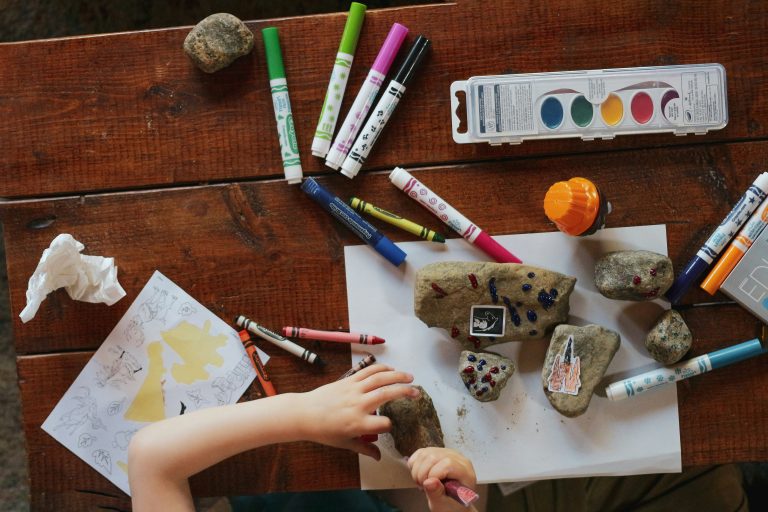 Art Making
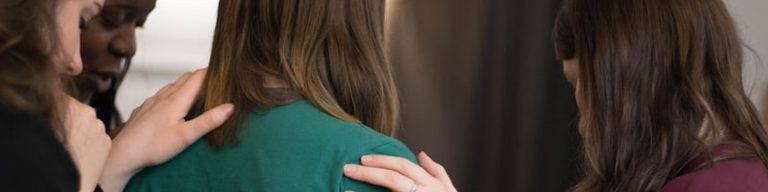 Attachment and Mirroring
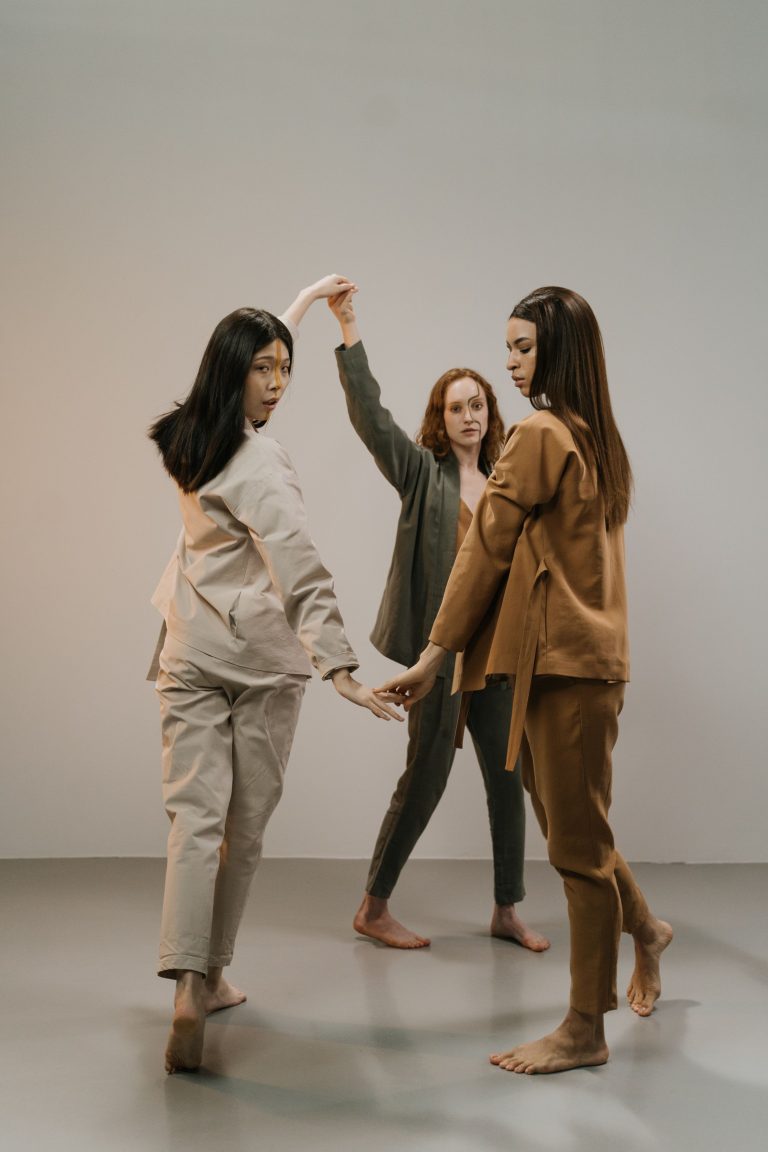 Body Work
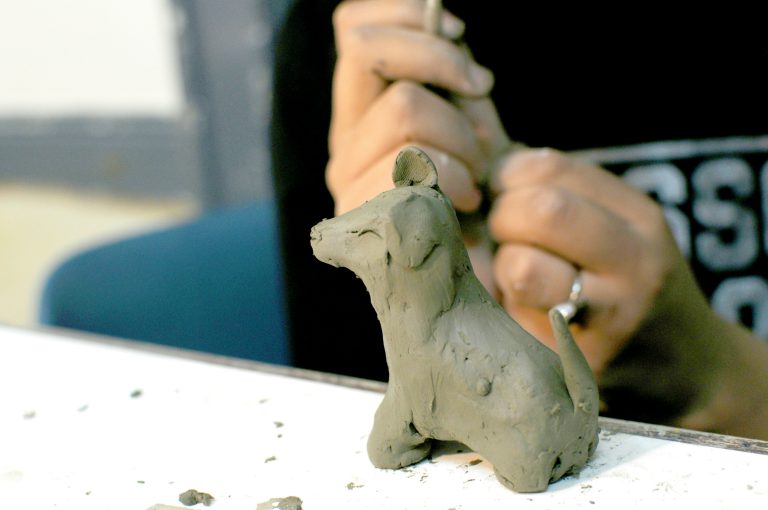 Clay
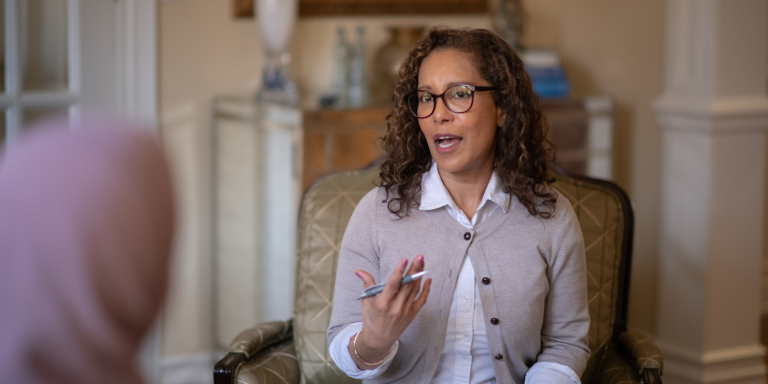 Client Centred
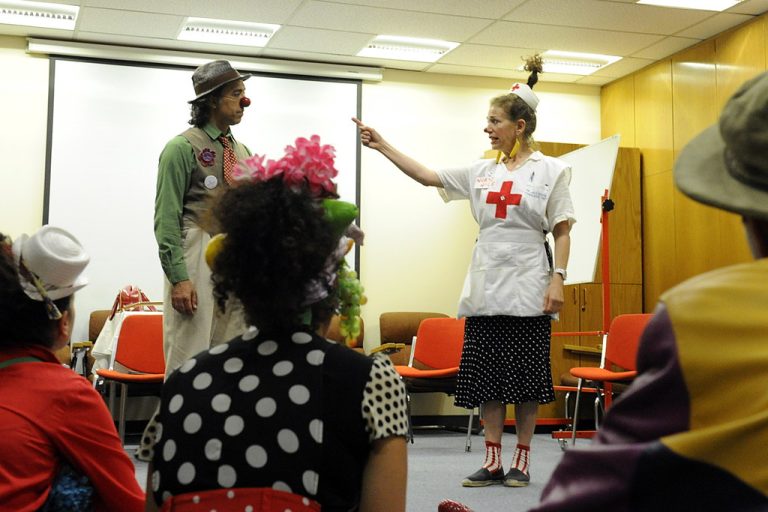 Clowning
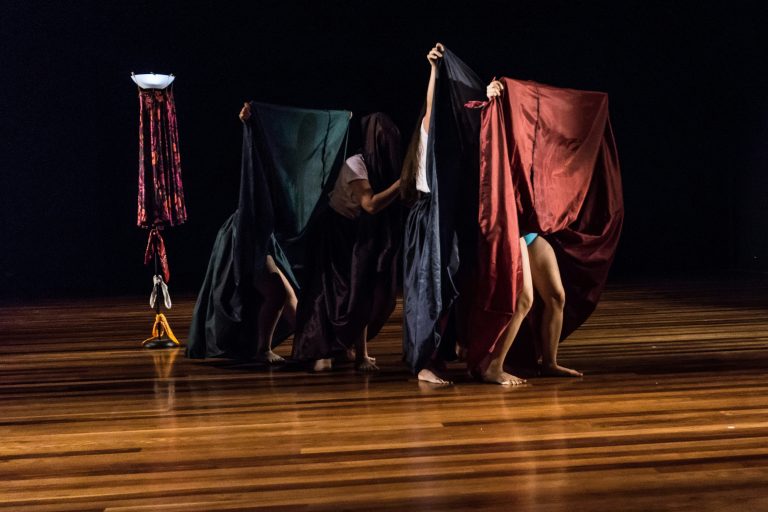 Co-Active Therapeutic Theatre
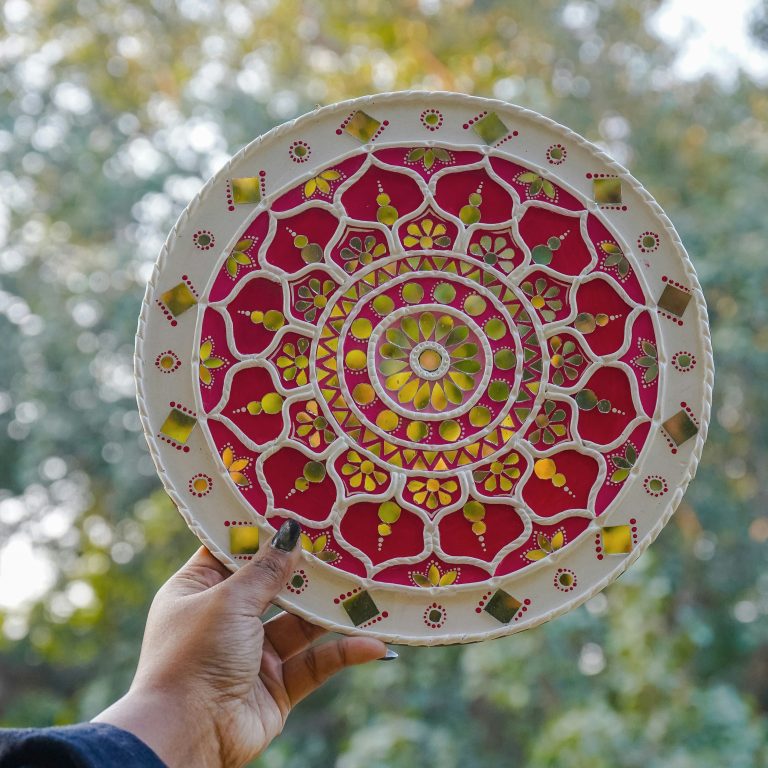 Collages
- Communicate and Communiwell
- Couples Work
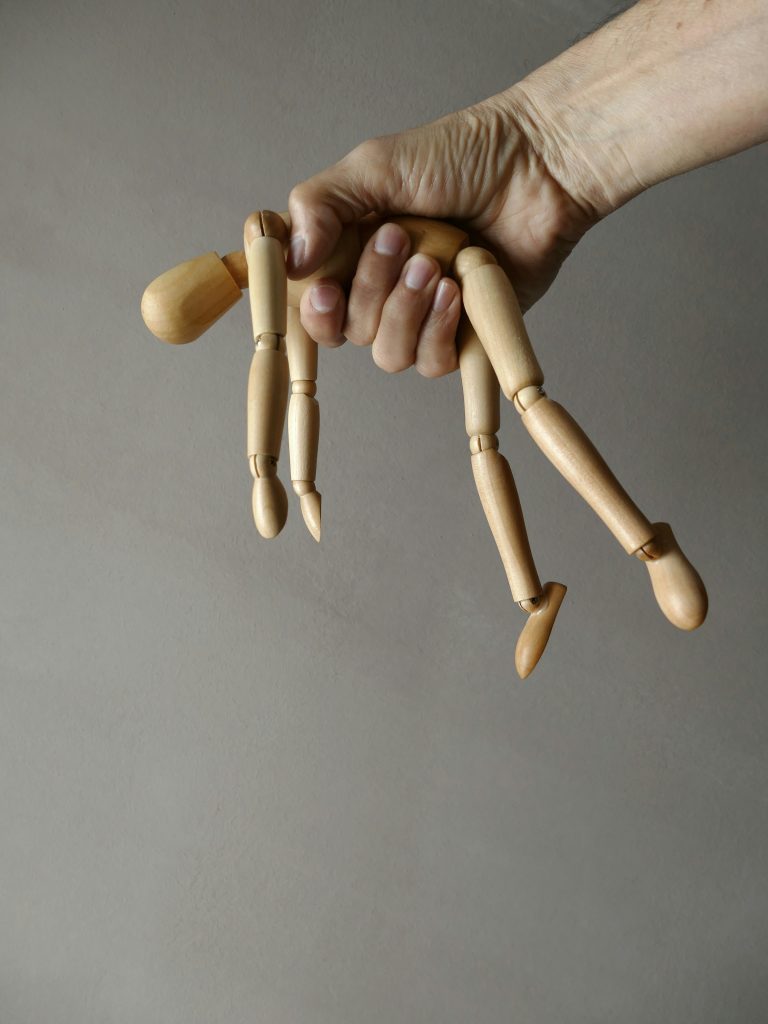 Craft
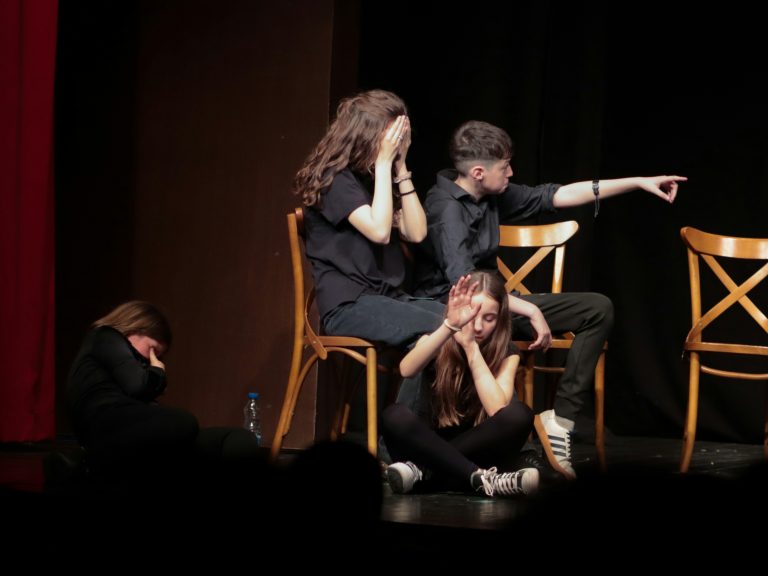 Creating Theatre
 Creative Writing
 Developmental Transformations (DvT)
6 practice groups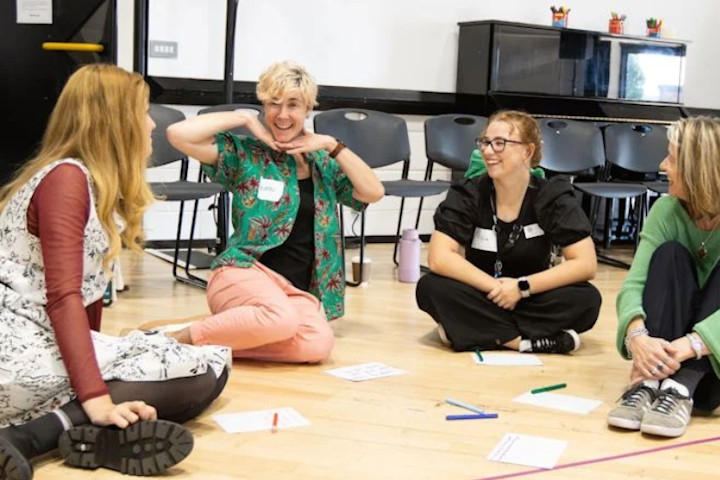 Drama Games
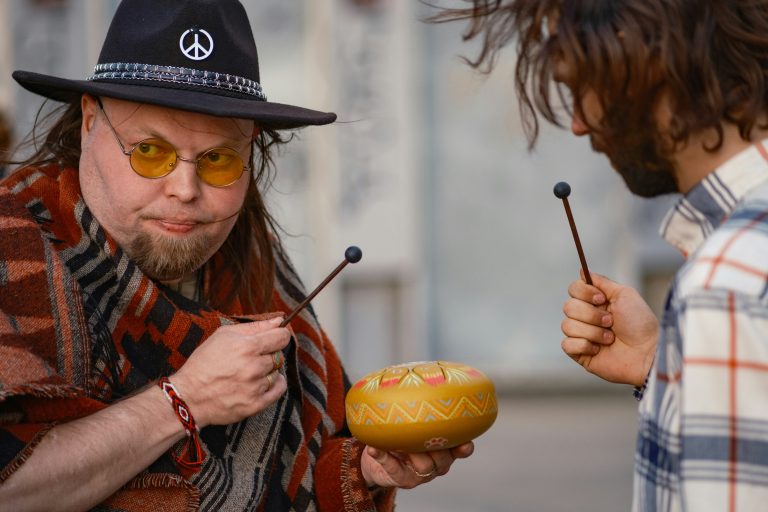 Drumming
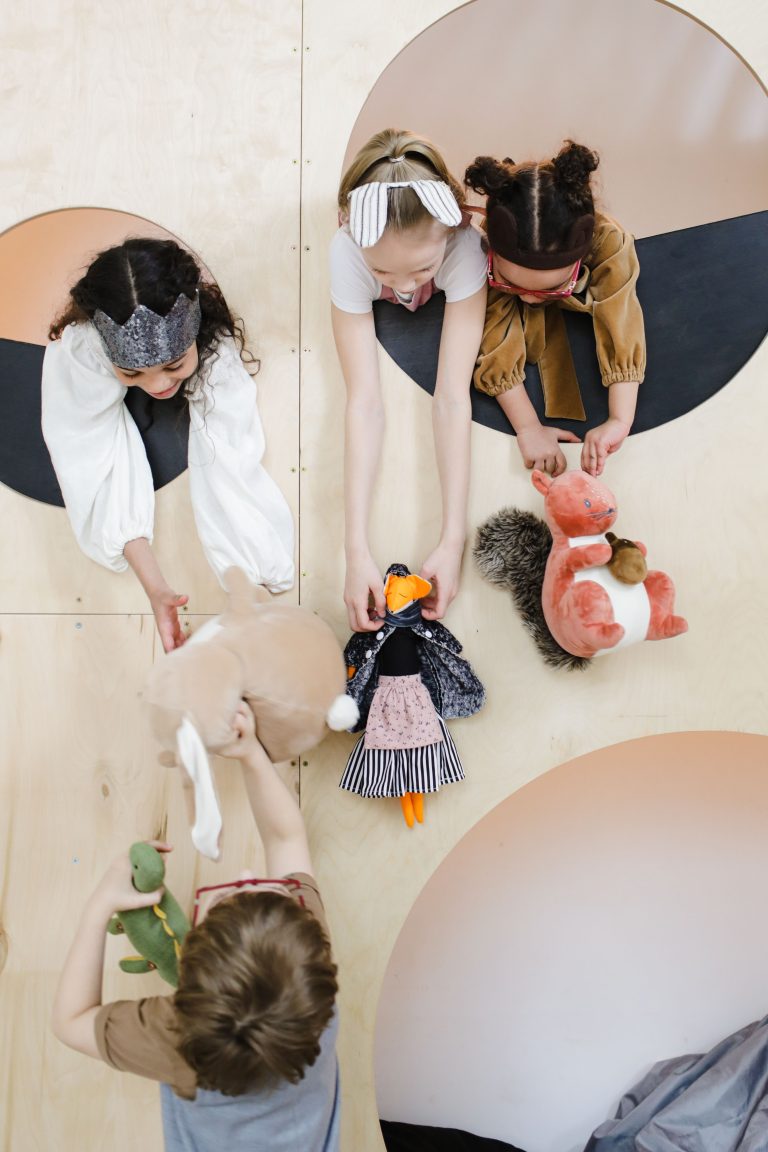 Embodiment, Projection, Role (EPR)
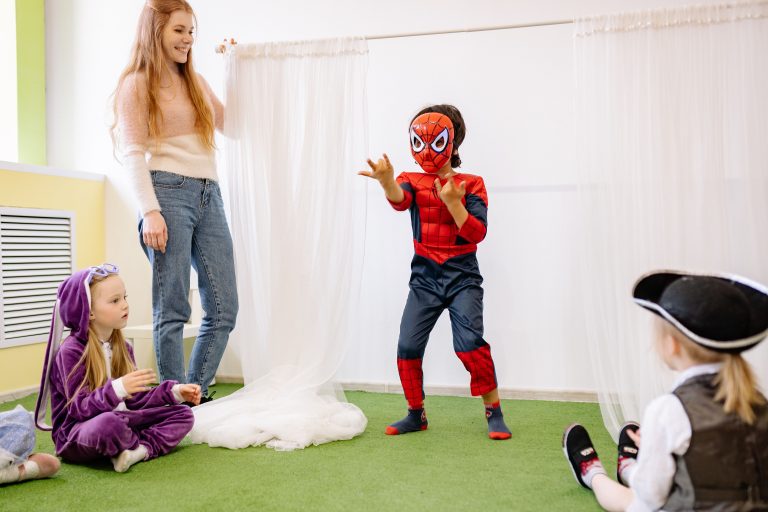 Enactment
 Environmental Arts Therapy
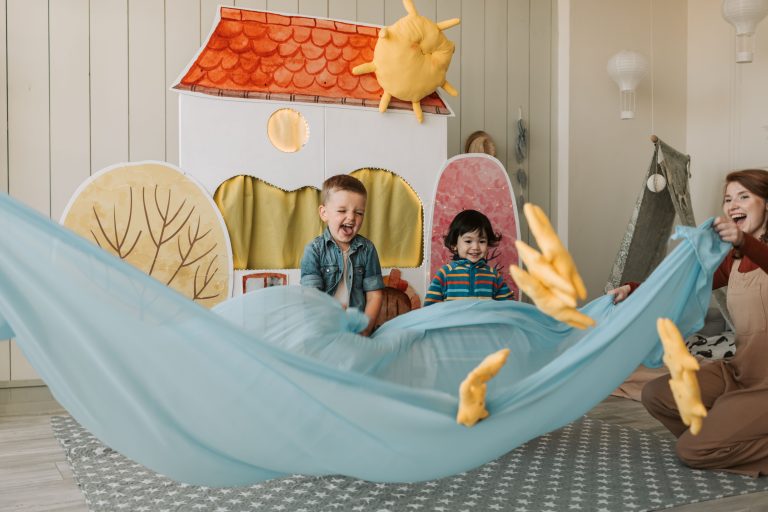 Fairytale
- Family Therapy
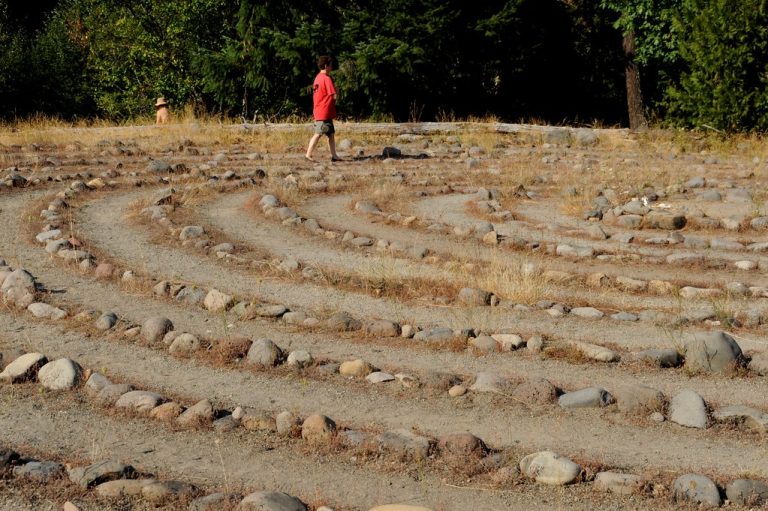 Five Phase Model
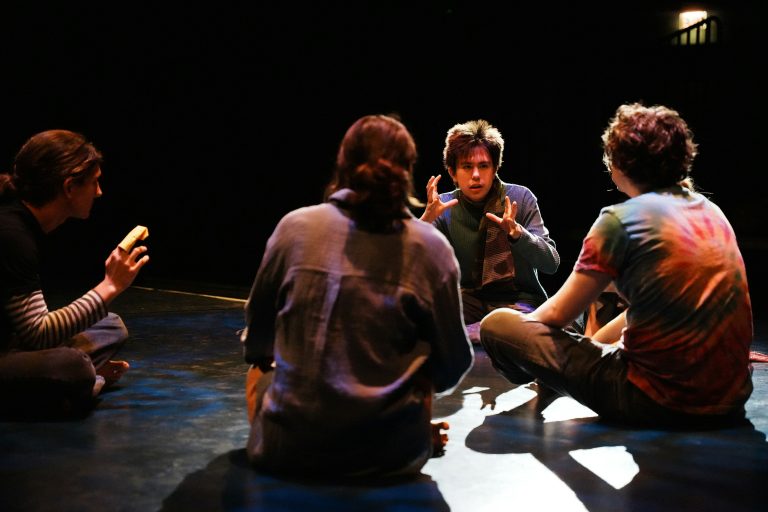 Forum Theatre
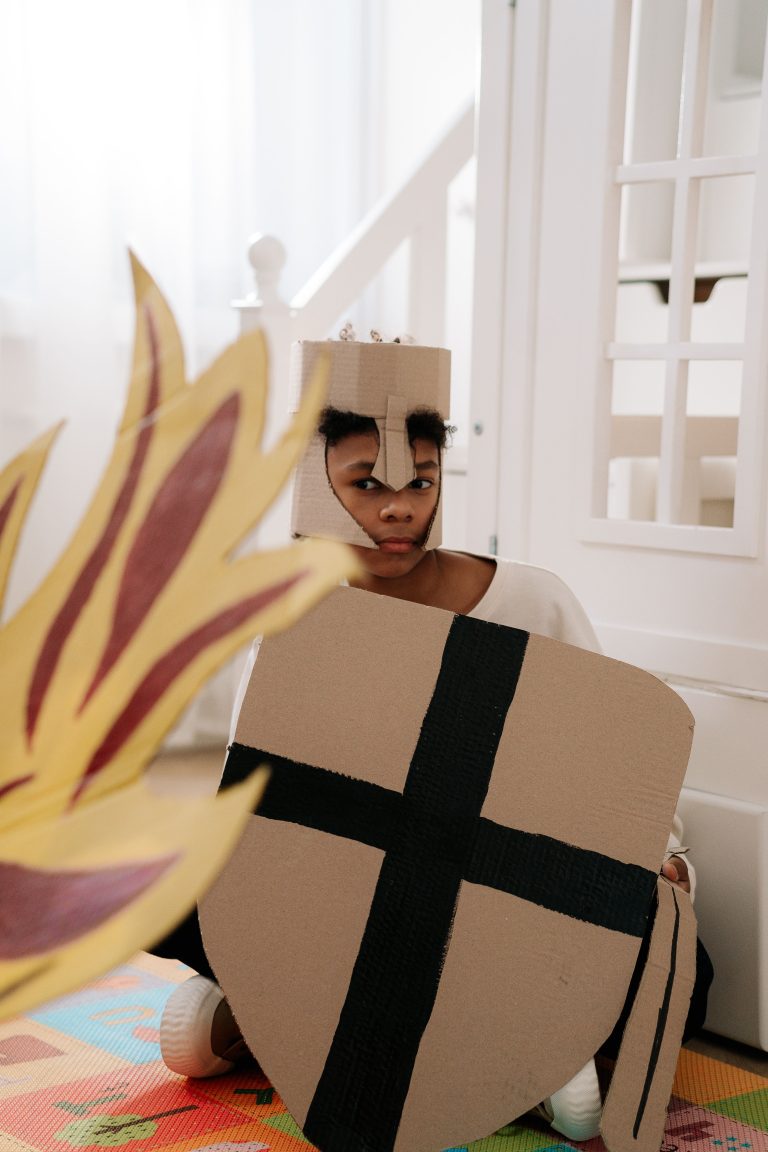 Hero's Journey
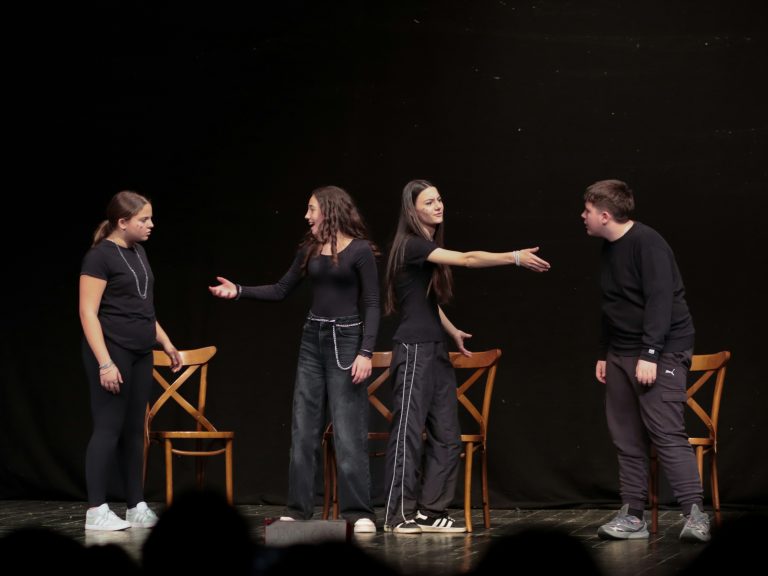 Improvisation
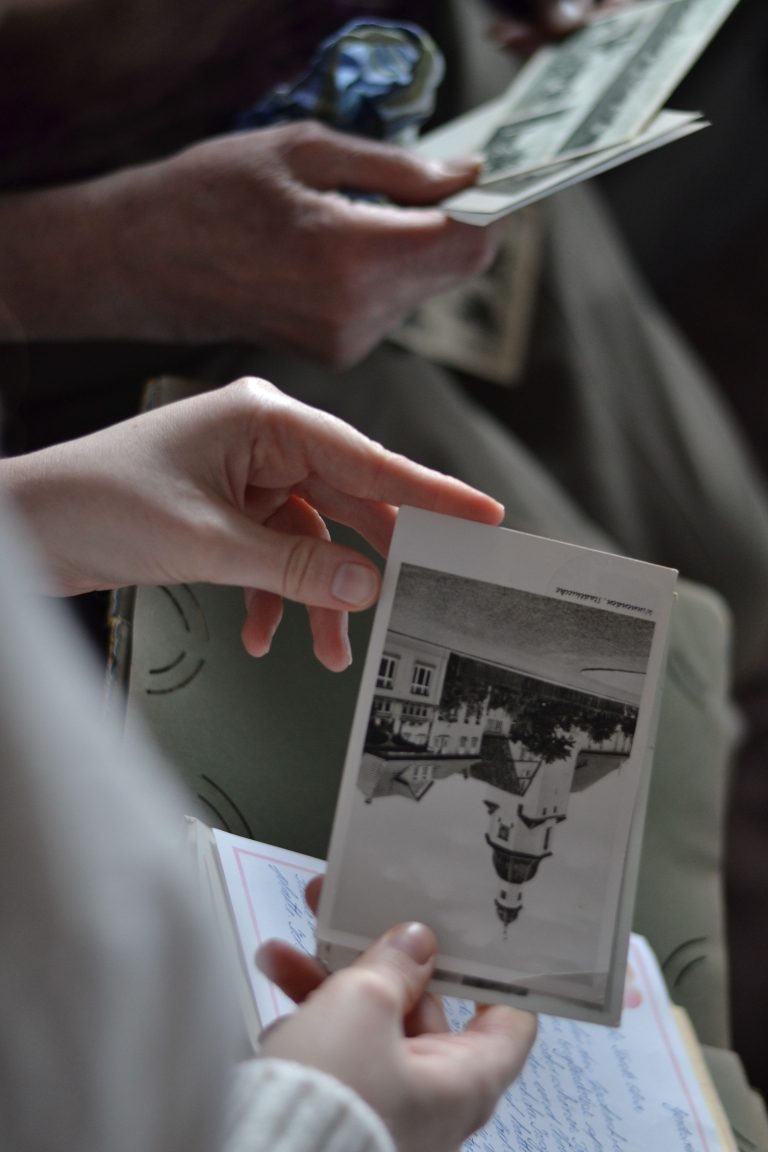 Life Story Work
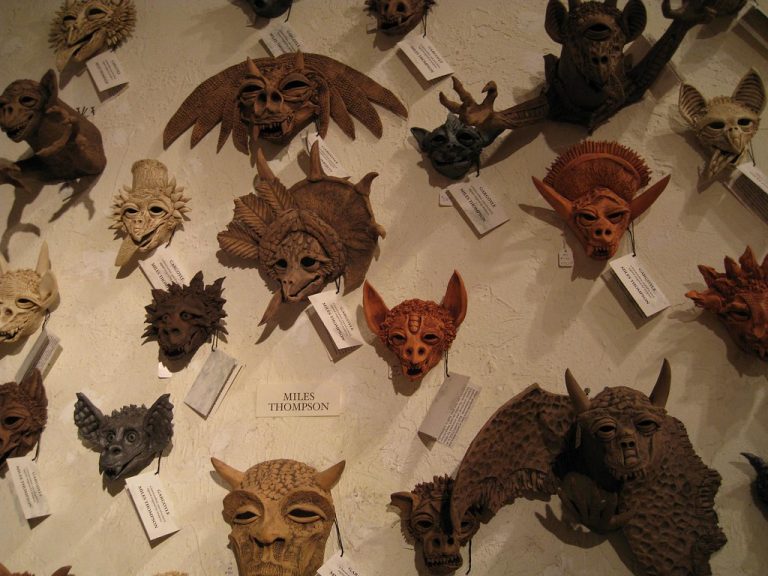
 Mask Work
 Meditation
 Metaphor
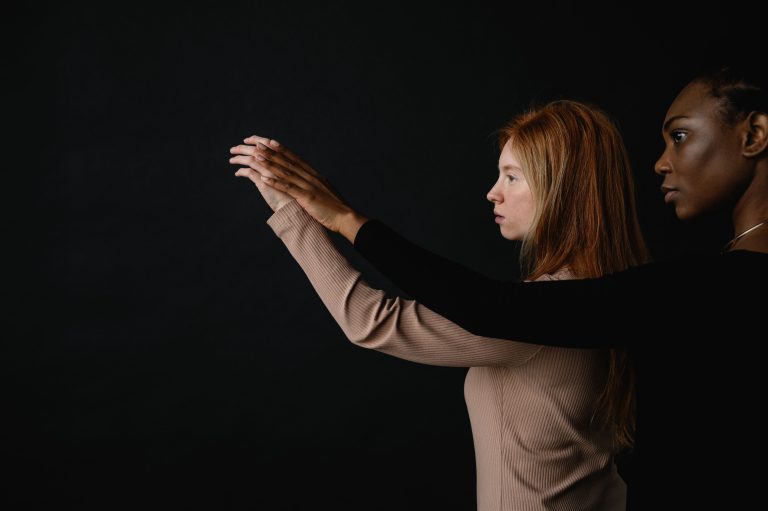 Mirroring Work
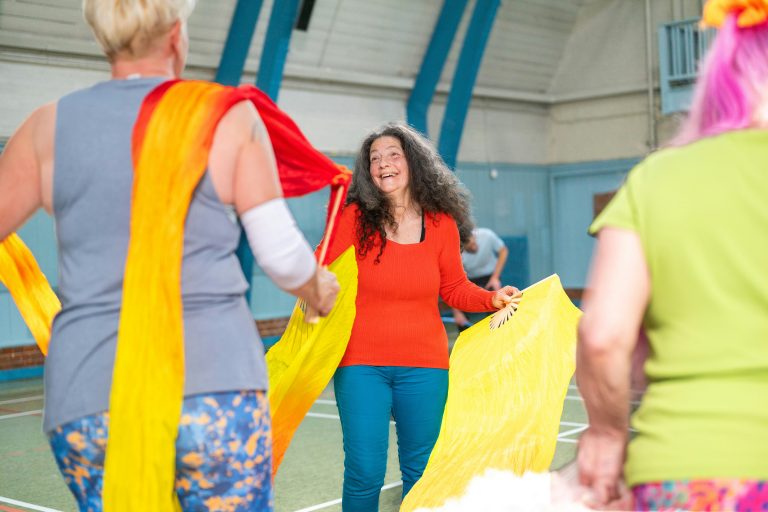 Movement with Touch and Sound
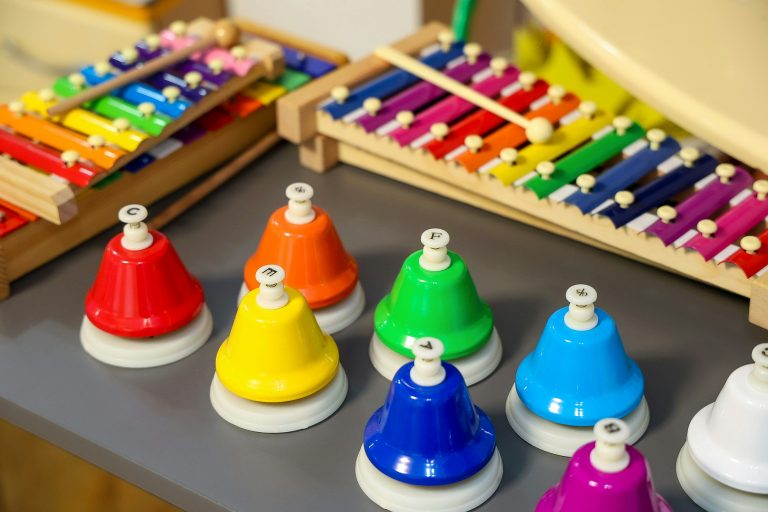 Music
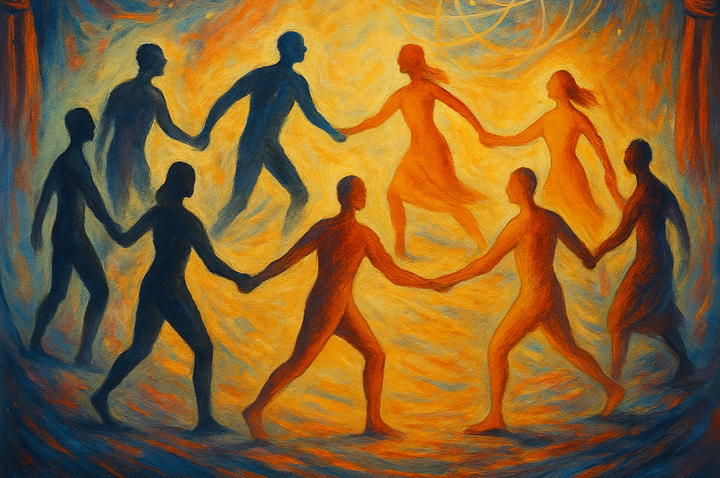 Myth
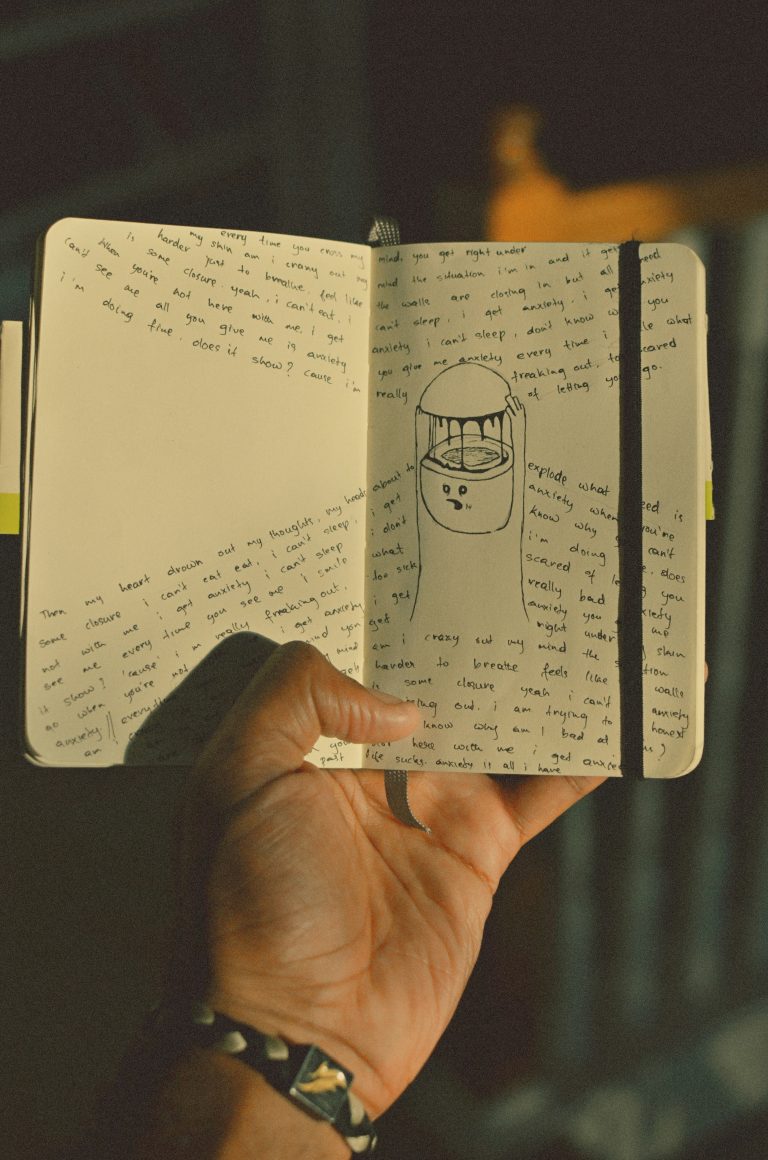 Narradrama
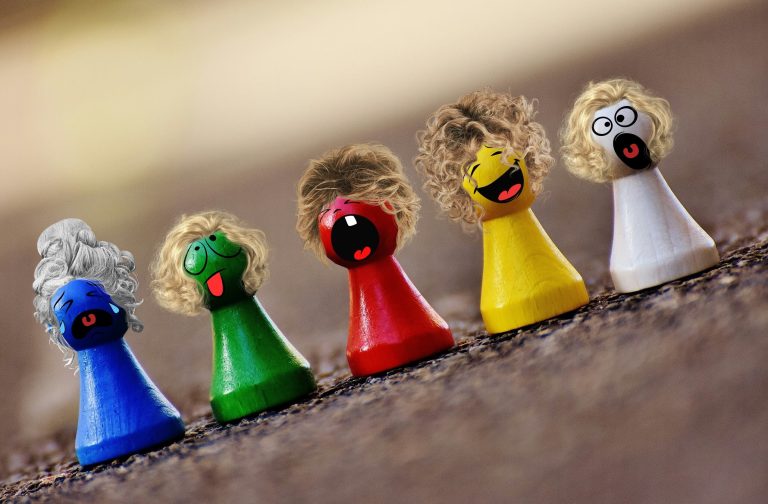 Parts Work (e.g. IFS)
 Play
 Playback Theatre
 Psychodrama
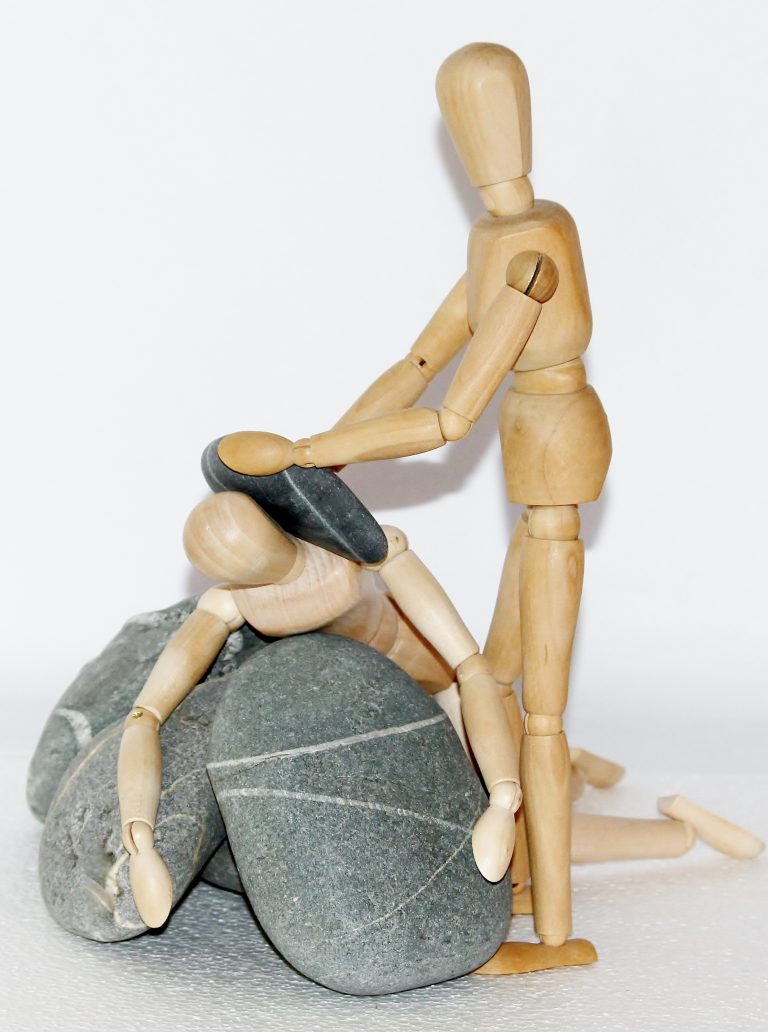 Psychodynamic
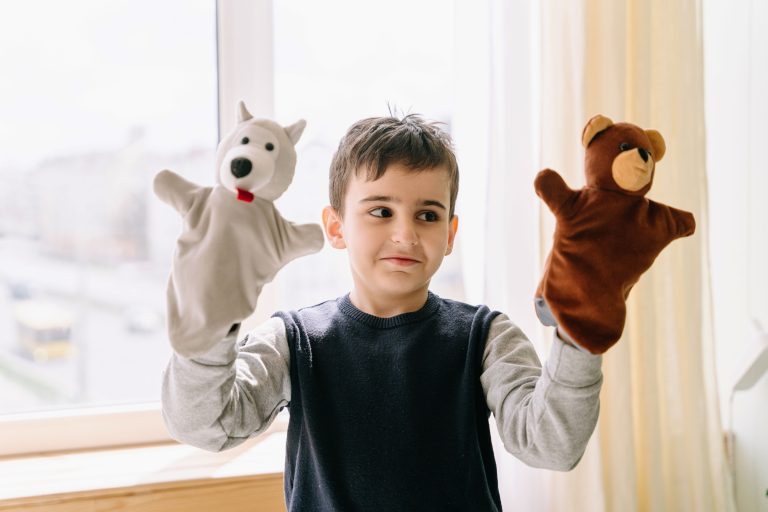 Puppetry
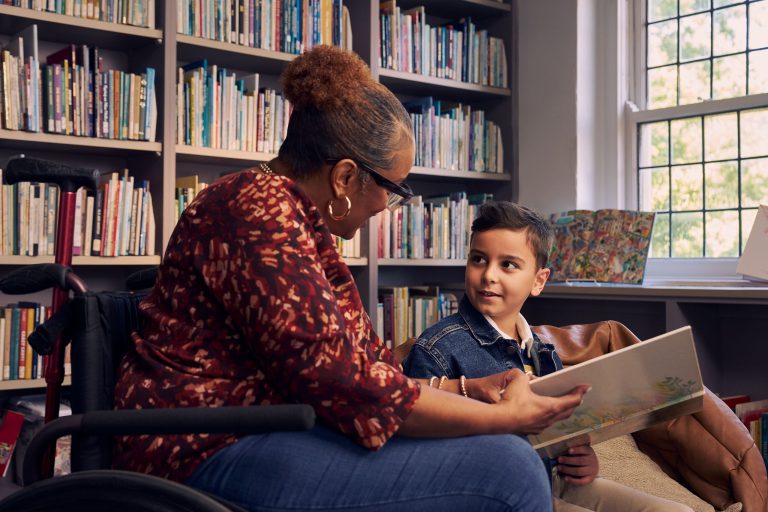 Relational Work
 Ritual Theatre
 Role Theory
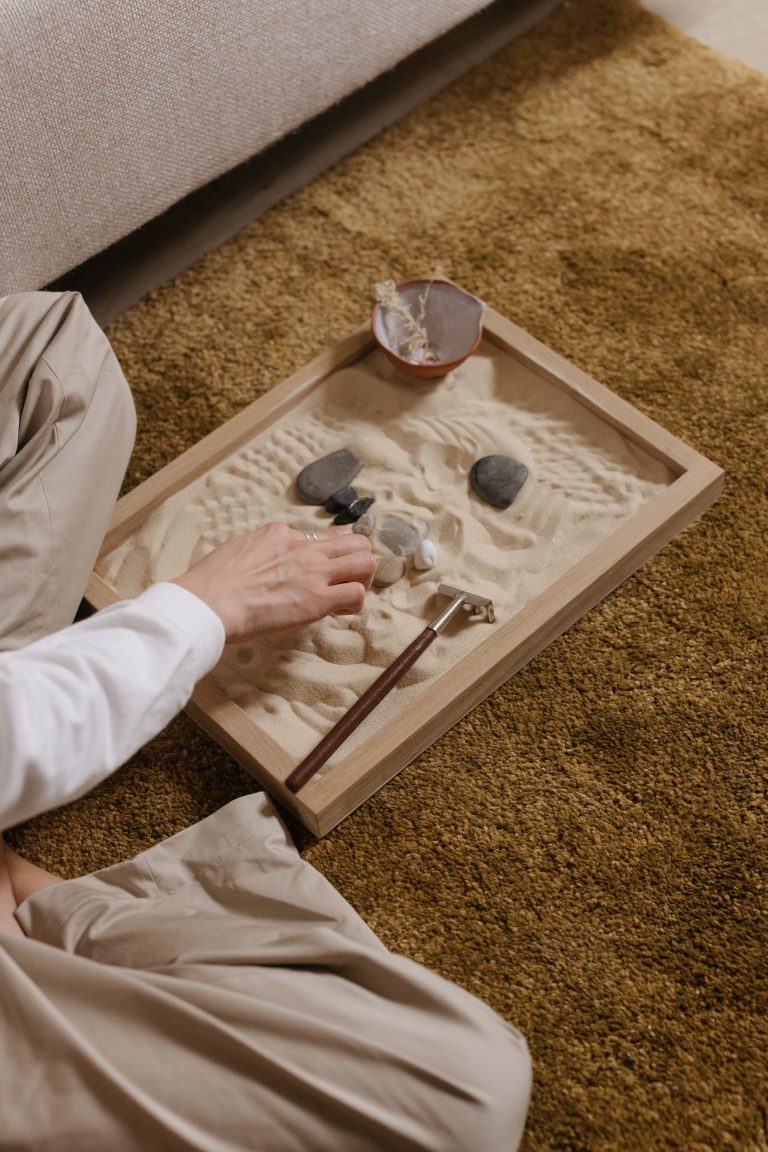 Sandtray
 Self-Revelatory Theatre
- Sesame Approach
1 practice group 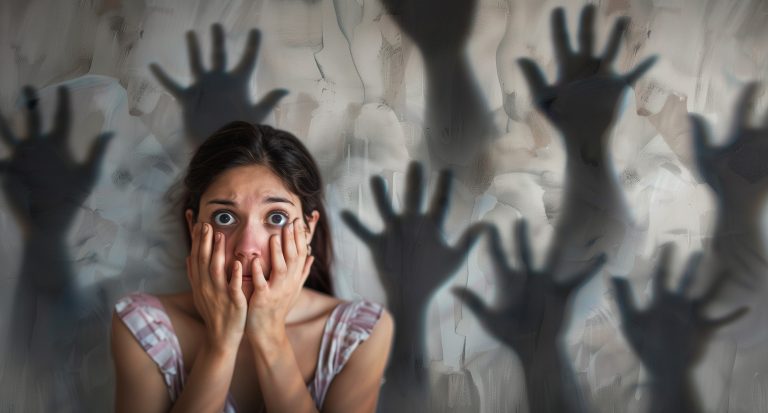 Shadow Drama
 Six Part Story Making
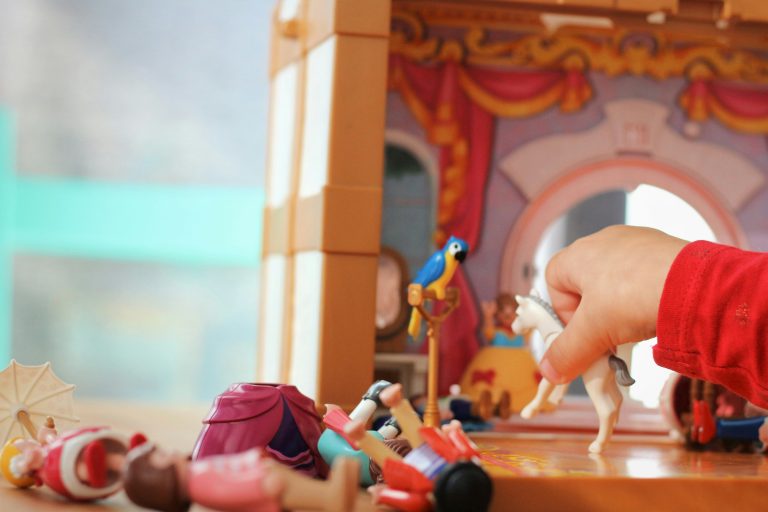 Small World
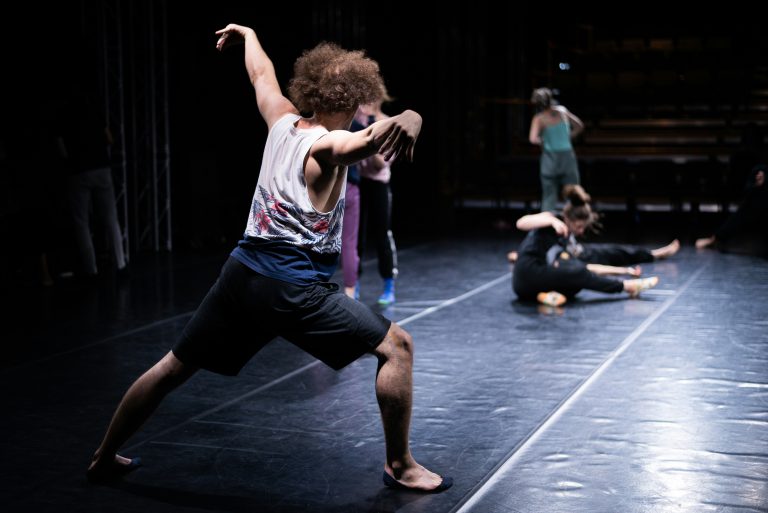 Somatic and Embodied Work
 Spectogram
 Symbol
- Systemic Therapy
 Text-Based Dramatherapy
 Theatre Games
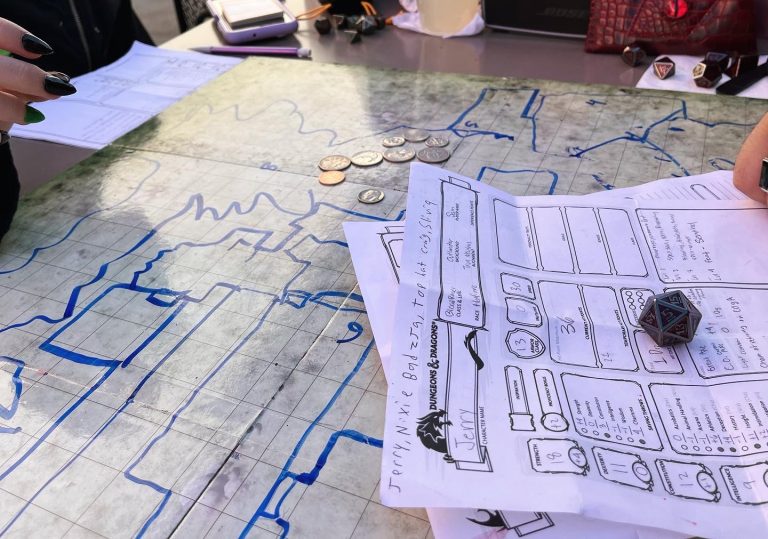 Therapeutic Role-Playing Games
 Therapeutic Story Work
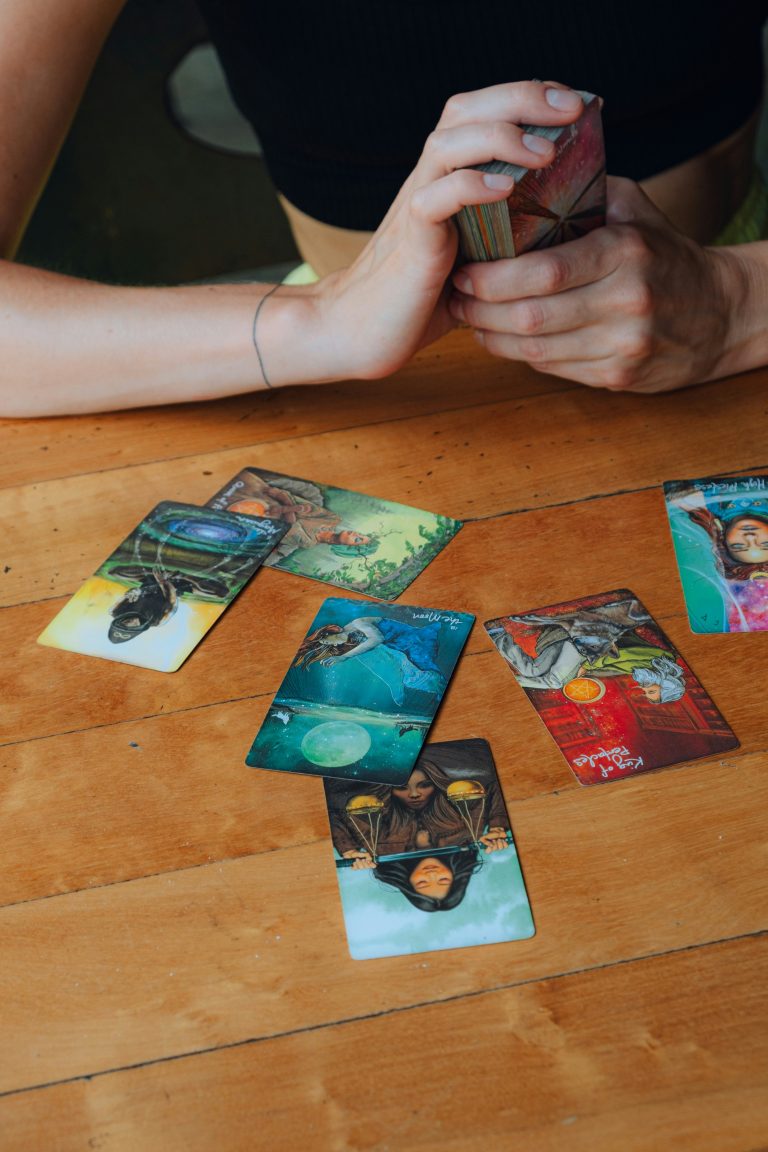
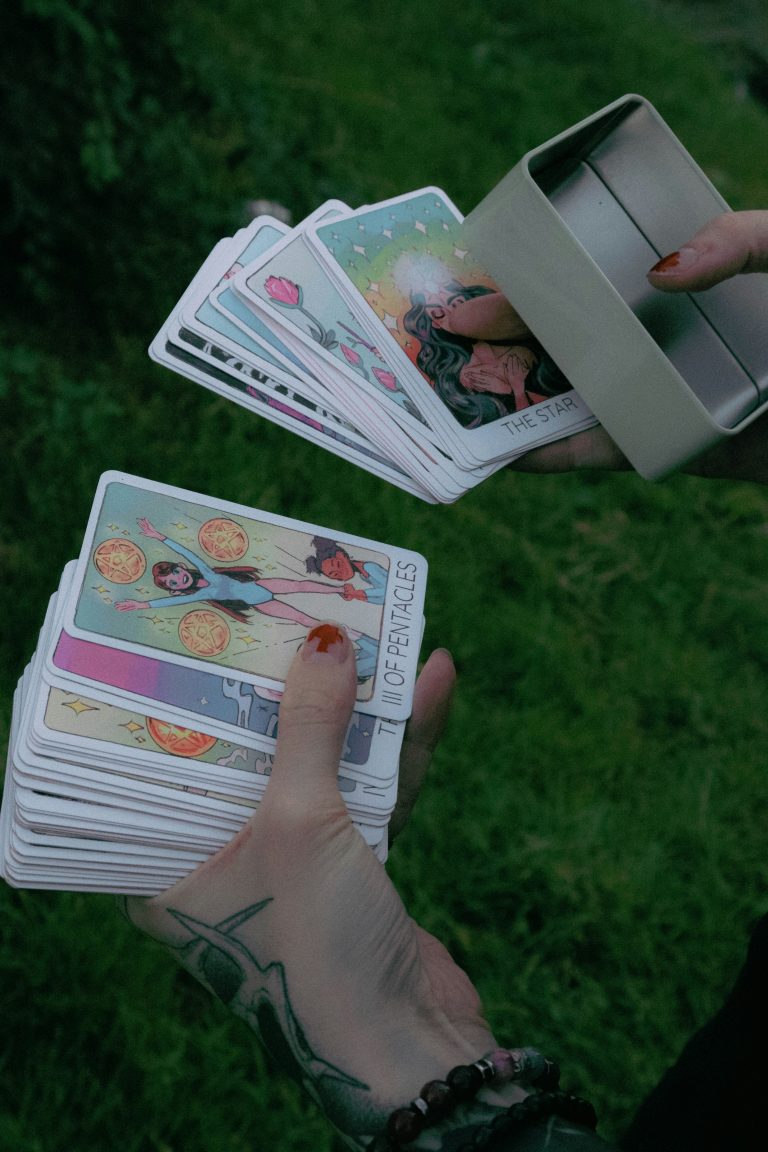 Therapy Cards
 Visualisation
Nothing matches that yet. Try another word, or clear the box.