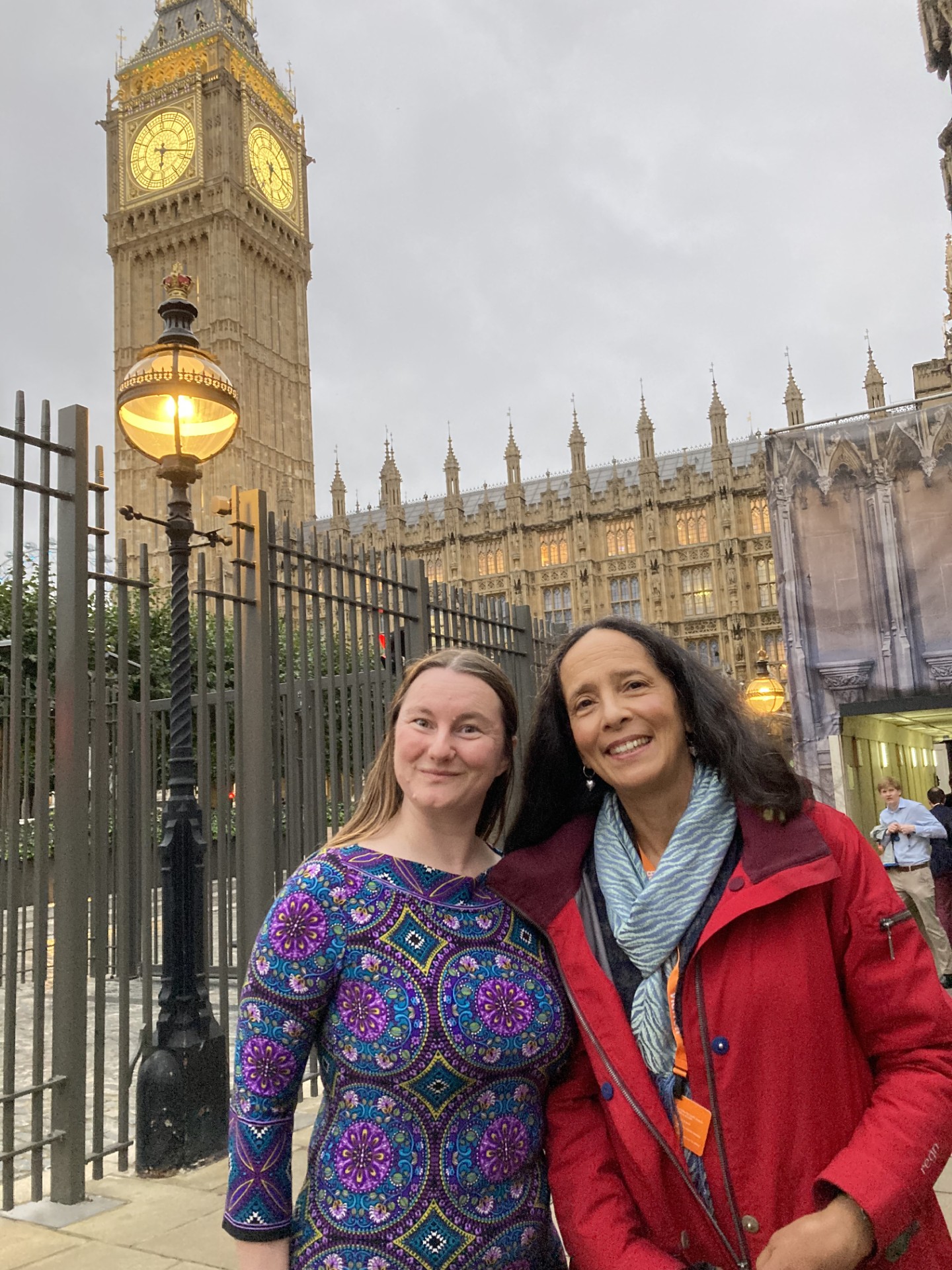
I attended the evidence session for the APPG on Allied Health Professionals’ inquiry into neighbourhood health. Chaired by Sonia Kumar MP (a practicing physiotherapist), the session convened MPs, Peers, clinical experts, academic researchers, and a patient panel to examine how the 370,000+ AHP workforce can be effectively integrated into England’s emerging neighbourhood care models.
Key Evidence & Takeaways
1. Patient & Carer Lived Experience
- Patient Panel Insights: Lived-experience speakers (including individuals with adult cerebral palsy and stroke survivors) highlighted both the life-changing impact of timely AHP intervention and the persistent barriers patients face when navigating fragmented local services. I was particularly moved by the evidence session from a man with complex needs whose mother and carer spoke about how music therapy had made a meaningful difference to his quality of life. The panel spoke about difficulty accessing services and GPs acting as gate keepers or not fully understanding the treatments offered by AHPs meaning some clients found it difficult to access the care they needed.
2. Clinical Routing & Role Clarity
- General Practice as the Triage Anchor: Evidence presented by academic experts (including researchers from Oxford Primary Health Care) emphasized that primary care/GPs play a vital role in signposting to AHPs. I had a number of concerns about this evidence session, particularly as the GP speaker was heavily pushing some of the negative rhetoric we have heard from the doctors union as part of their ongoing strike action to imply that unless a doctor has diagnosed, referred and supervised the AHP work that it is clinically dangerous. BADth strongly rebukes this. We are clinicians in our own right with our own professional standards. A patient who is sad does not need to be formally diagnosed as depressed before a dramatherapist can help them and we see part of the benefit of the Neighbourhood Health system to be more focused on early intervention rather than the medical model.
3. Strategic Workforce & System Integration
- Preventing Duplication: Multi-disciplinary neighbourhood health planning must include input from specialist AHP interventions to avoid duplicating effort across professional boundaries.
- Addressing Commissioning Gaps: Despite AHPs being central to proactive, preventative, and home-based care, systemic barriers in commissioning and workforce visibility currently prevent full utilization of AHPs within community settings.
Next Steps & Follow-Up
- The APPG will synthesize evidence from this oral session alongside written submissions submitted by professional bodies (e.g., Royal College of Occupational Therapy, British Dietetic Association, Chartered Society of Physiotherapy).
- A comprehensive inquiry report with policy recommendations for government, commissioning bodies, and NHS England is scheduled for release at the end of 2026.