



The desire to create a professional British Association for Dramatherapists (BADth) emerged in the 1970’s. By then countless professionals in mental health, special education and social care were using creative methods, especially drama, to help troubled children and adults to resolve significant personal and social difficulties. Requests for training, research and professional development in this field abounded. BADth was established in 1977.
Download BADth History in Headlines
The founder members were Sue Jennings and Gordon Wiseman who were joined by Roy Shuttleworth (a Psychologist), Joel (Ari) Badains (a psychodramatist), John Evans (a visual artist and Department Head, Hertfordshire College of Art and Design, St Albans), Judy Ryde (Occupational Therapist and Group Analysist), John Hand, Larry Butler and Peter Hawkins. Peter Slade was the Vice-president.
Sue Jennings was the editor of the first Journal produced in the summer of 1977. The Editorial Board was: Gordon Wiseman, John Evans, Judy Ryde and Roy Shuttleworth.
Like other professional bodies BADth had three primary tasks:
- To safeguard the interest of pupils, clients or patients who participated in dramatherapy
- To generate professional standards for the practice of dramatherapy as well as training, research, and continuing professional development in the field.
- to uphold the interest of dramatherapy practitioners
In 1982 Alida Gersie joined BADth’s original founders. Several years later she was joined by Phil Jones and Ditty Dokter. Together with Sue Jennings, Sarah Scoble, Ann Cattanach, Brenda Meldrum, Roger Grainger, David Powley, Anna Seymour, John Casson, Steve Mitchell and Madeline Andersen-Warren they set-up conferences, strengthened the content of BADth’s quarterly Journal, wrote books about dramatherapy and storymaking, and enhanced the postgraduate training programmes that attracted students from wide and far. Over time the ever-growing membership of BADth enthusiastically documented their practice and established strong links with a wide variety of professional bodies and organisations. During the 1980’s graduates from the Sesame trainings in drama and movement in therapy, set up by Marian “Billy’ Lindkvist in the 1970’s, joined BADth in increasing numbers.
Over the years this steady growth in membership enabled BADth to expand and solidify the three tasks outlined above. It established strong sub-committees in specific areas of employment, such as education, forensics and health, and also in key-areas of professional concern, such as supervision, equal opportunity and diversity. Following intense discussion, the membership added a requirement for individual and group therapy during training to the training-programmes. They also decided to regularise expectations regarding the ongoing supervision of dramatherapy practice. These developments supported the decision by the Health and Care Professions Council (formerly the CPSM) to request the granting of powers, mandated by Parliament, to regulate the profession of art, drama and music therapists. The professional title: Dramatherapist became protected.
Since their inception in the 1970’s Dramatherapy training programmes in the UK have grown from weekend workshops and short courses in Colleges for Further Education to Masters Degrees in several universities. Now strong links exist between BADth and other professional bodies in the arts therapies (such as BAAT and APMT/BSMT). The voice of BADth is respected and heard on issues that matter to dramatherapists and their patients/clients. Representatives from BADth precisely articulate to employers and other interested parties how dramatherapy intersects with public interests. BADth still publishes an esteemed ‘peer reviewed’ journal and acts as a learned society for the discipline. Its history demonstrates that the founders’ dream of creating an organisation for people with an interest in Dramatherapy was realised, but thanks to the steady work of many members much more than that was achieved. The professional title dramatherapist is nowadays widely known and respected, while BADth is still a growing and flourishing organisation.
The Association at a glance
Nearly five decades of building a profession — from a scattering of practitioners running drama groups in church halls and special schools, to a statutorily regulated profession whose title is protected by law.
“I have had a most rare vision”
Before there was a profession, there was a room. Through the 1970s Sue Jennings, Gordon “Gordie” Wiseman and Roy Shuttleworth ran short courses and weekend workshops at the Remedial Drama Centre on Holloway Road in north London. Children and teenagers came to after-school drama clubs; adults came to evening drop-in groups. Relations with the Baptist church that housed them were not always easy — particularly, as Sue Jennings remembers it, when the children climbed onto the roof and held a spitting competition into the Holloway Road.
What had started as Remedial Drama was becoming dramatherapy: a loosely defined practice drawing people from theatre, psychodrama, creative group work, special education, occupational therapy and psychology. Frustrated by attempts to pin it down in psychological language, Sue Jennings went to the London School of Economics to study social anthropology, and then to the Malaysian rainforest for her doctoral fieldwork. There she found communities already practising their own forms of preventative and curative drama. She came home with what she called, borrowing from Bottom the weaver, a most rare vision.
“At last an inaugural meeting to establish a professional body for Dramatherapy and Dramatherapists.”
Sue Jennings, on 1977
The push came from outside the field. John Evans, Head of Department at Hertfordshire College of Art and Design, had already established an art therapy training and kept asking when the dramatherapists would get their act together. He invited Sue Jennings to design a post-professional dramatherapy training — initially one day a week, to test the water. The response was enormous, and many of the profession’s future leaders had their ideas shaped in those salad days.
The inaugural meeting followed in 1977, bringing together Joel (Ari) Badaines, Gordon Wiseman, Roy Shuttleworth, Judy Ryde, Peter Hawkins, John Evans and Sue Jennings. Roy Shuttleworth became Chair, Sue Jennings Secretary and John Evans Treasurer — the last of whom also found the new body a few hours of secretarial support a week, an office corner and a filing cabinet.
Agreement was not instant. Gordie Wiseman was reluctant to institutionalise creativity and did not want a hierarchy, or to bring people in and keep others out; it took a great deal of discussion simply to establish what everyone was talking about. The founders were also adamant that a journal should not be published. Sue Jennings disagreed, financed the first issue herself, and went on to edit and contribute to it for years — deliberately inviting contributions from as wide a range of people as she could reach.
“I went through a very dark period with the new bustling organisation. I was deemed not eligible for membership, or to have my training courses recognised, until 1990. I had had the vision and now others wanted to take charge.”
Sue Jennings, contribution to the History Project, 2017
It is a founder’s account, and the Association records it as she gave it. The organisation that grew out of that room was not always comfortable for the people who imagined it — which is part of what makes the rest of the story worth telling.
The Association in headlines
Forty years of the record, drawn from the minutes, motions, journals and newsletters recovered by the History Project. Scroll the timeline — each entry opens out.
The Association is founded
Founded as the British Association for Dramatherapy by Sue Jennings and Gordon Wiseman, joined by Roy Shuttleworth, Joel (Ari) Badaines, John Evans, Judy Ryde, John Hand, Larry Butler and Peter Hawkins, with Peter Slade as Vice-President. The first edition of the Dramatherapy Journal appeared that summer, and the first conference was held in November at Hertfordshire College of Art and Design.
A constitution, and a first definition
The constitution and aims of the Association were published, together with the first definition of dramatherapy.
Knocking on the door of the NHS
Negotiations opened with the Whitley Council to bring dramatherapists into NHS career and salary structures — the beginning of a campaign that would take a decade to win.
Supervision takes root
The first supervision modules were introduced into training at St Albans. The first Standards of Supervision for Dramatherapists were carried as a motion at the AGM, and a supervision working party was formed under Alida Gersie.
Postgraduate status
The York course was awarded postgraduate status by the Council for National Academic Awards, and validation of the trainings at St Albans and Torquay followed. Negotiations with the Department of Health and Social Security restarted on the strength of it.
Parity with social workers
Negotiations were held with NALGO about pay scales for dramatherapists on a par with social workers.
Talks with the psychotherapy world
Negotiations continued with the Department of Health and Social Security on pay and conditions, and opened with the UK Standing Conference on Psychotherapy — later the UKCP.
The Art of Research — and pay at last
The first Arts Therapies Research Day, The Art of Research, was held at City University, London. Pay and conditions for dramatherapists working in the NHS were finally agreed and implemented. Negotiations with Sesame and the Institute of Dramatherapy concluded, so that practitioners trained on those courses could become Full Members.
The application for state registration
The application for registration with the Council for Professions Supplementary to Medicine — now the HCPC — was completed. Chair Michael Barham wrote it: a substantial academic document setting out the history, theoretical models, training requirements and ethical base of the profession.
Personal therapy becomes mandatory
After an Extraordinary General Meeting, the membership agreed that personal therapy is a necessary part of training to become a dramatherapist. The CPSM application was approved, and a definition of dramatherapy was published following consultation:
Dramatherapy has as its main forms the intentional use of the healing aspects of drama and theatre within the therapeutic process. It is a method of working and playing which uses action to facilitate creativity, imagination, learning, insight, growth and change.
A company limited by guarantee
The Association became a company limited by guarantee, and members of the Executive Committee became company directors.
Recognised by Parliament
On 6 March a motion was placed before the House of Lords by Baroness Cumberlege that a draft Order creating an Arts Therapies Board under the Professions Supplementary to Medicine Act 1960 be approved. It had already been agreed in the Commons the week before, and came into effect on 26 March. The Baroness noted that the arts therapies were the first wholly psychotherapeutic profession to achieve this status. An Arts Therapies Board was formed to prepare and maintain the State Register for dramatherapists, art therapists and music therapists.
A new name
The Association became the British Association of Dramatherapists — a body of practitioners rather than a body for a practice.
Pay guidance for schools
The Education Subcommittee produced the first guide to salary scales and fees for dramatherapists working in education. The Memorandum and Articles of Association were agreed by the membership.
Joining the Allied Health Professions Federation
The Association became a member of the Allied Health Professions Federation, taking its place alongside the other regulated professions.
Training moves to Masters level
Training courses moved to Masters-level degrees, completing the journey from weekend workshops and short courses in colleges of further education.
A protected title
All dramatherapists were required to register with the HCPC in order to use the title legally — previously mandatory only for those working in the NHS.
A year of consolidation
The first strategic plan was formulated by the Executive and circulated to members. HCPC continuing professional development audits began. Dramatherapy appeared in the Arts Council’s Prospectus for Arts in Health, the Dramatherapy European Exchange Project was formed, a mentoring scheme for newly qualified dramatherapists was established, and the arts therapies were included in the NICE guidelines for schizophrenia.
The Journal goes to Routledge
A research database became available in the members’ area, The Prompt launched online, and the Dramatherapy Journal was launched jointly with Routledge. Arts in Health and Arts Therapies — A Statement of Principles was published, alongside a report on the arts therapies in Scotland.
A European federation begins
The first meeting was held of the proposed European Dramatherapy Association, which became the European Federation of Dramatherapists. The Training Subcommittee completed the Curriculum Guidance document.
Opening up
E-bulletins launched in 2012. Open Space meetings began in 2013 — adapted from Harrison Owen’s Open Space Technology and Improbable Theatre’s Devoted and Disgruntled — giving members a forum to raise whatever mattered to them. In 2014 the Association raised the profile of dramatherapy within public health.
The first European congress
The first congress of the European Federation of Dramatherapists was held.
A registered charity
The Association’s charity was registered with the Charity Commission for England and Wales, and the Intercultural Good Practice Guidelines were published.
The History Project
A major survey of the membership was undertaken, along with the Mass Observation survey A day in the life of a dramatherapist. The Association’s history and archives were restored and presented as an exhibition at the Annual Conference: the BADth History Project.
In their own words: the Chairs
Fifteen of those who have led the Association, from its first Chair in 1979 to the present day. The first eleven gave interviews to the History Project in 2017 and speak here in their own words; the four since are reconstructed from the Association’s filed records, and are waiting for their occupants to fill them in.
Roy Shuttleworth came to the newly formed Association through contact with Sue Jennings. As a psychology student and later a psychologist, he advised on the psychodynamic aspects of dramatherapy and on the professional questions that came with them. He was an active supporter of the Dramatherapy Journal from its earliest days, contributing articles on the importance of metaphor in practice. He also served as Treasurer and on the Executive Committee.
Dorothy Langley’s aims were to set the standards for the professionalisation of dramatherapy and to improve the quality of practice, and she was instrumental in establishing and maintaining standards for training and supervision. During and after her time as Chair she began the process of registering the Association as a company limited by guarantee; built links with the British Association of Psychodrama; instigated a subcommittee to represent freelance dramatherapists; formulated the first Code of Practice for Dramatherapists; and opened negotiations with NALGO on Whitley Council grading scales for dramatherapists in social services and local government. She also formed a subcommittee to set up a World Congress of Arts and Disability.
“At the time I became Chair, I saw my major task as the professionalisation of dramatherapy. As Chair I needed to bring together differing views to achieve a strong and united profession that also respected differences of approach.”
Standards of clinical supervision were put in place in line with other psychotherapeutic practices, and negotiations began with the membership to make personal therapy for trainees a requirement rather than a recommendation. Liaison extended to the Whitley Council and NALGO on pay, to the Council for Professions Supplementary to Medicine, to the UKCP, and to education and social services bodies.
Among the achievements of those years: NHS pay scales for dramatherapists; postgraduate status for training courses; clinical supervision instituted as an integral part of practice; representatives from psychodrama and Sesame brought to the Executive before Sesame graduates were approved as Full Members; and the beginning of the CPSM negotiations that others would conclude.
Michael Barham wrote the Association’s original application to the Council for Professions Supplementary to Medicine and led the negotiations with the Department of Health — a substantial academic document detailing the history, theoretical models, training requirements and ethical base of the profession. He maintained those negotiations for eight years. In 1997 he was invited by Baroness Jay to become Vice-Chair of the Board for the State Registration of the Arts Therapies; in 2001 Lord Hunt invited him to help create the Health Professions Council and to represent the arts therapies as a Council Member.
As Chair he restructured membership fees to create financial stability, reformed the subcommittees so that by 1995 each had short- and long-term targets, and consulted the membership to produce the Association’s first succinct definition of dramatherapy. He convened the 1993 EGM at which personal therapy was agreed as an essential component of training, published a register of supervisors and a register of members, and redesigned the newsletter and Journal in a bold new style.
Andrea Perry worked to grow the membership, including student members, and to establish regional groups. She secured agreement from the membership on the need for post-qualification supervision, developed information packs for public relations, for newly qualified dramatherapists and for new Executive members, and supported Michael Barham through the state registration process. With Jenny Stacey as Vice-Chair she inaugurated the Peter Slade memorial day and fund, chaired the All Arts Therapy day in Wales, managed a variety of ethical challenges — and created and sold the Association mug.
“I was elected at the memorable conference in South Wales, the weekend Princess Diana died. I had shied away from the position because I was about to get married later that month and hoping to start a family as soon as possible. Andrea Perry said, well, that could take a long time; as it happened I think I was actually giving birth the weekend of the 1998 conference!”
“Less than two weeks into my reluctant Chairship I had an emergency call from Gillian Eckley, the administrator. What transpired was that the Association was without a Complaints Procedure and we were suddenly required to have one. Working with fantastic colleagues, especially Bruce Bayley and Stan Ratoff, together with external consultants, we created the first Complaints Policy. It was a bit of a baptism of fire!”
Before becoming Chair she had been a student representative and then convenor of the Supervision Subcommittee, where she set up the supervisors’ register and helped train on Marina Jenkyns’ two-year part-time supervisors’ training programme in Manchester.
Stan Ratoff rewrote the Association’s Articles of Memorandum, restructured the Annual General Meeting and general meetings, and put the finances and fee structure on a firmer footing. He brought in outside keynote speakers and created the International Subcommittee. Above all he continued the work begun by Michael Barham on the application for dramatherapy to be registered with the Council for Professions Supplementary to Medicine — long and complex work that led to registration with the Health Professions Council in 2002 and to the title of Dramatherapist being protected.
He described his aim simply: to create an atmosphere in which this was a professional organisation for its members.
“Improving my multi-tasking skills; at one point I was editing the Prompt and the Journal, organising CPD days and co-organising the conferences in addition to the Chair’s roles.”
Her years as Chair were dominated by external relationships: the Allied Health Professions Federation in England and Scotland, NICE, the Department of Health, the HPC, the Department for Children, Schools and Families, the Sesame Institute, Skills for Health, the Arts Council and the New Savoy initiative. She initiated liaison between the Sesame Institute and the Association, organised joint CPD days with the other arts therapies and the British Psychodrama Association, and established regular meetings between the Executive and subcommittee convenors.
She worked with the Executive and Treasurer to fund the research project by Ditty Dokter and Linda Winn that produced the online research database; with Heidi Jockelson to create the online Find a Therapist facility; and negotiated with Routledge to publish the Journal. As a charity trustee she worked with Kate Lewis, Jonathan Hirst and Elizabeth Stevens to achieve registration with the Charity Commission. She was also, with Christian Dixon, one of the two chroniclers of the History Project itself.
As Co-Vice-Chair, Bruce Howard Bayley worked with Di Gammage and Stan Ratoff to produce the first complaints procedure and revised the constitution, played a major role in developing therapy hours for students and supervision requirements for newly qualified dramatherapists, and acted as the alternate representative in the CPSM negotiations.
As Chair he maintained active involvement with the Allied Health Professions Federation, developed the relationship with Sesame, played a major role in forming the European Federation of Dramatherapists, and worked with Public Health England to promote the role of dramatherapy in public health. He instigated the regular e-bulletins and the Association’s presence on social media.
As External Liaison Officer he represented the Association across the Department of Health, the Allied Health Professions Federation and Education Leads, Health Education England, the Council for Allied Health Professions Research, Public Health England, the HCPC, and the other arts therapies bodies — including a joint campaign with the art and music therapy associations to persuade employers of the importance of employing statutorily regulated practitioners.
John Hazlett Dickinson developed Open Space for the Association, drawing on Harrison Owen’s Open Space Technology and Improbable Theatre’s Devoted and Disgruntled roadshow. Open Space events allowed members to explore matters of concern in the Association and in dramatherapy more widely, and became an ongoing feature of conferences — developing, in his words, a greater sense of ownership by the members.
He provided stability by ensuring key officer roles were filled and by encouraging more members to believe they could take them on, developed an open and collegiate style of leadership, supported the Supervision Subcommittee through its reform of the supervision guidelines, and ensured the Executive actively supported the Equality and Diversity Subcommittee.
Alyson Coleman has been a member since 1994, as student, associate and full member, working for long periods in education, psychology and the NHS — and advocating for the profession within each of them, including by creating new posts. As Chair she liaised with the HCPC, the Allied Health Professions Federation, the art, music and dance movement therapy associations, NICE, training organisations, government departments and the European Federation of Dramatherapists.
Her achievements as Chair included the 2017 Work Survey and the Mass Observation archive, A Day in the Life of Dramatherapists — and, as she put it, caretaking, developing and progressing dramatherapy in the UK and international context.
Madeline Andersen-Warren returned to the chair as Acting Chair in 2019, nine years after the end of her 2004–2010 term, serving from January to September of that year. By then she had been a trustee of the Association’s charity since its registration with the Charity Commission in 2016 — and, with Christian Dixon, one of the two chroniclers of the History Project recorded on this page.
Her fuller account of the Association appears in her first entry above.
John Hazlett Dickinson took the chair for a second time in September 2019, having led the Association from 2013 to 2016 — the term in which he brought Open Space into the Association’s life. He served until September 2021, and returned to the Executive Committee again in 2023.
His account of the earlier term appears above.
Jane Bourne joined the Executive Committee in September 2019 and served as Chair from 2021 until November 2023.
Amy has been dedicated to BADth since 2020, serving in various roles including Acting Vice Chair and Secretary. She was elected Chair at the 2024 AGM. Her experience in dramatherapy spans NHS CAMHS teams, voluntary sector organisations, schools, community settings, and private practice. Amy also leads the Religion and Spirit Matters subgroup of BADth’s Inclusion and Visibility Subcommittee. Amy’s contributions include drafting Covid guidance and organising BADth’s first online conference. She is committed to improving organisational structure, empowering members, and ensuring robust policies and procedures. Financial sustainability is a priority for Amy, who advocates for true cost recovery and transparent decision-making. Her vision for BADth is one of inclusivity, empowerment, and resilience.
Education Reform Commission 2024/25 (Art, Drama and Music Therapies: BAAT, BADth, BAMT)
As Chair of the British Association of Dramatherapists (BADth), I served on the Executive Oversight Committee for the NHS England Education Reform Commission 2024/25. The Committee provided strategic oversight of a number of workforce development workstreams across the Arts Therapies professions.
One of these workstreams focused on the development of career pathways, including proposals relating to Support Worker and Advanced Practice roles. As part of my oversight role, I attended Allied Health Professional (AHP) meetings on Support Workers and NHS England discussions on Advanced Practice, ensuring BADth remained informed about emerging developments and opportunities for the profession.
To support the profession’s engagement with these developments, I invited Raquel to establish and lead a dedicated BADth committee to explore how these workforce initiatives might be considered within Dramatherapy and alongside related work being undertaken by colleagues in BAMT and BAAT. I facilitated introductions to key stakeholders, convened initial meetings, and attended the inaugural committee meeting to share knowledge, context, and contacts gathered through my involvement with the Commission.
More voices from the archive
The Chairs are only part of the story. These members gave their own accounts to the History Project — the editors, convenors and organisers whose work made the Association function between conferences.
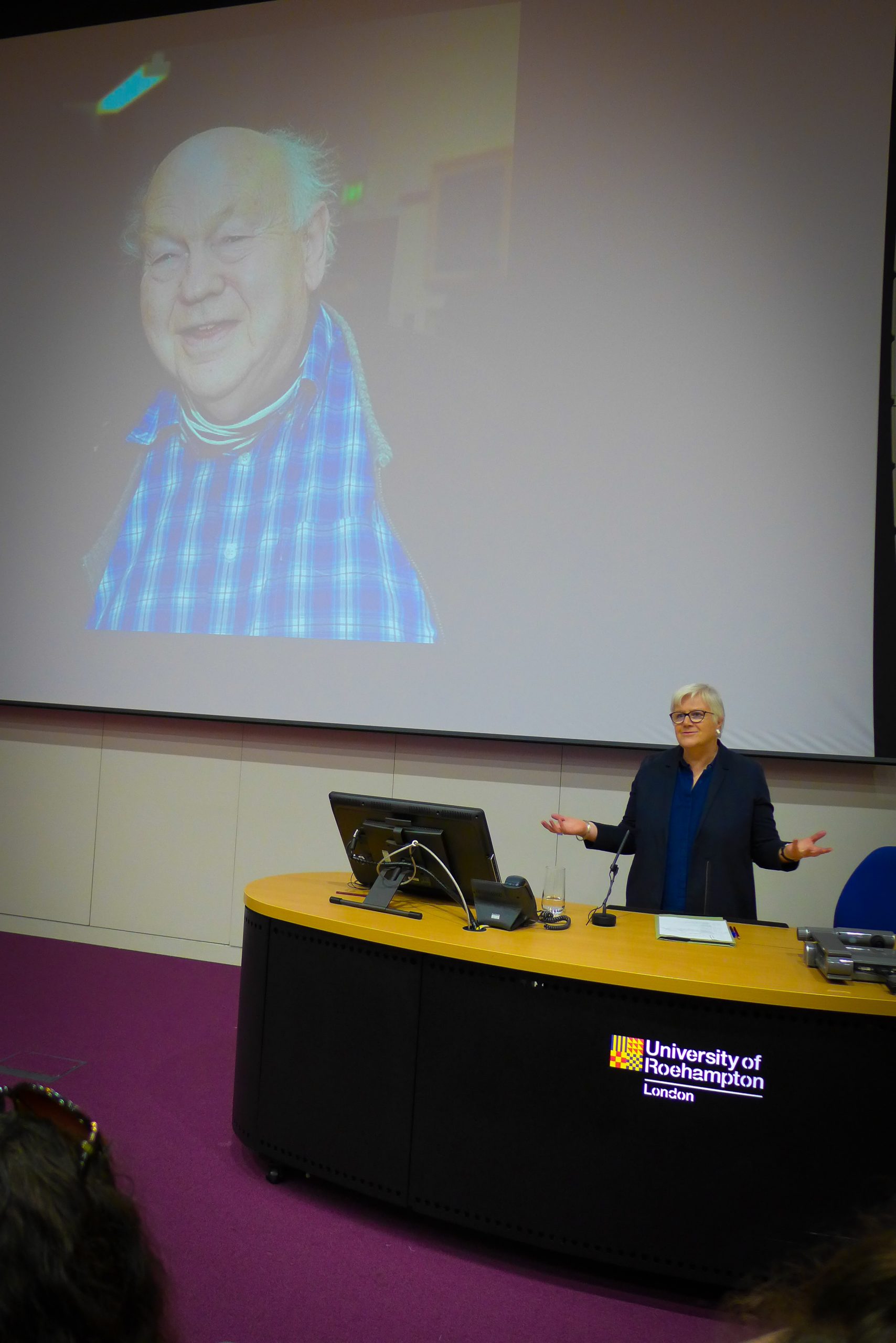
Anna Seymour
Launched the journal as a peer-reviewed publication in 2011, edited the Curriculum Guidance for the training and education of dramatherapists, and ran three mentorship schemes for new writers. Convenor of the Arts in Health Subcommittee and co-organiser of four annual conferences.
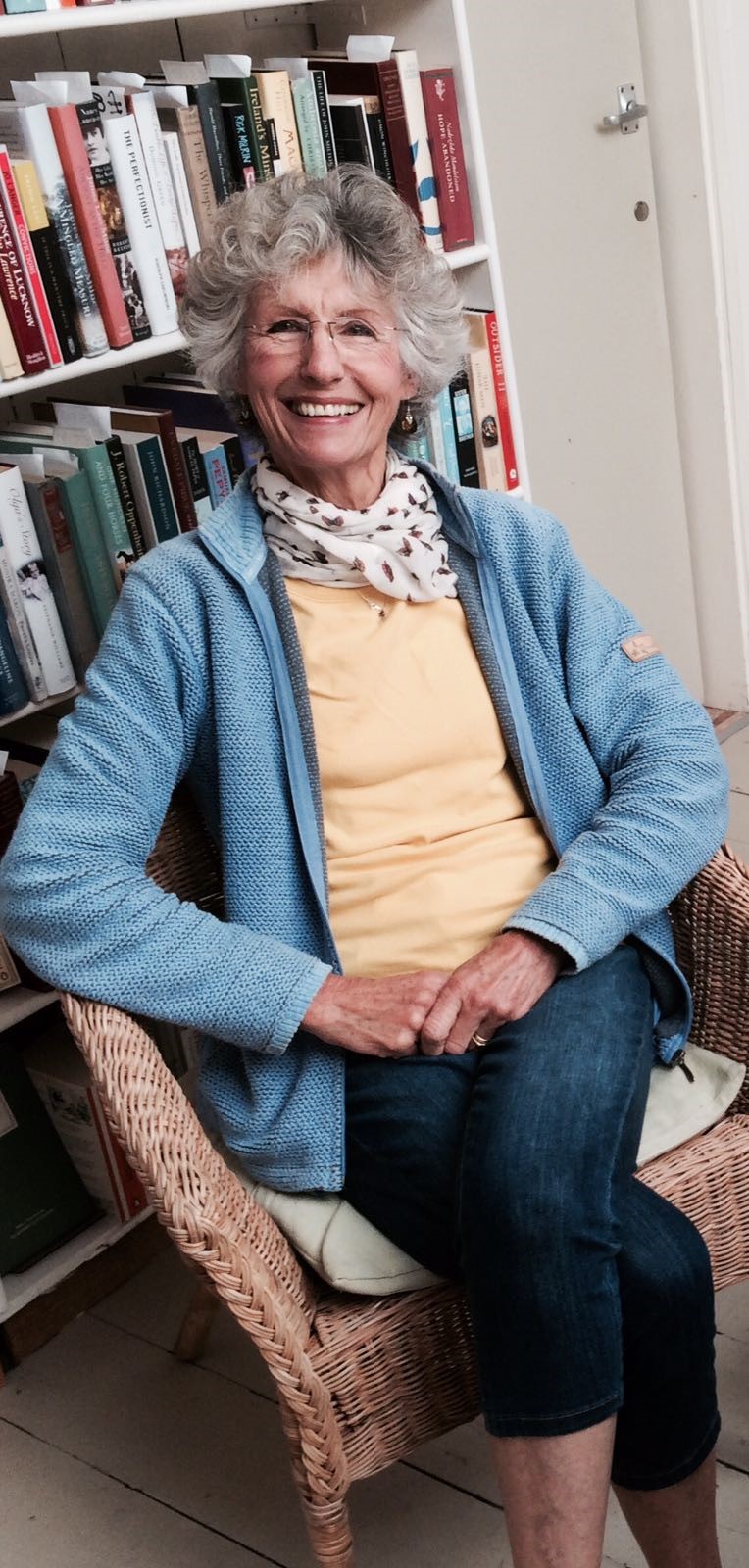
Bea Scott
With Eleanor Zeal, sustained contributions from dramatherapists across the UK and from Europe, America, Australia and Malaysia. Later on the Executive Committee and co-convenor of continuing professional development, running the conference auctions.
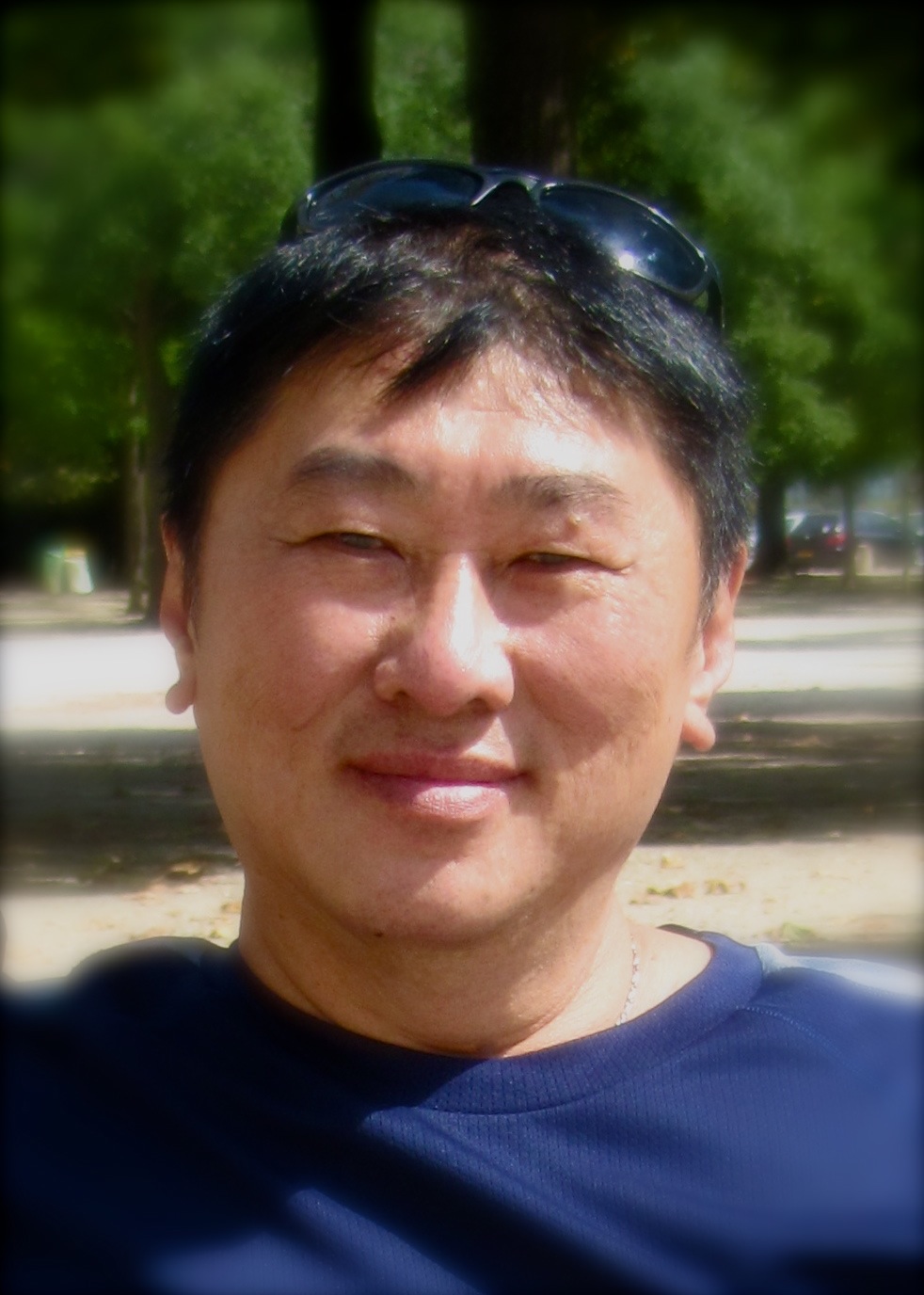
Alex Chew
Facilitated the 2005 consultation on changes to the supervision guidelines and circulated the revised guidelines in 2006, defining peer, group, distance and one-to-one supervision. Also convened the International and Public Relations subcommittees, and redesigned the website.
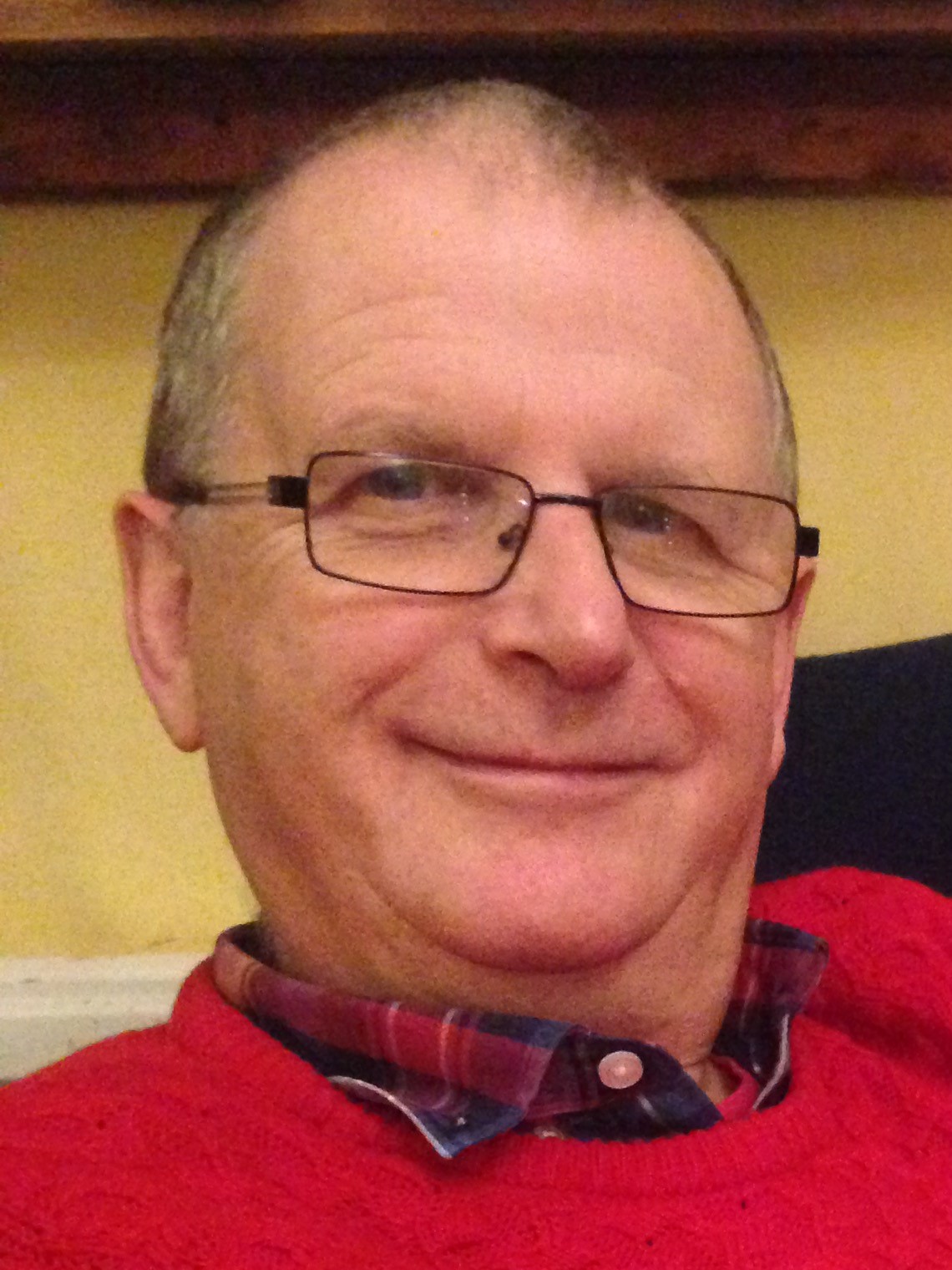
John Christy-Casson
Organised the 1989 Manchester conference and the 1995 York conference — the only one ever held jointly with the British Psychodrama Association — and was a keynote speaker in 2014. Convened Dramatherapy North West for many years.
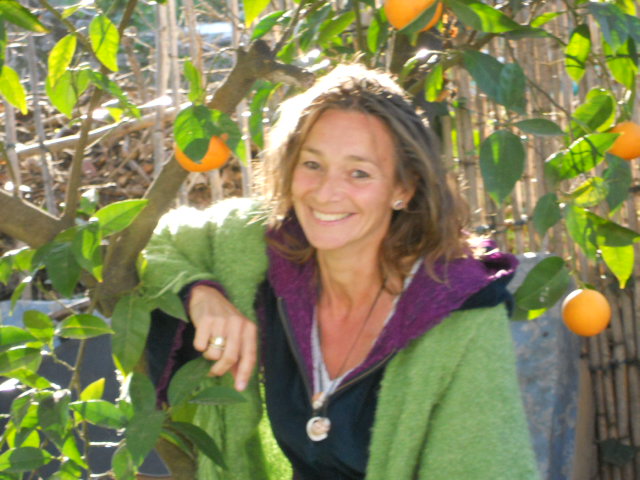
Jessica Williams Ciemnyjewski
Co-wrote the first Guidelines for Arts Therapists Working in Prisons, published by the prison service in 1997, and helped convene the first meeting for arts therapists in the forensic field — now the FATAG conference. Coordinated the Dramatherapy European Exchange Project, 2007–2010.
Forty years in one frame
Ditty Dokter joined the Executive Committee in the 1980s and has served on the Training, Research, and Equality and Diversity committees across four decades. She supplied this collage of her own practice, teaching and graduations to the History Project.
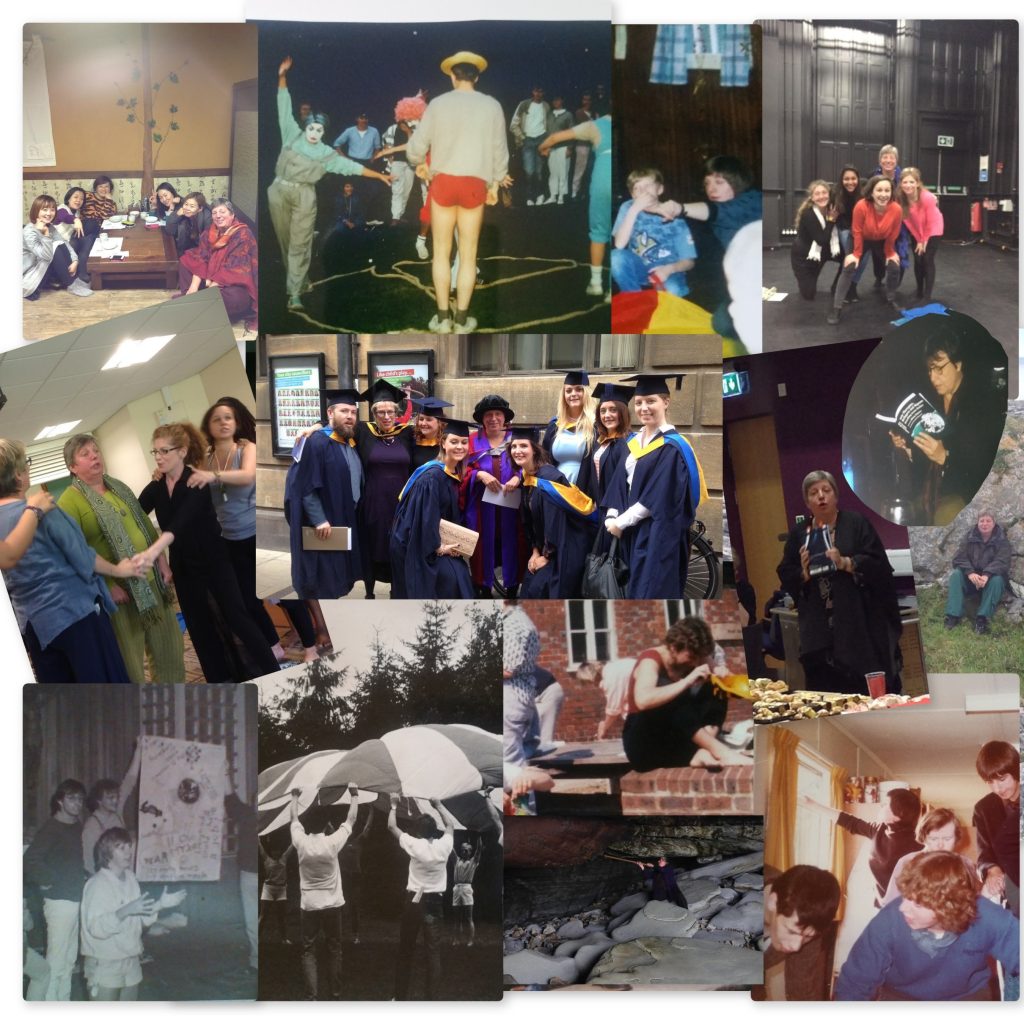
Her work runs through much of what appears elsewhere on this page. With Linda Winn she coordinated the systematic review Practice Based Evidence in Dramatherapy, which produced the online research database on the members’ area. Her doctoral research on cultural variables affecting client–therapist consonance led directly to the Intercultural Good Practice Guidelines, developed with the North American Drama Therapy Association alongside Mandy Carr and Sarah Bilodeau. She conducted the Association’s first membership equality survey, took an active part in the negotiations with Routledge over the Journal, and rewrote or established dramatherapy curricula at Hertfordshire, Roehampton and Anglia Ruskin.
Threads of the history
The History Project set out to record not just what the Association did, but how it argued, where it worked and what it insisted on. These are the strands the chroniclers were able to reconstruct from surviving papers.
Supervision is now so embedded in practice that it is easy to forget it had to be argued for, motion by motion, over a decade.
1983. Alida Gersie ran training days for Executive members, and the first Standards of Supervision were introduced: support for dramatherapists in the field, monitoring of standards, provision of in-service courses, and supervision of students. Carried at the AGM, with a working party formed under her leadership.
1987. Recommendations were put to members defining supervision as regular, accepted time with a supervisor to examine both the factual content of practice and the projections and transferences occurring in the therapeutic milieu. All newly qualified dramatherapists should receive weekly supervision in their first year; the Association should publish a list of suitable supervisors; and a three-tier membership was proposed, with practising full members presenting annual evidence of supervision.
1990. The Supervision Subcommittee set out conditions in detail: weekly supervision for the first year, or fortnightly for two years, then monthly until the fifth year — roughly forty sessions in a working year of forty-eight weeks. Supervisors were to be nominated and agreed by the Executive against criteria of skill, knowledge and standing. Members were urged to ask employers to finance supervision, with the pointed observation that line management does not necessarily meet the requirement: the essential feature of professional supervision is the consideration of therapeutic process with clients.
The guidance of the day noted fees of between £10 and £30 a session, “London probably being the most costly place”.
Wales has its own thread in this history, shaped by a distinct administrative and political landscape and by the isolation of practitioners working across a largely rural country.
1990. The All Wales Standing Committee for Arts Therapies Professions was formed. 1996. It was reformed as the All Wales Network Committee for Arts Therapies Professions, with membership drawn from the professional associations and a deliberate balance between them regardless of size.
As the Network Committee’s convenor Rachel Matthews wrote at the time: “Administratively, culturally and politically, Wales is different from England, and indeed different from Scotland and Northern Ireland … Communication is often poor, and as arts therapists we often hear of things by luck rather than official channels. The Network Committee provides a reference point, someone to talk to when a document lands on your desk.”
1997. A joint conference of the dramatherapy, dance movement, art and music therapy associations — incorporating the Association’s own annual conference, Borderlands — was held at the University of Wales, organised through the Network Committee. 1998. Dramatherapy-Wales was formed.
Through the 2000s arts therapists in Wales gained representation on the Welsh Therapies Advisory Committee reporting to the Welsh Assembly Government, fed into the Mental Health Action Plan for Wales and the Strategy for Autism, and featured in the Welsh Rural Health Strategy. Richard Hanners addressed Welsh Assembly ministers on the arts therapies; Martin Cope carried the dramatherapy case to the Advisory Committee for years; Seren Haf Jones, Catherine Lacey and Martin Cope produced a bilingual logo and leaflet in Welsh and English.
From the 2004–5 annual report, Kit Loring: “supporting people with problems, not problem people, but people who find their worth, and are dignified through the affirming process that is arts therapies.”
Where the record is silent, the History Project says so rather than guessing — two periods of the vice-chairship remain unknown.
Chairs
| 1979–1980 | Roy Shuttleworth |
| 1980–1982 | Jane Puddy |
| 1982–1983 | Sue Jennings |
| 1983–1984 | Gordon Wiseman |
| 1984–1986 | Dorothy Langley |
| 1986–1987 | Mike Fitzsimmons |
| 1987–1991 | Marina Jenkyns |
| 1991–1995 | Michael Barham |
| 1995–1997 | Andrea Perry |
| 1997–1998 | Dianne Gammage |
| 1998–1999 | Stan Ratoff & Bruce Howard Bayley (co-chairs) |
| 1999–2003 | Stan Ratoff |
| 2003–2004 | No Chair |
| 2004–2010 | Madeline Andersen-Warren |
| 2010–2013 | Bruce Howard Bayley |
| 2013–2016 | John Hazlett Dickinson |
| 2016–2018 | Alyson Coleman |
| 2019 | Madeline Andersen-Warren (Acting Chair) |
| 2019–2021 | John Hazlett Dickinson |
| 2021–2023 | Jane Bourne |
| 2023–2024 | No Chair recorded |
| 2024– | Amy Mackay |
Terms from 2016 onwards are dated from the Association’s filed records of its directors and are approximate at the boundaries; from now on they are maintained from the Association’s own register of roles.
Vice-Chairs
| 1979–1980 | Sue Jennings |
| 1980–1982 | Gordon Wiseman |
| 1982–1985 | Unknown |
| 1985–1986 | Mike Fitzsimmons |
| 1986–1988 | Tone Horwood |
| 1988–1990 | Unknown |
| 1990–1991 | Tone Horwood |
| 1991–1993 | Steve Nash |
| 1993–1994 | Pamela Corti |
| 1994–1996 | Jenny Stacey & Nicholas Paton-Philp |
| 1996–1997 | Stan Ratoff & Bruce Howard Bayley |
| 1998–1999 | Position vacant |
| 1999–2001 | Sue Jennings |
| 2001–2002 | Gordon Wiseman |
| 2002–2003 | Catherine Lacey |
| 2003–2004 | Clare Heyland |
| 2004–2006 | Brenda Meldrum |
| 2006–2008 | Clare Hubbard |
| 2008–2009 | Position vacant |
| 2010–2015 | John Bowtell |
| 2015–2018 | Laura Knight |
Honorary Full Members
“Any person who has rendered some distinguished service in furthering one or all of the objects of the Association shall be eligible to be appointed an Honorary Full Member.” — Memorandum and Articles of Association, 5B (vii)
Michael Barham · Bruce Howard Bayley · Alida Gersie · Marina Jenkyns · Sue Jennings · Dorothy Langley · Stan Ratoff
The minutes of general meetings are where the profession worked out what it believed. A few that mattered:
1982. That the Association should take an official stand in support of CND. Motion failed — the membership was recorded as broadly sympathetic to the principles, but felt that those who joined did so for professional reasons and should not find themselves politically committed by association.
1982. To engage in dialogue with music and art therapy and reform the Consultative Group. Carried unanimously.
1983. Standards and supervision for dramatherapists, and the setting up of a working party. Carried unanimously.
1989. “We entirely support the principle that dramatherapists should have regular supervision both in training and practice.” Carried unanimously.
1990. That the Association commits its Full Members to undertake supervision as essential to good practice, with forty sessions of mandatory supervision on completion of training. Carried by a majority.
1993. That from January 1995 all trainees be in regular personal therapy for a minimum of two years. Motion failed — the motion was unclear. The following year a redrafted set of requirements was carried, session by session, definition by definition: thirty group sessions, thirty individual sessions, a session meaning roughly two hours for group work and one for individual.
1994. That the therapist should be someone not otherwise engaged in teaching the course. Defeated. That the therapist must have at least three years’ post-qualifying experience. Carried.
1998. From this point a change to the Memorandum and Articles of Association needed a special resolution, carried by at least 75% of those voting. That threshold is set by company law rather than by BADth, and it has shaped every change since.
2017. The charity objects were amended to match the wording recommended by the Charity Commission. Special resolution carried with more than 75%.
2018. An extraordinary general meeting was called to amend Article 8(f). Carried with more than 75%.
2021. Members pressed on whether the 10% quorum and the 75% threshold could be lowered. The board confirmed that the 75% is fixed in law and cannot be changed by the Association, though the quorum could be. A motion to reclassify the types and purposes of meetings reached 64% and so was not carried.
2023. The Articles were redrafted in full, alongside governance training for the board. The new Articles moved the election of Chair and Vice-Chair from the membership to the board, with both required to be board members. Carried with a 91% majority. A linked change giving student members voting rights, amending articles 9.1 and 9.2, was carried with 76%.
2024. Two special motions were put. The amendment to the quorum of directors was carried with the 75% required. A second, covering other changes, did not reach the threshold and fell.
2025. The directors proposed no amendments, holding back for a wider review, while noting that members may always put their own. Members asked the board to explore moving from a company limited by guarantee to a charitable incorporated organisation, consulting the membership and preparing a draft constitution for a future annual general meeting.
2026. That consultation is under way. The year’s Talking Circles are given over to the constitution.
Every one of these decisions is in the Member Meetings area — the agenda, the papers put to members, and what the minutes record as the outcome, for every general meeting BADth has held since 1979.
Every conference since 1977
This list is generated from the Association’s conference records, so it stays current: it updates as conferences are added, corrected or announced.
Two sources sit behind it. The 2017 History Project exhibition reconstructed the conferences from surviving papers; the Association’s own conference table carries fuller detail from 1997 onwards — dates, keynote speakers, organisers and venues. Where the two disagree, both readings are shown, the archive’s version marked as such. Neither corrects the other: they are two records of the same event, and the difference is itself part of the history.
2027 — The living body of dramatherapy: birth, being and becoming
2026 — From Shadows to Strength: transforming group dynamics in Dramatherapy
2024 — Creativity in Conflict: empowering change through Dramatherapy
2023 — Connections
2022 — Weathering the Storm: self-care in an age of burnout
2021 — Carnival of Canboulay: masquerades and dialogues about race and power at play in Dramatherapy
2020 — Chaos and Love: presents, pasts and futures in Dramatherapy
2019 — Psychological Trauma and Resilience: when words are not enough
2018 — Identity: moving, progressing and coming back to self
2017 — Giving Voice: listening to what matters — dramatherapists in a contemporary context
2016 — On the Edge: from the margins to the mainstream — developing Dramatherapy as a Practice and a Profession
2015 — Cultivating the Field: Innovation, Performance and Risk in Dramatherapy
2014 — Boundaries, Borders, Loyalty and Betrayal: interpersonal, intercultural and interdisciplinary approaches in Dramatherapy
2013 — Renewal, Restoration and Revenge: working with change in Dramatherapy
2012 — Dramatherapy and Script: exploring texts
2011 — Measure for Measures: re-searching, re-viewing and re-framing Dramatherapy in practice
2010 — The Theatre of Dramatherapy
2009 — Bridging Cultures: sensitivities, competencies and opportunities in working across cultures
2008 — Healing Environments
2007 — The Dramatic Body
2006 — Identity, Role and Threshold
2005 — The Roles of the Fool in Dramatherapy and Theatre
2004 — A one-day conference on the client–therapist relationship
2003 — Paul Rebillot (untitled conference)
2002 — Weaving the Threads
2001 — Picture This: a snapshot of Dramatherapy in Mental Health
2000 — Dramatherapy: Narrative, Story and Play
1999 — Dramatherapy at the Crossroads
1998 — Dramatherapy our Identity: Struggling with Difference
1997 — Borderlands
1995 — The Healing Drama
1992 — Families
1988 — Discovery – Beginning the Journey – Chaos – Journey's End – New Beginnings
About the History Project
In 2017 the Association asked Madeline Andersen-Warren and Christian Dixon to act as chroniclers of its own history. They worked only from the documentation that had survived and been made available to them — and a good deal had not survived.
“Our roles have been those of chroniclers, and our aim has been solely to record the history of the Association from the documentation that has been made available to us, to the best of our ability. Sadly, many of the documents from the earlier years were damaged and several have not (yet) been found or recovered. However, our admiration and respect for those who battled and worked tirelessly to establish dramatherapy through their work for the Association has multiplied during our work on this exciting project.”
The work was shown as an exhibition at the 2017 Annual Conference, and the plan set out then was to go on preparing the many other strands of work the Association has undertaken since its inception — the histories of supervision and of Wales on this page being the first two examples.
Those who contributed their accounts
Mandy Carr · Alex Chew · John Christy-Casson · Ditty Dokter · Holly Dwyer-Hall · Alida Gersie · Deborah Haythorne · Clare Hubbard · Jane Jackson · Sue Jennings · Patti Parfitt · Bea Scott · Anna Seymour · Jessica Williams Ciemnyjewski — together with the Chairs whose interviews appear above.
Can you add to the record?
Papers, photographs, conference programmes and recollections are all still welcome. If you have something from the Association’s past — particularly from the years before 1990, where the gaps are widest — the Association would like to hear from you.
Our annual reports
BADth has reported on itself every year since 1994. Each report carries the Chair’s report, the accounts, and a report from every committee and group working that year.
Every committee’s own report from these years is on its page, oldest first. The reports of committees BADth no longer has are kept together.