
Career Pathways (BADth)
Annual reports
Previous annual reports from Training Committee going back to 1994/95. The most recent is open; earlier years are below.
The reports are for members. Log in to read them.
The team
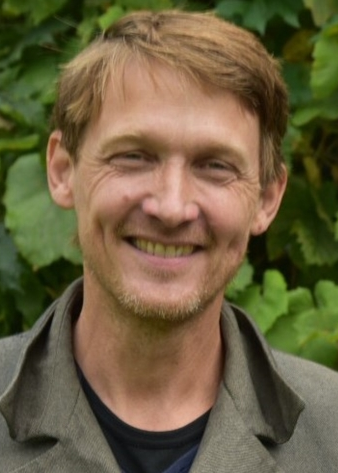
Richard Hougham
Convenor · Royal Central School of Speech and Drama
Richard Hougham is a Principal lecturer and Course Leader of the MA in Drama and Movement Therapy at the Royal Central School of Speech and Drama, University of London. He has a special interest in storytelling and the language of myth as part of the Sesame approach to dramatherapy and as a teaching pedagogy. He is currently Chair of the European Consortium of Arts Therapies Education (ECArTE). Richard continues to develop his interest in the connections between Analytical Psychology and the Arts.

Henri Seebohm
Committee Member
Henri is Honorary Research Fellow, Trainer, former Convenor MA Dramatherapy and Senior Lecturer at Roehampton University (2001-2022). Her clinical background is forensic mental health care within NHS and prison services and she co-edited and authored chapters in Dramatherapy and Destructiveness: Creating the Evidence base, Playing with Thanatos (Routledge, 2011). Henri provides Dramatherapy, individual and Team Clinical Supervision and Internal Family Systems, on-line, face-to-face, and in outside spaces. She supervises Therapists, AHP’s, and other professionals within NHS and Healthcare services, Education, Charity, and voluntary sectors, including Artists and Theatre Practitioners. Henri works with young people and adults with mental health, complex trauma and PTSD, special needs and autism, adult survivors of sexual abuse, domestic violence, refugees, addiction, bereavement, loss, and suicidality. Her approach is collaborative, creative, systemic, trauma-informed, and anti-discriminatory.

Kate Smith
Course representative · University of Derby

Stavroulla Demetriou
Course representative · Anglia Ruskin University
Stavroulla is Lead for Dramatherapy at Anglia Ruskin University. Her clinical background is in the areas of adult mental health, special needs and addiction. She pioneered dramatherapy in Cyprus, where she lived and worked for 15 years before returning to the UK. There she played a role in introducing arts therapies into the mental health services and worked to create a supportive community for arts therapists of all modalities. Her doctoral research is focused on exploring moments of intersection and the potential liminal space that is created, within the context of ritual embodied myth enactment in dramatherapy. She maintains a private practice for individual dramatherapy and supervision.

Stephanie Turner
Course representative · Queen Margaret University
Stephanie is Programme Leader on the newly validated MSc Dramatherapy at Queen Margaret University (Edinburgh), having co-established this programme with colleagues over the last four years. Her clinical background has been predominantly in NHS forensic mental health, working within a small arts therapies team and introducing dramatherapy and creative approaches to supervision in high secure care in Scotland. She continues to offer a perinatal mental health dramatherapy service, and is developing her research interests in this area, while maintaining reflective practice group work across several voluntary sector settings in Scotland.
Join this committee
BADth members can apply to join. Log in to write a few lines about yourself and send your request to the committee.
Resources
News and articles
Everything written for or about this committee, newest first: news, the E-News archive, The Prompt, CPD, the Journal.
 NewsThe Commission on counselling and psychotherapy: what it means for schools, colleges and universitiesNewsNewly qualified? Help shape our NQT webinar series
 NewsHost a BADth CPD: you have the wisdom, we have the platform
 NewsUpcoming CPD and events: November 2026NewsAHP Career Progression Study (University of Leicester)NewsBrunel University launches new Dramatherapy trainingNewsTraining Dramatherapy Interns in JohannesburgJournalCreative mentoring: A dramatherapeutic approach to supporting university students’ well-being during COVID-19 and beyondJournalLimbo state of mind: Reflections from a Sesame trainee dramatherapist ‘in the wake of being Black’NewsCoventry University AHP Return to Practice ProgrammeNewsBADth Position Statement Threat to Dramatherapy, and other creative therapy courses, at Roehampton UniversityThe PromptCelebrations at the University of DerbyThe Promptconsults MA Dramatherapy students BADth CPD Day: Neuro-Dramatic-Play
Some articles here are for BADth members. Log in to see them.
The Data tab is for BADth members.
Art, drama and music therapy trainee placements in the NHS
The list of current jobs is for BADth members.
Employing a dramatherapist to teach on a course
For universities and course leaders setting up a post on a dramatherapy training. It is written from BADth’s curriculum guidance, which sets what the HCPC-approved courses must provide in staffing, supervision and resources, and from the higher education adverts on this site. Pay here is on the university scale, not Agenda for Change.
Who you are employing
A lecturer on a dramatherapy course is a dramatherapist first: HCPC-registered, with extensive experience in the profession, who can manage student placements, carry tutorial responsibility, run training groups and workshops, lecture, and contribute to the direction of the course and its relationship with the profession. That is what the curriculum guidance requires of teaching staff, and it is why these posts ask for a dramatherapist rather than a generic academic.
- Staffing. A staff to student ratio of no less than one full-time-equivalent to twelve students; cohorts of no more than twenty; a sufficient mixture of academic and clinical expertise; a strong profile of visiting lecturers bringing specialist practice and research; substantial administrative support for both the academic and the clinical sides; and a staff team that works towards reflecting the communities the profession serves.
- Supervision. It is essential for the institution to fund the professional supervision of the core academic dramatherapy staff. Student placements need weekly supervision for every two days of practice, from a dramatherapist on the BADth register of supervisors.
- Time. Programme leadership must have specific time for its administrative and managerial functions, separate from teaching, placement co-ordination, admissions and research.
- Experiential work. A high proportion of the course must be experiential, and students take part in experiential work throughout; the staff who run it need the group skills and the supervision that implies.
Pay
Universities pay on their own scales, most of them built on the national 51-point pay spine, and grade posts by their own job evaluation: a lecturer is usually grade 7, a senior lecturer grade 8, a reader or head of discipline grade 9, and professors are on a separate scale. Visiting lecturers and group facilitators are paid per contact hour. Agenda for Change is still the yardstick, because it is what most applicants are paid now and what they give up to teach; but the comparison has to be made by the hour, because the university week is 35 hours against the NHS’s 37.5, the leave is longer (typically 35 days plus bank holidays and closure days against 27 rising to 33), the year is shaped by terms, and sessional staff are paid only for contact hours. On the annual figure a grade 7 lecturer looks like a Band 6; by the hour worked it sits at Band 7. A visiting lecturer’s £50 a contact hour looks generous until the preparation, marking and travel it has to cover are counted.
| Agenda for Change | A year | An hour | A day (7.5 hours) |
|---|---|---|---|
| Band 6 | £39,959 to £48,117 | £23.61 to £28.43 | £177 to £213 |
| Band 7 | £49,387 to £56,515 | £29.18 to £33.39 | £219 to £250 |
| Band 8a | £57,528 to £64,750 | £33.98 to £38.25 | £255 to £287 |
| Band 8b | £66,582 to £77,368 | £39.33 to £45.71 | £295 to £343 |
| Lecturer in Dramatherapy, Queen Margaret University, grade 8 (2022 advert), on a 35-hour university week | £39,739 to £50,296 | £26.69 to £33.78 | £200 to £253 |
| Lecturer/Senior Lecturer, Anglia Ruskin University (2021 advert), on a 35-hour university week | £34,304 to £50,296 | £23.04 to £33.78 | £173 to £253 |
| Head of Discipline: Therapeutic Arts, University of Derby (2025 advert), on a 35-hour university week | £58,863 to £73,579 | £39.53 to £49.42 | £297 to £371 |
| Visiting lecturer, Roehampton, £50.88 a contact hour: about £25 an hour if each contact hour takes an hour to prepare | £37,878 | £25.44 | £191 |
Agenda for Change England, Wales and Northern Ireland, 2026/27. The hour and the day are worked out on NHS terms: a 37.5-hour week, 27 days of annual leave and 8 bank holidays, about 1,693 hours a year. Set any other sector’s offer beside the hourly figure, because the year, the week and the leave all differ.
What the adverts on this site have offered: Lecturer in Dramatherapy, Queen Margaret University, grade 8, £39,739 to £50,296 pro rata with progression to £56,587 (2022); Lecturer/Senior Lecturer, Anglia Ruskin, £34,304 to £50,296 pro rata (2021); Head of Discipline: Therapeutic Arts, University of Derby, £58,863 to £73,579 with progression to £84,616 (2025); Head of Division of Occupational Therapy and Arts Therapies, Queen Margaret, £66,857 (2023); Visiting Lecturers, Roehampton, £50.88 a contact hour including holiday pay; Experiential Group Leader, Anglia Ruskin, about £48 an hour (2024); postdoctoral research posts, £33,966 to £44,264 (2024).
Most lecturer posts are part time and alongside practice, so quote the full-time salary and the pro rata figure, and say what practice time the post allows. A teaching qualification or Advance HE fellowship is usually required after appointment, with paid time to gain it.
Six roles on a dramatherapy course, with job descriptions, person specifications and job plans
Open a role, press Copy text or Download for Word, and replace anything in [square brackets]. The grades are the usual ones; each university fixes its own.
Visiting lecturer — Sessional, paid per contact hour
A practising dramatherapist, researcher or specialist who comes in to teach a topic the core staff do not cover: a client group, an approach, a research method. The curriculum guidance asks every course to keep a strong profile of visiting lecturers bringing specialist practice and research to the curriculum.
- Pay: Paid per contact hour on the university's associate or visiting lecturer rate, which should include preparation and holiday pay. Adverts on this site: Roehampton, £50.88 a contact hour including holiday pay; Anglia Ruskin, the associate lecturer hourly rate. Say in the advert what the hour covers (preparation, marking, travel) and how many hours a year the post is likely to be.
- Registration: HCPC-registered as a Dramatherapist (part of the Arts Therapist collective). A visiting lecturer teaching another discipline (psychiatry, neuroscience, research methods) is registered in that discipline instead.
A visiting lecturer is usually employed on a casual or associate contract and paid through the university's payroll, so they need the right to work in the UK and a contract that says how hours are offered and withdrawn. Give them the module outline, the cohort's stage and the room well before the day.
Job description
Job title: Visiting Lecturer in Dramatherapy
Grade: Sessional, paid per contact hour [give the grade and the salary range]
Hours: [number] contact hours a year, by agreement each term
Reports to: [Module leader / programme leader]
Base: [campus, and the placements or other sites the post travels to]
Registration: HCPC-registered as a Dramatherapist (part of the Arts Therapist collective). A visiting lecturer teaching another discipline (psychiatry, neuroscience, research methods) is registered in that discipline instead.
Job summary
To teach [topic] on the [MA / MSc] Dramatherapy at [university] as a visiting lecturer, bringing current specialist practice and research into the curriculum, and to assess student work where the module leader asks.
Teaching
- Plan and deliver [number] sessions on [topic] to [year group], working to the module outline and the learning outcomes the module leader sets.
- Teach experientially as well as didactically, so that students practise the skills the topic calls for.
- Provide reading lists, handouts and session plans in advance, in the formats the university requires for accessibility.
Assessment and feedback
- Mark or give formative feedback on student work where the module leader asks, within the university's deadlines and standards.
- Attend moderation and feedback meetings when asked.
Professional
- Keep HCPC registration (where the topic is dramatherapy practice) and the professional standards of the discipline taught.
- Keep the material taught current with practice, policy and research.
- Tell the module leader at once about any concern for a student's welfare or fitness to practise.
Standard statements
- Add the university's standard statements here: equality and diversity, health and safety, safeguarding, data protection, and the note that this job description is a guide to the main duties and may change.
Person specification
Person specification: Visiting Lecturer in Dramatherapy, Sessional, paid per contact hour
E = essential, D = desirable. How it is assessed: A = application, I = interview, T = presentation or teaching exercise, R = references and checks.
| Criteria | E / D | Assessed by |
|---|---|---|
| Qualifications and registration | ||
| Master's degree in Dramatherapy approved by the HCPC, or an equivalent qualification in the discipline taught | E | A, R |
| Registered with the HCPC as a Dramatherapist (part of the Arts Therapist collective), where the topic is dramatherapy practice | E | A, R |
| A teaching qualification or Advance HE fellowship | D | A |
| Experience | ||
| Substantial current practice, research or specialism in [topic] | E | A, I |
| Experience of teaching or training adults, including experiential work | E | A, I |
| Experience of marking at Master's level | D | A |
| Skills and knowledge | ||
| Able to plan and run a session that mixes theory, demonstration and practice | E | I, T |
| Able to hold a group of trainees working with personal and clinical material | E | I |
| Knowledge of the HCPC standards of proficiency for arts therapists and of BADth's curriculum guidance | D | I |
Workload for a full-time post
What the Training committee thinks is a reasonable job plan for this role in its sector, in hours of a 7-hour week. Set by BADth (a first draft from the Data tab, for the committee to check) on 3 November 2026.
| Activity | Hours a week | Share |
|---|---|---|
| Teaching contact: lectures, workshops, experiential sessions | 3 | 43% |
| Preparation, marking and feedback | 3 | 43% |
| Programme administration, boards, quality and approval work | 1 | 14% |
| Total | 7 | 100% |
Supervision
A visiting lecturer keeps their own supervision through their practice. The module leader should brief them before teaching and debrief afterwards, especially after experiential sessions.
Health economics: making the case for this post
For a university the economic case for a dramatherapy post is the workforce case: the courses are the only supply of new dramatherapists, and the course depends on enough qualified staff to run.
The need
- NHS England employed 581 full-time-equivalent qualified arts therapists in August 2026, up from 383 in 2019: demand has grown by half in seven years.
- BADth has seen 174 NHS adverts for dramatherapy and arts therapy posts since 2020; every one needs an HCPC-registered graduate of an approved course.
- 6,297 arts therapists were on the HCPC register on 1 October 2026, 337 more than in April 2025.
- BADth’s curriculum guidance requires a staff to student ratio of no less than one full-time-equivalent to twelve students and cohorts of no more than twenty.
What this post costs
Paid per contact hour on the university's associate or visiting lecturer rate, which should include preparation and holiday pay. Adverts on this site: Roehampton, £50.88 a contact hour including holiday pay; Anglia Ruskin, the associate lecturer hourly rate. Say in the advert what the hour covers (preparation, marking, travel) and how many hours a year the post is likely to be.
Add the university’s on-costs (National Insurance and pension) and overheads for the full cost of the post.
What it saves or adds
- Fee income: each staff post makes a viable cohort possible; without enough qualified staff a course cannot meet the HCPC standards or BADth accreditation.
- Placements: in England the placement tariff now funds NHS placements, which helps a course find placements and providers take students.
- Research: research-active staff bring external income and build the evidence that commissioners ask for.
- This role: Brings specialist practice and research into the curriculum at sessional cost, without the overheads of a permanent post.
How to show it
Show recruitment and completion rates, graduate employment as dramatherapists, placement supply, student satisfaction, and research income and outputs.
Sources
- The Higher education (teaching dramatherapy) Data tab: the adverts BADth has seen and the official statistics it reads, with their dates
First drafted by BADth on 3 November 2026 from the Data tab and published sources, for the committee to check and change.
Examples and further reading
Experiential (process) group facilitator — Sessional, weekly through the academic year
A dramatherapist who runs the weekly experiential or process group for a cohort: the place where students meet dramatherapy from the inside and work with what the training stirs up. The curriculum guidance requires students to take part in experiential work throughout their training, and a high proportion of the course to be experiential.
- Pay: Sessional, usually one fixed slot a week through the teaching year. Adverts on this site: Anglia Ruskin, about £48 an hour for a weekly Tuesday group (2024), and the associate lecturer rate for an earlier post. Pay for the group itself plus preparation and the facilitator's own supervision, and say which weeks are paid.
- Registration: HCPC-registered as a Dramatherapist (part of the Arts Therapist collective).
The facilitator is usually kept apart from marking and assessment of the students in the group, so the group can be used freely; say in the advert and the contract where the boundary lies and what the facilitator reports to the course (attendance and concerns for welfare or fitness to practise, not content). The curriculum guidance makes it essential for the institution to fund the professional supervision of core dramatherapy staff; the same applies to this post.
Job description
Job title: Experiential Group Facilitator, [MA / MSc] Dramatherapy
Grade: Sessional, weekly through the academic year [give the grade and the salary range]
Hours: [number] hours a week in teaching weeks, [number] weeks a year
Reports to: [Programme leader]
Base: [campus, and the placements or other sites the post travels to]
Registration: HCPC-registered as a Dramatherapist (part of the Arts Therapist collective).
Job summary
To facilitate the weekly experiential dramatherapy group for [year group] on the [MA / MSc] Dramatherapy at [university], so that students experience the dramatherapy process as participants and develop the personal awareness the training requires.
The group
- Plan and facilitate a weekly [length] experiential dramatherapy group for a cohort of up to [number] students, through the [number]-week teaching year.
- Hold the group's boundaries: time, confidentiality, membership and the agreement about what is shared with the course.
- Work with the material the training raises in students, using dramatherapy methods, and model the practice the course teaches.
Working with the course
- Report attendance and raise any concern for a student's welfare or fitness to practise with the programme leader at once, within the agreed boundary.
- Meet the programme leader [termly] to review the group, and attend the staff meetings the role needs.
- Take no part in the summative assessment of the students in the group, unless the course has agreed otherwise in writing.
Professional
- Keep HCPC registration, BADth's Code of Practice, and regular clinical supervision for the group, funded by the university.
- Keep continuing professional development in group work and training.
Standard statements
- Add the university's standard statements here: equality and diversity, health and safety, safeguarding, data protection, and the note that this job description is a guide to the main duties and may change.
Person specification
Person specification: Experiential Group Facilitator, [MA / MSc] Dramatherapy, Sessional, weekly through the academic year
E = essential, D = desirable. How it is assessed: A = application, I = interview, T = presentation or teaching exercise, R = references and checks.
| Criteria | E / D | Assessed by |
|---|---|---|
| Qualifications and registration | ||
| Master's degree in Dramatherapy approved by the HCPC | E | A, R |
| Registered with the HCPC as a Dramatherapist (part of the Arts Therapist collective) | E | A, R |
| Further training in group analysis, group psychotherapy or psychodrama | D | A |
| Experience | ||
| Substantial experience of running dramatherapy groups, including long-term groups | E | A, I |
| Experience of experiential or training groups with adult learners or trainee therapists | E | A, I |
| Experience of working within a training institution | D | A |
| Skills and knowledge | ||
| Able to hold a group through conflict, dependency and endings | E | I |
| Clear about confidentiality and the boundary between a training group and the course's assessment | E | I |
| Own clinical supervision in place, with a supervisor on the BADth register | E | A, R |
Workload for a full-time post
What the Training committee thinks is a reasonable job plan for this role in its sector, in hours of a 6-hour week. Set by BADth (a first draft from the Data tab, for the committee to check) on 3 November 2026.
| Activity | Hours a week | Share |
|---|---|---|
| Teaching contact: lectures, workshops, experiential sessions | 3 | 50% |
| Preparation, marking and feedback | 1 | 17% |
| Programme administration, boards, quality and approval work | 0.5 | 8% |
| Clinical supervision received, and CPD | 1.5 | 25% |
| Total | 6 | 100% |
Supervision
Facilitating a training group stirs the facilitator’s own material. The university should pay for supervision of the group work, separate from the facilitator’s practice supervision, and the facilitator should have no assessment role with the same students.
The workload allows 1.5 hours a week for supervision and CPD.
Health economics: making the case for this post
For a university the economic case for a dramatherapy post is the workforce case: the courses are the only supply of new dramatherapists, and the course depends on enough qualified staff to run.
The need
- NHS England employed 581 full-time-equivalent qualified arts therapists in August 2026, up from 383 in 2019: demand has grown by half in seven years.
- BADth has seen 174 NHS adverts for dramatherapy and arts therapy posts since 2020; every one needs an HCPC-registered graduate of an approved course.
- 6,297 arts therapists were on the HCPC register on 1 October 2026, 337 more than in April 2025.
- BADth’s curriculum guidance requires a staff to student ratio of no less than one full-time-equivalent to twelve students and cohorts of no more than twenty.
What this post costs
Sessional, usually one fixed slot a week through the teaching year. Adverts on this site: Anglia Ruskin, about £48 an hour for a weekly Tuesday group (2024), and the associate lecturer rate for an earlier post. Pay for the group itself plus preparation and the facilitator's own supervision, and say which weeks are paid.
Add the university’s on-costs (National Insurance and pension) and overheads for the full cost of the post.
What it saves or adds
- Fee income: each staff post makes a viable cohort possible; without enough qualified staff a course cannot meet the HCPC standards or BADth accreditation.
- Placements: in England the placement tariff now funds NHS placements, which helps a course find placements and providers take students.
- Research: research-active staff bring external income and build the evidence that commissioners ask for.
- This role: Runs the experiential groups the curriculum guidance and the HCPC standards require, at sessional cost.
How to show it
Show recruitment and completion rates, graduate employment as dramatherapists, placement supply, student satisfaction, and research income and outputs.
Sources
- The Higher education (teaching dramatherapy) Data tab: the adverts BADth has seen and the official statistics it reads, with their dates
First drafted by BADth on 3 November 2026 from the Data tab and published sources, for the committee to check and change.
Examples and further reading
Lecturer — University grade 7 (some universities grade 8)
The core teaching post on a course. A dramatherapist with extensive experience who teaches, tutors, marks, supports placements and contributes to the direction of the course, usually alongside their own practice. The curriculum guidance says teaching staff must include dramatherapists capable of managing student placements, tutorial responsibility, training groups and workshops, lecturing, and the course's relationship with the profession.
- Pay: On the university's own scale (most use the national 51-point pay spine), not Agenda for Change. Adverts on this site: Anglia Ruskin, Lecturer/Senior Lecturer, £34,304 to £50,296 pro rata (2021); Queen Margaret, Lecturer in Dramatherapy, grade 8, £39,739 to £50,296 with progression to £56,587 pro rata (2022). Posts are often part time, so quote the full-time salary and the pro rata figure.
- Registration: HCPC-registered as a Dramatherapist (part of the Arts Therapist collective).
Most lecturers keep a day or more of practice, which keeps the teaching current and keeps their registration meaningful; write that into the contract rather than leaving it to goodwill. A teaching qualification or Advance HE fellowship is usually required after appointment, with time to get it. The curriculum guidance sets a staff to student ratio of at least one full-time-equivalent to twelve students and cohorts of no more than twenty, and makes it essential for the institution to fund the clinical supervision of core dramatherapy staff.
Job description
Job title: Lecturer in Dramatherapy
Grade: University grade 7 (some universities grade 8) [give the grade and the salary range]
Hours: [35 / 37] hours a week, [full time / 0.x FTE], [permanent / fixed term]
Reports to: [Programme leader / head of department]
Base: [campus, and the placements or other sites the post travels to]
Registration: HCPC-registered as a Dramatherapist (part of the Arts Therapist collective).
Job summary
To teach, assess and tutor on the [MA / MSc] Dramatherapy at [university] as an HCPC-registered dramatherapist with extensive experience in the profession; to support students' clinical placements; and to contribute to the development of the course and its relationship with the profession, the HCPC and BADth.
Teaching and learning
- Design and deliver modules in dramatherapy theory, practice and research across the programme, teaching experientially as well as didactically.
- Lead modules as allocated, including the module handbook, reading, assessment design and moderation.
- Mark and give feedback on experiential, practical and written work at Master's level, within the university's regulations.
- Act as personal tutor to [number] students, meeting them regularly to monitor progress and personal development, as the curriculum guidance requires.
Placements
- Act as university link tutor for students on clinical placement: visit or meet placement supervisors and managers, review placement agreements, and gather supervisors' feedback for assessment.
- Help find and approve placements that meet the guidance (a minimum of 100 sessions of practice over the course, weekly supervision for every two days of practice, supervision from a dramatherapist on the BADth register).
- Contribute to the placement handbook and to annual training for placement supervisors.
Scholarship, research and practice
- Keep own dramatherapy practice [one day a week, or as agreed], HCPC registration and clinical supervision, funded by the university.
- Keep up to date with clinical and arts-based practice, policy and research, and publish or present where possible.
- Supervise Master's dissertations.
The course and the profession
- Take part in admissions, including interviews and auditions.
- Contribute to HCPC approval and monitoring, BADth accreditation, validation and annual review.
- Attend programme, department and examination boards, and represent the course to BADth, the HCPC and placement providers as asked.
Working conditions
- Teaching includes experiential and movement-based work in a studio, and holding students working with personal and clinical material.
- Work at [campus], with travel to placements and to [other sites].
Standard statements
- Add the university's standard statements here: equality and diversity, health and safety, safeguarding, data protection, and the note that this job description is a guide to the main duties and may change.
Person specification
Person specification: Lecturer in Dramatherapy, University grade 7 (some universities grade 8)
E = essential, D = desirable. How it is assessed: A = application, I = interview, T = presentation or teaching exercise, R = references and checks.
| Criteria | E / D | Assessed by |
|---|---|---|
| Qualifications and registration | ||
| Master's degree in Dramatherapy approved by the HCPC | E | A, R |
| Registered with the HCPC as a Dramatherapist (part of the Arts Therapist collective) | E | A, R |
| A teaching qualification or Advance HE fellowship, or willingness to gain one within [two years] | E | A, I |
| A doctorate, or doctoral study in progress | D | A |
| Membership of BADth | D | A |
| Experience | ||
| Extensive post-qualification dramatherapy practice with [client groups], including group work | E | A, I |
| Experience of teaching, training or supervising at postgraduate level, including experiential teaching | E | A, I, T |
| Experience of supervising or supporting students on placement | E | A, I |
| Experience of assessment and moderation at Master's level | D | A, I |
| Research or publication in dramatherapy or a related field | D | A |
| Skills and knowledge | ||
| Thorough knowledge of the HCPC standards of proficiency and education and training, and of BADth's curriculum guidance | E | I |
| Able to design a module, teach it and assess it, in person and online | E | I, T |
| Able to support students whose training raises personal and emotional material, and to act on concerns about welfare and fitness to practise | E | I |
| Committed to inclusive teaching and to widening the profile of the profession | E | I |
| Other | ||
| Satisfactory enhanced DBS check | E | R |
| Own clinical supervision in place | E | A, R |
Workload for a full-time post
What the Training committee thinks is a reasonable job plan for this role in its sector, in hours of a 35-hour week. Set by BADth (a first draft from the Data tab, for the committee to check) on 3 November 2026.
| Activity | Hours a week | Share |
|---|---|---|
| Teaching contact: lectures, workshops, experiential sessions | 9 | 26% |
| Preparation, marking and feedback | 8 | 23% |
| Personal tutoring and pastoral support | 4 | 11% |
| Placement co-ordination, link-tutor visits and supervisor liaison | 4 | 11% |
| Admissions, interviews and auditions | 1.5 | 4% |
| Programme administration, boards, quality and approval work | 2.5 | 7% |
| Research, scholarship and writing | 3.5 | 10% |
| Clinical supervision received, and CPD | 2.5 | 7% |
| Total | 35 | 100% |
Supervision
BADth’s curriculum guidance makes it essential that the university funds the professional supervision of its core dramatherapy staff. Put it in the workload as paid time and budget for an external supervisor from the BADth register. Most lecturers also practise, and their practice supervision continues.
The workload allows 2.5 hours a week for supervision and CPD.
Health economics: making the case for this post
For a university the economic case for a dramatherapy post is the workforce case: the courses are the only supply of new dramatherapists, and the course depends on enough qualified staff to run.
The need
- NHS England employed 581 full-time-equivalent qualified arts therapists in August 2026, up from 383 in 2019: demand has grown by half in seven years.
- BADth has seen 174 NHS adverts for dramatherapy and arts therapy posts since 2020; every one needs an HCPC-registered graduate of an approved course.
- 6,297 arts therapists were on the HCPC register on 1 October 2026, 337 more than in April 2025.
- BADth’s curriculum guidance requires a staff to student ratio of no less than one full-time-equivalent to twelve students and cohorts of no more than twenty.
What this post costs
On the university's own scale (most use the national 51-point pay spine), not Agenda for Change. Adverts on this site: Anglia Ruskin, Lecturer/Senior Lecturer, £34,304 to £50,296 pro rata (2021); Queen Margaret, Lecturer in Dramatherapy, grade 8, £39,739 to £50,296 with progression to £56,587 pro rata (2022). Posts are often part time, so quote the full-time salary and the pro rata figure.
Add the university’s on-costs (National Insurance and pension) and overheads for the full cost of the post.
What it saves or adds
- Fee income: each staff post makes a viable cohort possible; without enough qualified staff a course cannot meet the HCPC standards or BADth accreditation.
- Placements: in England the placement tariff now funds NHS placements, which helps a course find placements and providers take students.
- Research: research-active staff bring external income and build the evidence that commissioners ask for.
- This role: Each full-time lecturer supports up to twelve students under the curriculum guidance, so each post makes part of a cohort possible.
How to show it
Show recruitment and completion rates, graduate employment as dramatherapists, placement supply, student satisfaction, and research income and outputs.
Sources
- The Higher education (teaching dramatherapy) Data tab: the adverts BADth has seen and the official statistics it reads, with their dates
First drafted by BADth on 3 November 2026 from the Data tab and published sources, for the committee to check and change.
Examples and further reading
Senior lecturer and programme leader — University grade 8 (grade 9 where the post leads a discipline)
The dramatherapist who leads the course: its curriculum, staff, students, placements, admissions, and its standing with the HCPC and BADth. The curriculum guidance says specific time must be allocated for the administrative and managerial functions of programme leadership, as distinct from academic duties, placement co-ordination, admissions and research.
- Pay: On the university's own scale, usually grade 8; where the post also heads a discipline or division, grade 9 or above. Adverts on this site: Anglia Ruskin, Lecturer/Senior Lecturer to £50,296 (2021); Derby, Head of Discipline: Therapeutic Arts, £58,863 to £73,579 with progression to £84,616 (2025); Queen Margaret, Head of Division of Occupational Therapy and Arts Therapies, £66,857 (2023).
- Registration: HCPC-registered as a Dramatherapist (part of the Arts Therapist collective).
A programme leader carries the course's HCPC approval. Protect the leadership time in the workload model, and keep the leader a dramatherapist: the guidance expects the course to be directed from within the profession, with a sufficient mixture of academic and clinical expertise in the team. The institution must consult the programme leader fully about any institutional change that affects delivery.
Job description
Job title: Senior Lecturer and Programme Leader, [MA / MSc] Dramatherapy
Grade: University grade 8 (grade 9 where the post leads a discipline) [give the grade and the salary range]
Hours: [35 / 37] hours a week, [full time / 0.x FTE], permanent
Reports to: [Head of department / head of school]
Base: [campus, and the placements or other sites the post travels to]
Registration: HCPC-registered as a Dramatherapist (part of the Arts Therapist collective).
Job summary
To lead the [MA / MSc] Dramatherapy at [university]: its academic standards, curriculum, staff team, admissions, placements and quality assurance; to teach and assess on it; and to maintain its approval by the HCPC and accreditation by BADth.
Leading the programme
- Lead the design, delivery, review and development of the curriculum in line with the HCPC standards of education and training, the standards of proficiency for arts therapists, and BADth's curriculum guidance.
- Lead and line-manage the core dramatherapy staff, allocate workload, and secure a strong profile of visiting lecturers.
- Lead admissions, including interviews and auditions, and selection that widens the profile of the profession.
- Own the programme handbook, placement handbook and the student support arrangements the guidance requires.
Quality, approval and accreditation
- Lead HCPC approval, monitoring and major change processes, BADth accreditation, validation and annual monitoring.
- Chair or attend programme committees, boards of examiners and staff-student liaison, and act on student feedback and external examiners' reports.
- Report to the head of department on the programme's performance, resources and risks.
Placements
- Lead the placement system: placement agreements with providers, approval of placements against the guidance, supervisor training, and the link-tutor arrangements.
- Work with placement providers and NHS England on placement capacity and funding, including the placement tariff.
Teaching, research and practice
- Teach, tutor and assess on the programme, with a reduced load that reflects the leadership role.
- Keep own practice, HCPC registration and clinical supervision, funded by the university, and contribute to research and scholarship.
The profession
- Represent the course to BADth (including the Training Committee), the HCPC, other training providers and employers.
Standard statements
- Add the university's standard statements here: equality and diversity, health and safety, safeguarding, data protection, and the note that this job description is a guide to the main duties and may change.
Person specification
Person specification: Senior Lecturer and Programme Leader, [MA / MSc] Dramatherapy, University grade 8 (grade 9 where the post leads a discipline)
E = essential, D = desirable. How it is assessed: A = application, I = interview, T = presentation or teaching exercise, R = references and checks.
| Criteria | E / D | Assessed by |
|---|---|---|
| Qualifications and registration | ||
| Master's degree in Dramatherapy approved by the HCPC | E | A, R |
| Registered with the HCPC as a Dramatherapist (part of the Arts Therapist collective) | E | A, R |
| Advance HE fellowship or a teaching qualification | E | A |
| A doctorate | D | A |
| Experience | ||
| Substantial experience of teaching and assessing on an HCPC-approved dramatherapy or arts therapies course | E | A, I |
| Experience of leading a programme, a module set or a team in higher education | E | A, I |
| Experience of HCPC approval or monitoring, validation or professional accreditation | E | A, I |
| Experience of managing clinical placements and placement partnerships | E | A, I |
| Extensive post-qualification dramatherapy practice | E | A, I |
| Skills and knowledge | ||
| Detailed knowledge of the HCPC standards and of BADth's curriculum guidance | E | I |
| Able to lead and develop staff, manage workload and resources, and work with university systems | E | I |
| Able to represent the course and the profession to regulators, employers and the public | E | I, T |
| Other | ||
| Satisfactory enhanced DBS check | E | R |
Workload for a full-time post
What the Training committee thinks is a reasonable job plan for this role in its sector, in hours of a 35-hour week. Set by BADth (a first draft from the Data tab, for the committee to check) on 3 November 2026.
| Activity | Hours a week | Share |
|---|---|---|
| Teaching contact: lectures, workshops, experiential sessions | 6 | 17% |
| Preparation, marking and feedback | 5 | 14% |
| Personal tutoring and pastoral support | 3 | 9% |
| Placement co-ordination, link-tutor visits and supervisor liaison | 3 | 9% |
| Admissions, interviews and auditions | 3 | 9% |
| Programme administration, boards, quality and approval work | 8 | 23% |
| Research, scholarship and writing | 4 | 11% |
| Clinical supervision received, and CPD | 3 | 9% |
| Total | 35 | 100% |
Supervision
BADth’s curriculum guidance makes it essential that the university funds the professional supervision of its core dramatherapy staff. Put it in the workload as paid time and budget for an external supervisor from the BADth register. A programme leader also carries the course’s risk and student welfare, so allow time for consultation as well as clinical supervision.
The workload allows 3 hours a week for supervision and CPD.
Health economics: making the case for this post
For a university the economic case for a dramatherapy post is the workforce case: the courses are the only supply of new dramatherapists, and the course depends on enough qualified staff to run.
The need
- NHS England employed 581 full-time-equivalent qualified arts therapists in August 2026, up from 383 in 2019: demand has grown by half in seven years.
- BADth has seen 174 NHS adverts for dramatherapy and arts therapy posts since 2020; every one needs an HCPC-registered graduate of an approved course.
- 6,297 arts therapists were on the HCPC register on 1 October 2026, 337 more than in April 2025.
- BADth’s curriculum guidance requires a staff to student ratio of no less than one full-time-equivalent to twelve students and cohorts of no more than twenty.
What this post costs
On the university's own scale, usually grade 8; where the post also heads a discipline or division, grade 9 or above. Adverts on this site: Anglia Ruskin, Lecturer/Senior Lecturer to £50,296 (2021); Derby, Head of Discipline: Therapeutic Arts, £58,863 to £73,579 with progression to £84,616 (2025); Queen Margaret, Head of Division of Occupational Therapy and Arts Therapies, £66,857 (2023).
Add the university’s on-costs (National Insurance and pension) and overheads for the full cost of the post.
What it saves or adds
- Fee income: each staff post makes a viable cohort possible; without enough qualified staff a course cannot meet the HCPC standards or BADth accreditation.
- Placements: in England the placement tariff now funds NHS placements, which helps a course find placements and providers take students.
- Research: research-active staff bring external income and build the evidence that commissioners ask for.
- This role: Keeps the course approved by the HCPC and accredited by BADth, and recruits the cohorts the course’s income depends on.
How to show it
Show recruitment and completion rates, graduate employment as dramatherapists, placement supply, student satisfaction, and research income and outputs.
Sources
- The Higher education (teaching dramatherapy) Data tab: the adverts BADth has seen and the official statistics it reads, with their dates
First drafted by BADth on 3 November 2026 from the Data tab and published sources, for the committee to check and change.
Examples and further reading
Reader, associate professor and professor — University grade 9 and the professorial scale
The senior academic posts: a reader or associate professor leads research and doctoral supervision in the discipline; a professor leads it nationally and internationally, and often the department. There are few in dramatherapy, and they matter for the profession's research base and its standing in the university.
- Pay: Grade 9 for a reader or associate professor; professors are on a separate professorial scale and the salary is negotiated. The Derby and Queen Margaret head-of-discipline posts above (to £84,616 and £66,857) show the range for a post that leads the discipline. The one professorship on this site, at Nürtingen-Geislingen in Germany, did not give a salary.
- Registration: HCPC-registered as a Dramatherapist (part of the Arts Therapist collective). A head of a division spanning several professions may be registered in another of them.
Appoint for research leadership as much as teaching: the post should build doctoral supervision, grant income and publication in dramatherapy, and give the course a research culture the HCPC and the universities' research assessment expect. Keep the practice link: the guidance wants course tutors up to date with clinical and arts-based practice as well as policy and research.
Job description
Job title: Professor of Dramatherapy
Grade: University grade 9 and the professorial scale [give the grade and the salary range]
Hours: [35 / 37] hours a week, [full time / 0.x FTE], permanent
Reports to: [Head of school / dean]
Base: [campus, and the placements or other sites the post travels to]
Registration: HCPC-registered as a Dramatherapist (part of the Arts Therapist collective). A head of a division spanning several professions may be registered in another of them.
Job summary
To provide academic and research leadership in dramatherapy at [university]: to lead and grow research, doctoral supervision and external funding in the discipline; to contribute to the leadership and teaching of the [MA / MSc] Dramatherapy; and to represent the discipline nationally and internationally.
Research leadership
- Lead a programme of research in dramatherapy, win external funding, publish in peer-reviewed journals and present internationally.
- Supervise doctoral students and examine doctorates, and mentor staff towards research degrees and publication.
- Lead the discipline's contribution to research assessment and to the university's research strategy.
Academic leadership
- Contribute to the leadership of the department, including the strategy for the arts therapies, staff development and the profile of the discipline.
- Teach and assess at Master's and doctoral level, with a load that reflects the research and leadership role.
- Build partnerships with the NHS, education, the voluntary sector and other universities, in the UK and abroad.
The profession
- Represent the discipline to BADth, the HCPC, funders and policy makers; advise on policy, guidance and evidence.
- Keep HCPC registration and the connection to practice the curriculum guidance expects of course tutors.
Standard statements
- Add the university's standard statements here: equality and diversity, health and safety, safeguarding, data protection, and the note that this job description is a guide to the main duties and may change.
Person specification
Person specification: Professor of Dramatherapy, University grade 9 and the professorial scale
E = essential, D = desirable. How it is assessed: A = application, I = interview, T = presentation or teaching exercise, R = references and checks.
| Criteria | E / D | Assessed by |
|---|---|---|
| Qualifications and registration | ||
| A doctorate in dramatherapy or a closely related field | E | A |
| Master's degree in Dramatherapy approved by the HCPC, and HCPC registration as a Dramatherapist (part of the Arts Therapist collective) | E | A, R |
| Advance HE senior or principal fellowship | D | A |
| Experience | ||
| A sustained record of published research in dramatherapy or the arts therapies at international standard | E | A, I |
| A record of winning research funding and of leading research projects | E | A, I |
| Completed doctoral supervisions | E | A |
| Experience of academic leadership in higher education | E | A, I |
| Skills and knowledge | ||
| Able to set a research direction for a discipline and bring others with it | E | I, T |
| Knowledge of research assessment, funding bodies and research ethics in health | E | I |
| Standing in the profession, nationally and internationally | E | A, I |
Workload for a full-time post
What the Training committee thinks is a reasonable job plan for this role in its sector, in hours of a 35-hour week. Set by BADth (a first draft from the Data tab, for the committee to check) on 3 November 2026.
| Activity | Hours a week | Share |
|---|---|---|
| Teaching contact: lectures, workshops, experiential sessions | 4 | 11% |
| Preparation, marking and feedback | 3.5 | 10% |
| Personal tutoring and pastoral support | 2 | 6% |
| Admissions, interviews and auditions | 1.5 | 4% |
| Programme administration, boards, quality and approval work | 6 | 17% |
| Research, scholarship and writing | 16 | 46% |
| Clinical supervision received, and CPD | 2 | 6% |
| Total | 35 | 100% |
Supervision
BADth’s curriculum guidance makes it essential that the university funds the professional supervision of its core dramatherapy staff. Put it in the workload as paid time and budget for an external supervisor from the BADth register. Research supervision of doctoral students needs its own time in the workload.
The workload allows 2 hours a week for supervision and CPD.
Health economics: making the case for this post
For a university the economic case for a dramatherapy post is the workforce case: the courses are the only supply of new dramatherapists, and the course depends on enough qualified staff to run.
The need
- NHS England employed 581 full-time-equivalent qualified arts therapists in August 2026, up from 383 in 2019: demand has grown by half in seven years.
- BADth has seen 174 NHS adverts for dramatherapy and arts therapy posts since 2020; every one needs an HCPC-registered graduate of an approved course.
- 6,297 arts therapists were on the HCPC register on 1 October 2026, 337 more than in April 2025.
- BADth’s curriculum guidance requires a staff to student ratio of no less than one full-time-equivalent to twelve students and cohorts of no more than twenty.
What this post costs
Grade 9 for a reader or associate professor; professors are on a separate professorial scale and the salary is negotiated. The Derby and Queen Margaret head-of-discipline posts above (to £84,616 and £66,857) show the range for a post that leads the discipline. The one professorship on this site, at Nürtingen-Geislingen in Germany, did not give a salary.
Add the university’s on-costs (National Insurance and pension) and overheads for the full cost of the post.
What it saves or adds
- Fee income: each staff post makes a viable cohort possible; without enough qualified staff a course cannot meet the HCPC standards or BADth accreditation.
- Placements: in England the placement tariff now funds NHS placements, which helps a course find placements and providers take students.
- Research: research-active staff bring external income and build the evidence that commissioners ask for.
- This role: Brings research income and the evidence base that services need to make their own case for dramatherapy.
How to show it
Show recruitment and completion rates, graduate employment as dramatherapists, placement supply, student satisfaction, and research income and outputs.
Sources
- The Higher education (teaching dramatherapy) Data tab: the adverts BADth has seen and the official statistics it reads, with their dates
First drafted by BADth on 3 November 2026 from the Data tab and published sources, for the committee to check and change.
Examples and further reading
Research fellow or teaching fellow — University grade 6 to 7, usually fixed term
A research fellow works on a funded project: recruiting, delivering or evaluating dramatherapy, analysing data, writing up. A teaching fellow teaches and tutors without the research expectation of a lecturer. Both are usually fixed term and tied to a grant or a cohort.
- Pay: On the university's own scale, grade 6 or 7. Adverts on this site: Arts4us (Edge Hill), Postdoctoral Research Fellow in Arts, Health and Therapy, £33,966 to £42,978 (2024), and Postdoctoral Research Associate (Liverpool), £38,205 to £44,264 pro rata (2024); Exeter, Postdoctoral Research Fellow, from £41,732 (2024). Fixed-term posts should say what happens at the end of the grant.
- Registration: For a research post, HCPC registration as a Dramatherapist (part of the Arts Therapist collective) is essential when the role delivers or supervises dramatherapy with participants, and desirable otherwise. For a teaching fellow it is essential.
Where the fellow delivers dramatherapy within a study, the trial's sponsor and the university must provide clinical supervision, indemnity, DBS checks and an honorary contract with the host service; budget for them in the grant. Where the fellow is a dramatherapist doing non-clinical research, keep their registration alive with a practice link.
Job description
Job title: [Postdoctoral] Research Fellow in Dramatherapy
Grade: University grade 6 to 7, usually fixed term [give the grade and the salary range]
Hours: [35 / 37] hours a week, [full time / 0.x FTE], fixed term to [date]
Reports to: [Principal investigator / programme leader]
Base: [campus, and the placements or other sites the post travels to]
Registration: For a research post, HCPC registration as a Dramatherapist (part of the Arts Therapist collective) is essential when the role delivers or supervises dramatherapy with participants, and desirable otherwise. For a teaching fellow it is essential.
Job summary
To work on [project] at [university] as a research fellow: to [recruit participants, deliver the dramatherapy intervention, collect and analyse data, and write up and disseminate findings], under the direction of the principal investigator, and to contribute to the teaching of the [MA / MSc] Dramatherapy where agreed.
Research
- Carry out the research as the protocol sets out: ethics applications, recruitment, data collection, intervention delivery where the role includes it, analysis and reporting.
- Keep research records and data to the sponsor's and the university's standards, including data protection and research governance.
- Write papers, reports and conference presentations with the team, and contribute to grant applications.
Teaching (where agreed)
- Contribute to teaching and tutoring on the dramatherapy programme, and supervise Master's dissertations related to the project.
Professional
- Keep HCPC registration and clinical supervision where the role delivers dramatherapy; keep research training and CPD current.
Standard statements
- Add the university's standard statements here: equality and diversity, health and safety, safeguarding, data protection, and the note that this job description is a guide to the main duties and may change.
Person specification
Person specification: [Postdoctoral] Research Fellow in Dramatherapy, University grade 6 to 7, usually fixed term
E = essential, D = desirable. How it is assessed: A = application, I = interview, T = presentation or teaching exercise, R = references and checks.
| Criteria | E / D | Assessed by |
|---|---|---|
| Qualifications and registration | ||
| A doctorate in a relevant field, or submission imminent (for a postdoctoral post) | E | A |
| Master's degree in Dramatherapy approved by the HCPC, and HCPC registration as a Dramatherapist (part of the Arts Therapist collective), where the role delivers or supervises dramatherapy | E | A, R |
| Research methods training in [qualitative / quantitative / mixed] methods | E | A, I |
| Experience | ||
| Experience of research with [population] in health, education or community settings | E | A, I |
| Experience of delivering dramatherapy or arts-based interventions within a study | D | A, I |
| Publication or conference presentation | D | A |
| Skills and knowledge | ||
| Able to manage a research workload to deadlines and to the protocol | E | I |
| Knowledge of research ethics and governance in the NHS and universities | E | I |
| Able to write for publication | E | A, T |
Workload for a full-time post
What the Training committee thinks is a reasonable job plan for this role in its sector, in hours of a 35-hour week. Set by BADth (a first draft from the Data tab, for the committee to check) on 3 November 2026.
| Activity | Hours a week | Share |
|---|---|---|
| Teaching contact: lectures, workshops, experiential sessions | 3 | 9% |
| Preparation, marking and feedback | 3 | 9% |
| Personal tutoring and pastoral support | 2 | 6% |
| Programme administration, boards, quality and approval work | 3 | 9% |
| Research, scholarship and writing | 22 | 63% |
| Clinical supervision received, and CPD | 2 | 6% |
| Total | 35 | 100% |
Supervision
A research fellow who sees participants therapeutically needs clinical supervision, paid for from the research budget; one who does not still needs research supervision and a named mentor.
The workload allows 2 hours a week for supervision and CPD.
Health economics: making the case for this post
For a university the economic case for a dramatherapy post is the workforce case: the courses are the only supply of new dramatherapists, and the course depends on enough qualified staff to run.
The need
- NHS England employed 581 full-time-equivalent qualified arts therapists in August 2026, up from 383 in 2019: demand has grown by half in seven years.
- BADth has seen 174 NHS adverts for dramatherapy and arts therapy posts since 2020; every one needs an HCPC-registered graduate of an approved course.
- 6,297 arts therapists were on the HCPC register on 1 October 2026, 337 more than in April 2025.
- BADth’s curriculum guidance requires a staff to student ratio of no less than one full-time-equivalent to twelve students and cohorts of no more than twenty.
What this post costs
On the university's own scale, grade 6 or 7. Adverts on this site: Arts4us (Edge Hill), Postdoctoral Research Fellow in Arts, Health and Therapy, £33,966 to £42,978 (2024), and Postdoctoral Research Associate (Liverpool), £38,205 to £44,264 pro rata (2024); Exeter, Postdoctoral Research Fellow, from £41,732 (2024). Fixed-term posts should say what happens at the end of the grant.
Add the university’s on-costs (National Insurance and pension) and overheads for the full cost of the post.
What it saves or adds
- Fee income: each staff post makes a viable cohort possible; without enough qualified staff a course cannot meet the HCPC standards or BADth accreditation.
- Placements: in England the placement tariff now funds NHS placements, which helps a course find placements and providers take students.
- Research: research-active staff bring external income and build the evidence that commissioners ask for.
- This role: Usually externally funded, so it adds research capacity at little cost to the course, and builds the evidence base.
How to show it
Show recruitment and completion rates, graduate employment as dramatherapists, placement supply, student satisfaction, and research income and outputs.
Sources
- The Higher education (teaching dramatherapy) Data tab: the adverts BADth has seen and the official statistics it reads, with their dates
First drafted by BADth on 3 November 2026 from the Data tab and published sources, for the committee to check and change.
Examples and further reading
The studio and resources
The curriculum guidance lists what a training institution must provide, and a new post should be able to count on it:
- Studio space for workshops and performances, of appropriate size, good for movement with suitable flooring, soundproofed where possible for confidentiality, and consistently available on the teaching days.
- Rooms for discussion groups, lectures, tutorials and seminars, with technical support; office space for tutors and support staff; staff and student common rooms.
- Materials for the practice of dramatherapy: musical instruments, masks, small world objects, art materials, puppets, fabrics; and secure storage for them and for confidential records.
- A library with up-to-date dramatherapy texts and e-learning provision; reprographic, audio and video facilities; IT access for staff and students.
- A student handbook and a placement handbook, and the pastoral and disability support the psychodynamic nature of the training calls for.
Supporting the post
Clinical supervision, paid for by the university. The guidance makes it essential that the institution funds the professional supervision of its core dramatherapy staff. Use Find a supervisor and Check the supervision register.
Practice time. Write the practice day into the contract, so the lecturer stays a practising, registered dramatherapist and the teaching stays current.
Protected time for programme leadership, placement co-ordination and admissions, as the guidance requires, and a workload model that counts experiential teaching and tutorials at their real cost.
Development: paid time for a teaching qualification or Advance HE fellowship after appointment; research time and doctoral study for those who want it; and the course’s membership of BADth’s Training Committee, where the course representatives meet.
Placements: the placement tariff now funds NHS placements in England, which changes what a course can offer providers; see the Placement tariff tab.
The Funding tab is for BADth members.
Who is on this committee
- Richard Hougham
- Henri Seebohm
- Kate Smith
- Stavroulla Demetriou
- Stephanie Turner
More about each of them, under About us.
Get in touch
Everyone on the committee sees a message sent to the committee. Choose the convenor, Richard Peter Hougham, for something better said to one person first.
The placement tariff
NHS England is piloting a placement tariff for dramatherapy students in England: money paid to the university for every student on an NHS placement, which the university passes to the NHS organisation that hosts the student. It is the same per-student funding that nursing, physiotherapy and most other health professions’ placements have had since 2013, and that the arts therapies were left out of. It counts placements from September 2026 to March 2029, and the first data return is in February 2027. BADth pressed for it and is working with NHS England and the universities on how it is paid. The detail for universities and for NHS placement providers is below, for BADth members.
The guidance for universities and for NHS placement providers is for BADth members.